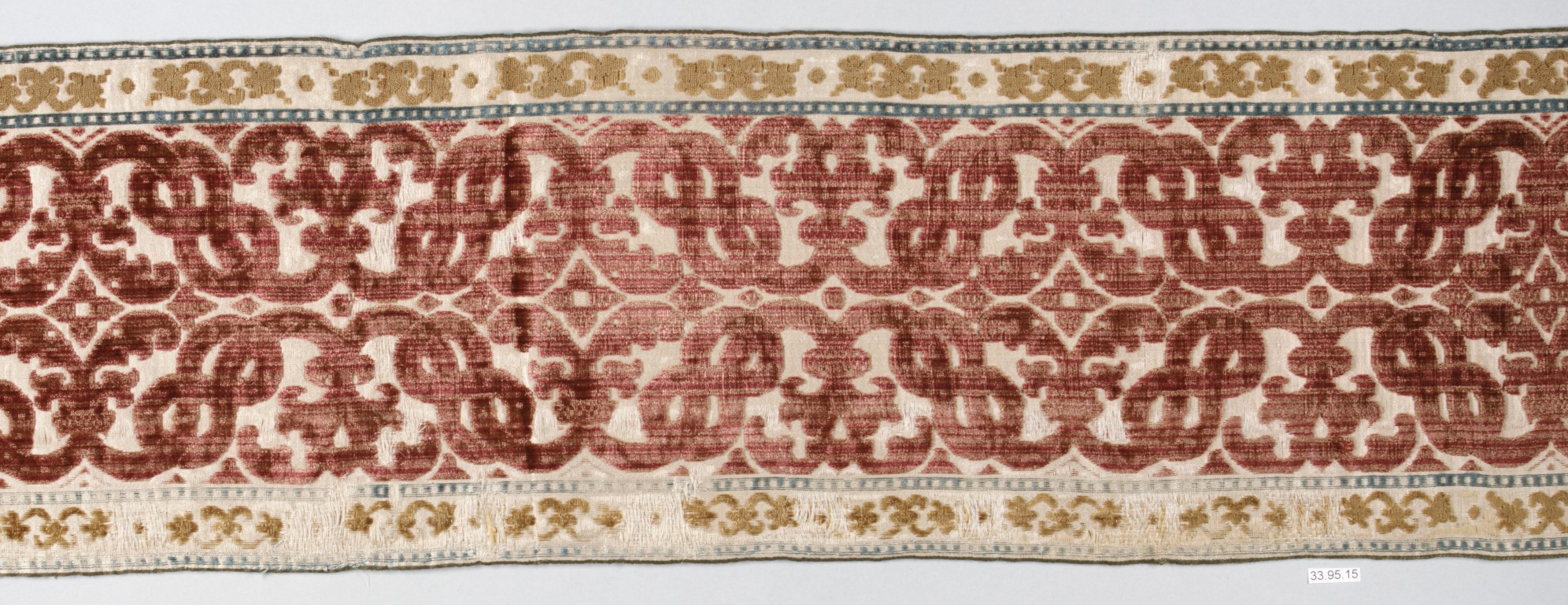
The Border: A Couture Analysis of Katherine Fashion Lab’s Silk Collection
In the rarefied world of haute couture, the concept of the “border” often evokes notions of limitation, demarcation, or transition. Yet, in Katherine Fashion Lab’s latest standalone study, the border is reimagined not as a boundary but as a dynamic, integrative force—a nexus where global heritage meets material mastery. This analysis deconstructs the collection’s intellectual and aesthetic architecture, focusing on its use of silk as a medium to traverse physical, cultural, and temporal borders. The result is a sophisticated dialogue between tradition and innovation, where each garment becomes a cartographic document of human connectivity.
Deconstructing the Border: From Limitation to Liberation
The border as a conceptual framework in couture is often misunderstood. Historically, borders in fashion have been literal—hemlines, seams, and trims that define the garment’s silhouette. Katherine Fashion Lab subverts this by treating the border as a philosophical premise. The collection’s title, “Border,” is deliberately ambiguous, inviting the wearer to consider how boundaries are both constructed and transcended. The designer’s approach is rooted in post-structuralist thought, where borders are not fixed but fluid, permeable, and subject to reinterpretation. This is evident in the garments’ construction: seams are intentionally exposed, not as a sign of unfinished work, but as a celebration of the meeting point between different fabrics, techniques, and cultural references. The border becomes a site of creative friction, where the global and the local, the ancient and the contemporary, collide and coalesce.
For instance, a floor-length evening gown features a dramatic, asymmetrical hem that appears to dissolve into a cascade of silk fringe. This is not a random design choice; it is a deliberate deconstruction of the traditional border between garment and space. The fringe, dyed in gradients of deep indigo and ochre, references the borderlands of the Silk Road, where textiles were not merely commodities but carriers of stories. The garment’s structure, with its exposed seams and raw edges, challenges the notion of a finished, closed form. Instead, it invites the viewer to consider the border as a threshold—a place of potential, not closure.
Silk as a Conduit of Global Heritage
Silk is the collection’s primary material, and its selection is no accident. As a fabric, silk has historically traversed borders—from ancient China to the Roman Empire, across the Indian subcontinent, and into the courts of Europe. Katherine Fashion Lab leverages this heritage by sourcing silk from multiple regions: mulberry silk from China, Tussar silk from India, and Eri silk from Assam. Each variant contributes a unique texture and sheen, reflecting the diverse ecosystems and artisanal traditions from which they originate. The lab’s commitment to ethical sourcing ensures that these materials are not merely exotic signifiers but are integrated with respect for their cultural and environmental contexts.
One standout piece is a tailored jacket constructed from hand-woven Tussar silk, its raw, nubby texture juxtaposed against a lining of smooth, machine-woven mulberry silk. The contrast is intentional: the outer layer speaks to the rugged, organic beauty of Indian handloom, while the inner lining evokes the refined elegance of Chinese sericulture. The jacket’s silhouette is minimal—a sharp, structured shoulder that tapers to a nipped waist—but the fabric’s narrative depth transforms it into a wearable artifact. The border between the two silks is emphasized by a thin strip of unbleached cotton, a nod to the humble origins of textile production. This detail is not decorative; it is a reminder that every garment exists at the intersection of multiple histories.
Techniques of Transgression: Embroidery and Draping
The collection’s technical execution is a masterclass in couture craftsmanship. Katherine Fashion Lab employs a range of techniques that blur the borders between different textile traditions. Embroidery, for instance, is used not as mere ornamentation but as a means of mapping cultural exchanges. A dramatic cape, made from double-faced silk satin, features an intricate pattern of interlocking geometric motifs. The design is inspired by the border patterns found in Persian carpets, yet the execution uses a combination of French Luneville crochet and Indian Zardozi work. The result is a hybrid aesthetic that neither mimics nor appropriates but synthesizes. The border between the two techniques is invisible; they coexist in a seamless dialogue, much like the cultures they represent.
Draping, another hallmark of the collection, is used to explore the border between structure and fluidity. A bias-cut gown in liquid silk charmeuse appears to flow like water, yet its construction is anchored by a series of internal seams that create subtle, architectural folds. The garment’s hemline is deliberately uneven, dipping lower in the back to suggest a trail of movement. This asymmetry challenges the conventional border of the gown’s silhouette, making it appear both anchored and ethereal. The designer’s choice to leave the silk unlined further emphasizes the material’s transparency—a metaphor for the permeability of borders themselves.
Color and Symbolism: A Palette of Transition
Color in this collection is not merely aesthetic; it is symbolic of borderlands. The palette is dominated by earthy tones—terracotta, ochre, and deep rust—punctuated by accents of indigo and ivory. These hues are drawn from the natural dyes used in traditional textile production along the Silk Road. The terracotta references the clay soils of Central Asia, while the indigo evokes the deep blue of the Mediterranean. The ivory, used sparingly, suggests the blank spaces on a map—the unknown territories that borders both separate and connect.
A particularly striking ensemble is a two-piece set consisting of a cropped top and a full skirt, both in hand-dyed silk organza. The top features a gradient from terracotta to deep burgundy, while the skirt transitions from burgundy to indigo. The border between the two colors is not sharp but blurred, achieved through a technique of resist-dyeing that creates a soft, watercolor effect. This gradient is a visual metaphor for the fluidity of borders—how they can be both distinct and permeable. The garment’s construction, with its exposed seams and raw edges, reinforces this theme. The border is not a line but a zone of transition.
Contextualizing the Standalone Study
This collection is positioned as a standalone study, a deliberate departure from the seasonal cycles of the fashion industry. Katherine Fashion Lab frames it as an intellectual inquiry rather than a commercial offering. This context allows the designer to prioritize concept over marketability, resulting in garments that are as much about ideas as they are about form. The study is accompanied by a series of annotated sketches and textile samples, which are displayed in a gallery-like setting. This curatorial approach invites the audience to engage with the collection as a work of art, where each piece is a chapter in a larger narrative about global heritage and material culture.
In conclusion, Katherine Fashion Lab’s “Border” collection is a profound meditation on the nature of boundaries—how they are constructed, contested, and ultimately transcended. Through the medium of silk, sourced from diverse global traditions, the lab creates garments that are both deeply rooted in heritage and boldly forward-looking. The collection challenges the notion of borders as fixed lines, instead presenting them as dynamic spaces of exchange and transformation. For the discerning connoisseur, this is not just couture; it is a cartography of the human experience, stitched in silk and imbued with meaning.