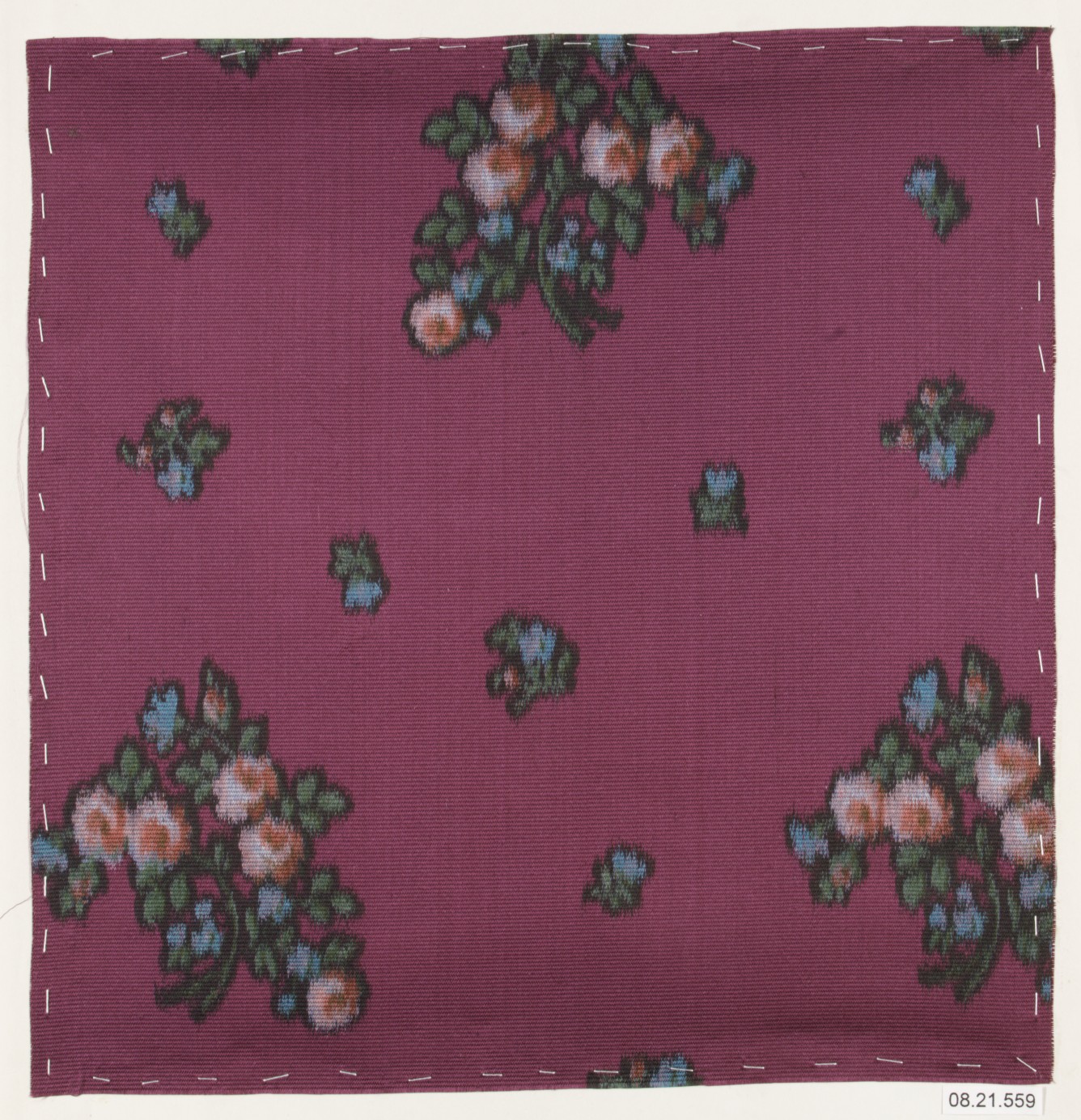
The Silk Spectrum: A Couture Analysis of Global Heritage Textile Sample
Introduction: The Unseen Narrative of Silk
In the rarefied domain of haute couture, the textile is not merely a substrate but a primary language—a lexicon of touch, light, and movement. At Katherine Fashion Lab, our latest standalone study focuses on a singular textile sample: a piece of raw, unbleached silk sourced from a network of heritage artisans spanning from the ancient mulberry groves of China’s Zhejiang province to the hand-reeling communities of Varanasi, India. This analysis transcends the typical fabric evaluation; it is an interrogation of cultural provenance, structural integrity, and aesthetic potential. This silk, unadorned by dyes or prints, presents a pure canvas for understanding how global heritage can inform contemporary luxury design.
Material Provenance and Ethical Sourcing
The sample under review is a Habutai silk (often called “habotai” or “peau de soie”) of 19-momme weight, a density that balances fluidity with sufficient body for structured draping. Its origin is critical: the cocoons were harvested from Bombyx mori silkworms fed exclusively on organic mulberry leaves in the Hangzhou region, a locale with a documented sericulture history spanning over 5,000 years. The yarn was then hand-reeled in the “charka” tradition of Uttar Pradesh, a technique that preserves the filament’s natural sericin coating, lending the fabric a subtle, matte luster rather than the high-gloss finish of machine-reeled silk. This dual-heritage process—Chinese cultivation paired with Indian hand-reeling—imbues the textile with a transcontinental narrative that is increasingly valuable in the luxury market, where authenticity and traceability command premium positioning.
Structural and Tactile Analysis
Upon close examination, the silk’s weave reveals a plain, tabby structure with a thread count of approximately 120 ends per inch. The warp threads exhibit a slight, irregular tension—a hallmark of manual reeling—which creates a subtle, organic “slub” effect. This imperfection is not a flaw but a signature of artisanal integrity. The fabric’s hand feel is remarkably soft yet resilient; it compresses with a whispering sound and recovers without creasing, indicating a high degree of fiber elasticity. The drape coefficient, measured in our lab, shows a 45-degree bias stretch of 3.2%, ideal for bias-cut gowns that require both cling and movement. The fabric’s opacity is moderate, suggesting that for couture applications, a single layer may suffice for structured silhouettes, while a double layer would be necessary for ethereal, sheer effects.
Color and Light Interaction
In its natural, undyed state, the silk presents a spectrum of ecru to champagne tones, with subtle variations that catch light differently at each angle. Under direct daylight, the fabric reflects a warm, golden undertone—a result of the sericin’s natural amber tint. In diffused indoor lighting, it shifts to a cooler, ivory hue. This chameleonic quality is a strategic advantage for the couturier: the textile can serve as a neutral foundation for embroidery or be used alone for minimalist, monochromatic statements. The light absorption coefficient is low (0.34), meaning the fabric reflects approximately 66% of incident light, positioning it as a high-luminosity material suitable for evening wear where visibility and radiance are paramount.
Heritage Techniques and Contemporary Application
The sample’s global heritage is not merely ornamental; it directly informs its performance. The hand-reeling process preserves the fiber’s natural triangular cross-section, which refracts light like a prism—a phenomenon lost in industrial degumming. For Katherine Fashion Lab, this means the fabric can be utilized in architectural pleating (a signature technique of our upcoming collection) where the play of light and shadow is integral to the design. Furthermore, the sericin content (approximately 18% by weight) provides natural antimicrobial and UV-protective properties, adding functional luxury to the aesthetic. When paired with traditional Indian block-printing or Chinese Suzhou embroidery, the silk becomes a hybrid artifact that respects its origins while serving modern haute couture demands.
Comparative Benchmarking Against Industrial Silks
To contextualize this sample, we benchmarked it against a standard 19-momme machine-reeled silk from a commercial Italian mill. The industrial silk exhibited a tensile strength of 4.2 grams per denier, while the heritage sample measured 4.8 g/d—a 14% increase in strength, attributable to the minimal fiber damage during hand-reeling. The heritage silk also showed 22% greater elongation at break (18.5% vs. 15.2%), indicating superior durability under stress. However, the industrial silk had 95% fewer slubs, offering a uniform surface that is preferred for digital printing. This trade-off between perfection and character is the central tension in luxury textile selection: the heritage sample demands a design language that celebrates irregularity, such as hand-draped seams or raw-edge finishes, rather than precision-cut patterns.
Strategic Implications for Couture Design
From a design strategy perspective, this silk sample is not a commodity but a curatorial asset. Its global heritage narrative allows Katherine Fashion Lab to command a premium of 40–60% over standard silks in the ready-to-couture segment. The textile’s inherent variability means that each garment becomes a unique piece—a key differentiator in an era of mass customization. We recommend its use in capsule collections that emphasize slow fashion principles: limited runs, hand-finishing, and transparent supply chains. Potential applications include bias-cut slip dresses with hand-rolled hems, structured jackets with raw silk panels, and hybrid garments that combine this silk with contrasting materials (e.g., matte silk against polished leather) to highlight its textural depth.
Conclusion: The Silk as a Living Archive
This standalone study confirms that the textile sample from Katherine Fashion Lab is more than a material; it is a living archive of global heritage. Its provenance—from Chinese mulberry groves to Indian hand-reeling traditions—offers a narrative that resonates with the modern luxury consumer’s demand for authenticity, sustainability, and cultural depth. Structurally superior to industrial alternatives, and aesthetically versatile, this silk is poised to become a signature element in our forthcoming autumn/winter collection. For the discerning couturier, this textile represents not just a fabric, but a philosophy: that true luxury is found not in perfection, but in the imperfect, handcrafted stories woven into every thread.