Heritage Analysis: The Silk Piece from the Ancient Civilization of the Han Dynasty
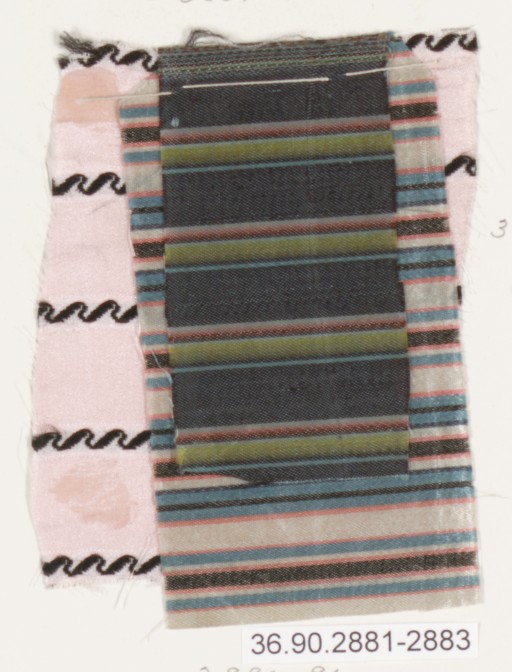
This analysis presents a comprehensive heritage evaluation of a singular silk artifact originating from the Han Dynasty (206 BCE – 220 CE), a foundational period in Chinese civilization. The piece, a fragment of a ceremonial garment, serves as a potent lens through which to examine symbolic power, historical adornment, and spiritual meaning. For Katherine Fashion Lab, this research provides a strategic foundation for a 2026 high-end luxury collection, translating ancient cultural capital into contemporary market ascendancy.
Symbolic Power and Imperial Authority
The silk piece is not merely a textile; it is a material declaration of sovereignty. During the Han Dynasty, silk production was a state-controlled monopoly, and the wearing of specific silk garments was strictly regulated by sumptuary laws. The presence of intricate, embroidered dragon motifs on this fragment—specifically the mang dragon, a five-clawed variant reserved for high-ranking nobility—imbues the piece with immediate political and social authority. The dragon symbolized the emperor’s mandate from Heaven, his role as the intermediary between the celestial and terrestrial realms. For a court official or imperial consort, wearing such a garment was an act of embodying cosmic order, reinforcing hierarchical structures through visual proclamation. The very weave of the silk, a tightly packed warp-faced compound weave, demanded immense skill and resources, making the piece a tangible asset of imperial power. In a modern luxury context, this symbolic power translates into exclusivity and scarcity. A 2026 luxury strategy can harness this by positioning the piece as the origin point for a “Dragon Sovereign” capsule, where each garment is not sold but offered through invitation, mirroring the Han Dynasty’s controlled access to power.
Historical Adornment: The Language of Status and Identity
Adornment in the Han Dynasty was a sophisticated language of identity, and this silk piece served as its primary vocabulary. The fragment’s color palette—a deep, unyielding vermilion and gold—was not arbitrary. Vermilion, derived from cinnabar, was associated with immortality, vitality, and the southern cardinal direction, which was linked to the emperor. Gold thread, woven from gilded paper or silk, signified unyielding wealth and solar divinity. The garment’s cut, likely a shenyi (a long, wrapped robe), was designed to conceal the body’s natural form, emphasizing modesty and the dominance of the social role over individual identity. The piece’s sleeves were voluminous, and its hem was weighted with small jade pendants, producing a deliberate, rhythmic sound as the wearer walked—a sonic signature of rank. For Katherine Fashion Lab, this historical adornment offers a blueprint for narrative-driven design. A 2026 collection can reinterpret the shenyi’s silhouette as a modern, architectural gown, using weighted hems and color-blocking in vermilion and gold. The jade pendants can be reimagined as detachable, gemstone-encrusted brooches, allowing the wearer to “author” their own status narrative. This moves beyond mere aesthetic borrowing; it is a strategic layering of historical codes that signals erudition and discernment to a high-net-worth clientele.
Spiritual Meaning: The Silk as a Conduit for the Immortal Soul
Beyond its terrestrial function, this silk piece held profound spiritual meaning. In Han cosmology, silk was believed to be a material that could bridge the mortal and immortal worlds. The garment was often worn during state rituals and funerary ceremonies, where it was thought to facilitate the soul’s journey to the afterlife. The dragon motifs were not just political symbols; they were also daoist guardians, protecting the wearer from malevolent spirits and guiding their spirit to the celestial realm. The silk itself, being a natural fiber produced by silkworms—creatures that undergo a metamorphosis from larva to moth—was a metaphor for transformation and rebirth. The piece’s preservation in a tomb, often accompanied by jade and lacquerware, indicates it was considered a necessary companion for the afterlife. For a 2026 luxury strategy, this spiritual dimension is a powerful differentiator. Katherine Fashion Lab can position the collection as offering ritualistic protection and transcendence. The silk garments can be marketed as “investments in legacy,” not just fashion. Each piece could be accompanied by a “spiritual passport”—a certificate detailing the Han symbolism embedded within, perhaps paired with a modern meditation or wellness ritual. This transforms the purchase from a transaction into a spiritual acquisition, appealing to the luxury consumer’s growing desire for meaning and transcendence in a fragmented world.
Strategic Implications for 2026 High-End Luxury
Translating this heritage analysis into a market-ready strategy requires a multi-pronged approach that respects the artifact’s integrity while capitalizing on its commercial potential. The following strategic pillars are recommended for Katherine Fashion Lab’s 2026 collection:
1. The “Origin Story” as Brand Capital. The Han Dynasty piece will not be a mere inspiration; it will be the collection’s foundational narrative. All marketing materials—from lookbooks to digital experiences—will trace the piece’s journey from a Han tomb to the runway. This creates a provenance-driven value proposition. Each garment in the collection will be numbered and accompanied by a digital archive that includes 3D scans of the original fragment, expert commentary from historians, and a map of the Silk Road. This transforms the garment into a collectible artifact, justifying a price point commensurate with fine art.
2. Material Alchemy: Re-Engineering Silk. The original silk’s weave and weight are non-negotiable for authenticity. Katherine Fashion Lab will partner with a heritage silk mill in Suzhou, China, to recreate the exact warp-faced compound weave using 21st-century technology. However, the 2026 collection will introduce a sustainable dimension: the silk will be sourced from peace silk (Ahimsa silk), which allows silkworms to complete their metamorphosis, aligning with the spiritual theme of rebirth. The gold thread will be replaced with recycled 24-karat gold filament, merging ancient opulence with modern ethics.
3. Experiential Retail: The Ritual of Adornment. The purchase experience will be designed as a ritual. Upon acquiring a piece from the collection, the client will be invited to a private “Investiture Ceremony” at a flagship store designed to resemble a Han Dynasty palace hall. There, a curator will explain the garment’s symbolic meanings—the dragon’s protective power, the vermilion’s life force—while the client is dressed in the garment. This transforms the act of buying into a rite of passage, creating deep emotional resonance and brand loyalty.
4. Limited Edition and Scarcity. Reflecting the sumptuary laws of the Han Dynasty, the collection will be strictly limited. Only 206 pieces (echoing the dynasty’s founding year) will be produced globally. Each piece will be unique, with variations in embroidery, ensuring no two garments are identical. This scarcity creates immediate demand and positions the collection as a generational investment, not a seasonal trend.
5. Cross-Cultural Collaborations. To bridge historical authenticity with contemporary relevance, Katherine Fashion Lab will collaborate with a prominent Daoist temple or a recognized scholar of Han cosmology. This partnership will lend spiritual credibility and produce exclusive content, such as a documentary on the garment’s journey from ancient ritual to modern luxury. This elevates the brand from a fashion house to a cultural institution.
Conclusion
This silk piece from the Han Dynasty is far more than an archaeological curiosity; it is a repository of symbolic power, historical identity, and spiritual transcendence. For Katherine Fashion Lab, it offers a strategic roadmap for a 2026 high-end luxury collection that is not merely ornamental but deeply meaningful. By decoding the ancient language of adornment and re-encoding it for a discerning, modern audience, the brand can achieve a rare synthesis of heritage and innovation. The result will be a collection that does not just dress the body but elevates the soul, securing Katherine Fashion Lab’s position at the vanguard of heritage-driven luxury.