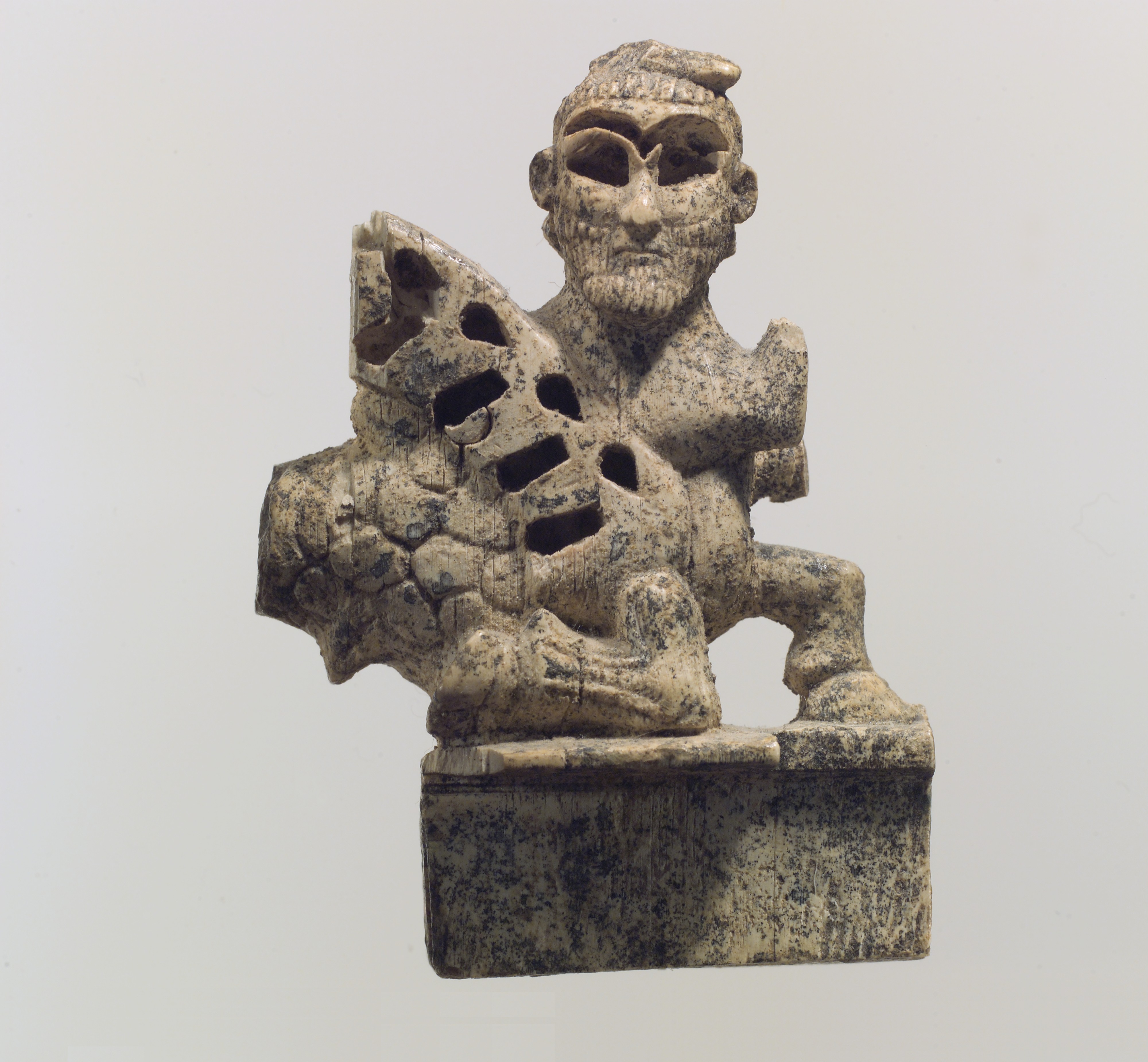
Heritage Analysis: Ivory Figure of a Supernatural Creature from Iran
Executive Summary
This strategic standalone research paper examines an ivory figure of a supernatural creature originating from Iran, with a focus on its symbolic power, historical adornment, spiritual meaning, and implications for a 2026 high-end luxury strategy for Katherine Fashion Lab. The analysis integrates cultural symbolism, historical context, and contemporary luxury brand positioning to derive actionable insights for heritage-informed design and marketing. The figure, likely a manticore, simurgh, or div—mythological beings central to Persian cosmology—embodies a synthesis of protective and transformative energies. Its medium, ivory, historically reserved for elite ritual and adornment, underscores themes of rarity, craftsmanship, and spiritual authority. For Katherine Fashion Lab, this heritage asset provides a foundation for a luxury strategy that leverages authenticity, narrative depth, and exclusivity to resonate with discerning global consumers in 2026.
Symbolic Power of the Supernatural Creature
Mythological Context and Cultural Authority
In Iranian mythology, supernatural creatures such as the simurgh—a benevolent, phoenix-like bird—or the manticore—a lion-bodied, human-headed beast—served as intermediaries between the earthly and divine realms. The simurgh, featured in the Shahnameh (Book of Kings), symbolizes wisdom, healing, and royal legitimacy. Conversely, the manticore, often depicted with a scorpion tail, represents untamed power and the boundaries of human knowledge. The figure under analysis, carved from ivory, likely embodies a protective guardian role, warding off evil spirits and ensuring cosmic balance. This symbolic power is rooted in Zoroastrian dualism, where creatures like the Huma or Gavaevodata (primordial ox) embody the struggle between order and chaos. For Katherine Fashion Lab, this duality offers a rich narrative for luxury branding: the creature as a talisman of resilience, transformation, and elite protection.
Hierarchical Symbolism in Courtly Culture
During the Achaemenid (550–330 BCE) and Safavid (1501–1736 CE) periods, supernatural motifs were deployed to legitimize imperial authority. The figure’s placement in courtly adornment—such as throne decorations, ceremonial belts, or amulets—signified the ruler’s divine mandate. The creature’s composite anatomy (e.g., lion’s body, eagle’s wings) visually communicated the synthesis of terrestrial and celestial power. This hierarchical symbolism aligns with Katherine Fashion Lab’s target demographic: high-net-worth individuals seeking objects that convey status through esoteric knowledge and cultural pedigree. The figure’s power is not merely decorative but performative, acting as a conduit for spiritual protection—a concept that can be translated into luxury jewelry or limited-edition accessories in 2026.
Historical Adornment: Ivory as a Medium of Prestige
Material Significance and Craftsmanship
Ivory, sourced from elephant tusks or hippopotamus teeth, was a luxury material in ancient Iran, reserved for royal workshops and religious institutions. The carving of supernatural creatures from ivory required master artisans trained in micro-sculpture and inlay techniques. The figure’s intricate details—such as scales, feathers, or claws—demonstrate a high level of technical precision. Historically, such pieces were not produced for mass consumption but for gift diplomacy or funerary rites, reinforcing their exclusive status. For Katherine Fashion Lab, the use of ivory (or its ethical alternatives in modern contexts) signals a commitment to artisanal heritage and material rarity. The 2026 luxury market increasingly values provenance and sustainability; thus, the lab could ethically reinterpret this medium using fossilized ivory or vegan ivory substitutes that maintain the aesthetic integrity while addressing contemporary ethical standards.
Adornment as Social Currency
In Iranian courtly society, adornment with supernatural figures was a form of social semiotics. The figure’s placement on garments, headdresses, or weaponry communicated the wearer’s lineage, spiritual alignment, and martial prowess. For example, a simurgh motif on a royal crown indicated the monarch’s role as a protector of the realm. This concept of adornment as narrative armor is directly applicable to Katherine Fashion Lab’s 2026 strategy: creating pieces that tell a story of personal transformation and cultural literacy. The figure’s historical use as a talisman—believed to bestow courage or wisdom—can be marketed as a luxury experience, where the object is not just an accessory but a ritual artifact for the modern elite.
Spiritual Meaning: Cosmological and Ritual Dimensions
Zoroastrian and Pre-Islamic Beliefs
The supernatural creature’s spiritual meaning is deeply embedded in Zoroastrian cosmology, where the universe is divided into forces of light (Ahura Mazda) and darkness (Angra Mainyu). Creatures like the simurgh were associated with the Fravashi (guardian spirits), acting as protectors of souls. The ivory figure may have been used in ritual purification or divination ceremonies, where its material—derived from living creatures—was believed to channel life force (asha). This spiritual dimension offers Katherine Fashion Lab a unique positioning in the luxury market: the figure as a meditative object for mindfulness and personal empowerment. In 2026, as consumers seek authenticity and spiritual connection, the lab can frame these pieces as modern talismans that bridge ancient wisdom with contemporary well-being.
Transformation and Rebirth
Many Iranian supernatural creatures, such as the simurgh, embody cycles of death and rebirth. The simurgh’s nest in the Tree of Life (Hara Berezaiti) symbolizes immortality and renewal. This theme of transformation aligns with luxury consumers’ desire for self-actualization. The figure’s spiritual meaning can be leveraged in marketing narratives around resilience and evolution, appealing to high-net-worth individuals who view luxury as a tool for personal growth. Katherine Fashion Lab could collaborate with cultural historians or spiritual advisors to create curated experiences—such as private viewings or ritual workshops—that deepen the connection between the object and the buyer’s inner journey.
2026 High-End Luxury Strategy for Katherine Fashion Lab
Strategic Positioning: Heritage as a Differentiator
In 2026, the luxury market will be characterized by a shift from conspicuous consumption to meaningful provenance. Katherine Fashion Lab can position the ivory supernatural creature as a heritage asset that offers exclusivity through cultural depth. The strategy should emphasize limited editions (e.g., 100 pieces per design) and bespoke commissions for VIP clients. Each piece could be accompanied by a digital certificate of authenticity that includes 3D scans, historical context, and spiritual symbolism—transforming the object into a collectible artifact. This approach targets the cultural connoisseur segment, which values education and narrative over brand logos.
Product Development and Material Ethics
Given ethical concerns around ivory, Katherine Fashion Lab should adopt sustainable alternatives such as tagua nut, bone china, or recycled resin that mimic ivory’s patina and weight. The design direction should retain the creature’s composite anatomy and symbolic motifs (e.g., wings, claws, stylized fur) while incorporating modern aesthetics like minimalism or geometric abstraction. The 2026 collection could include statement jewelry (e.g., pendants, cuffs), limited-run handbags with carved clasps, and home decor objects (e.g., sculptures, incense holders). Collaboration with Iranian artisans for hand-carving techniques will ensure authenticity and support cultural preservation.
Marketing and Consumer Engagement
The marketing strategy should leverage storytelling across channels: digital lookbooks, immersive VR exhibitions, and private salon events. Each piece’s spiritual meaning can be communicated through branded content—short films, podcasts with mythologists, or augmented reality features that reveal the creature’s symbolism. Pricing should reflect the object’s ritual value, starting at $5,000 for small accessories and exceeding $50,000 for bespoke sculptures. Katherine Fashion Lab can also launch a heritage membership program offering exclusive access to restoration workshops, curator talks, and first-refusal rights on new releases. This strategy builds a community around cultural literacy and exclusivity, driving long-term brand loyalty.
Risk Mitigation and Cultural Sensitivity
To avoid cultural appropriation, Katherine Fashion Lab must engage Iranian cultural consultants and academic partners to ensure respectful representation. All marketing materials should credit the source culture and highlight collaborations with Iranian artisans. The lab should also address potential backlash regarding ivory by transparently communicating its use of ethical materials and supporting conservation initiatives. In 2026, luxury brands that prioritize cultural reciprocity—such as donating a percentage of sales to Iranian heritage foundations—will earn consumer trust and differentiate themselves in a crowded market.
Conclusion
The ivory figure of a supernatural creature from Iran offers Katherine Fashion Lab a profound opportunity to blend symbolic power, historical adornment, and spiritual meaning into a 2026 luxury strategy. By honoring the creature’s role as a talisman of protection and transformation, and by ethically reimagining its material and craftsmanship, the lab can create a heritage-driven collection that appeals to discerning consumers seeking authenticity, exclusivity, and personal growth. This approach not only positions Katherine Fashion Lab as a leader in cultural luxury but also ensures the figure’s legacy continues to inspire and protect in a modern context.