The Art of Silence: A Couture Analysis of Katherine Fashion Lab’s Silk Masterpiece from Japan
Introduction: The Convergence of Heritage and Haute Couture
In the rarefied world of haute couture, few materials command the reverence of silk, and few origins carry the cultural gravitas of Japan. Katherine Fashion Lab’s latest standalone piece—a meticulously crafted silk garment sourced from Japan—represents a profound dialogue between ancient textile traditions and contemporary design philosophy. This analysis deconstructs the piece’s materiality, construction, and aesthetic narrative, revealing how the Lab elevates silk beyond mere fabric into a medium of cultural storytelling.
Material Provenance: The Silk of Kyōto
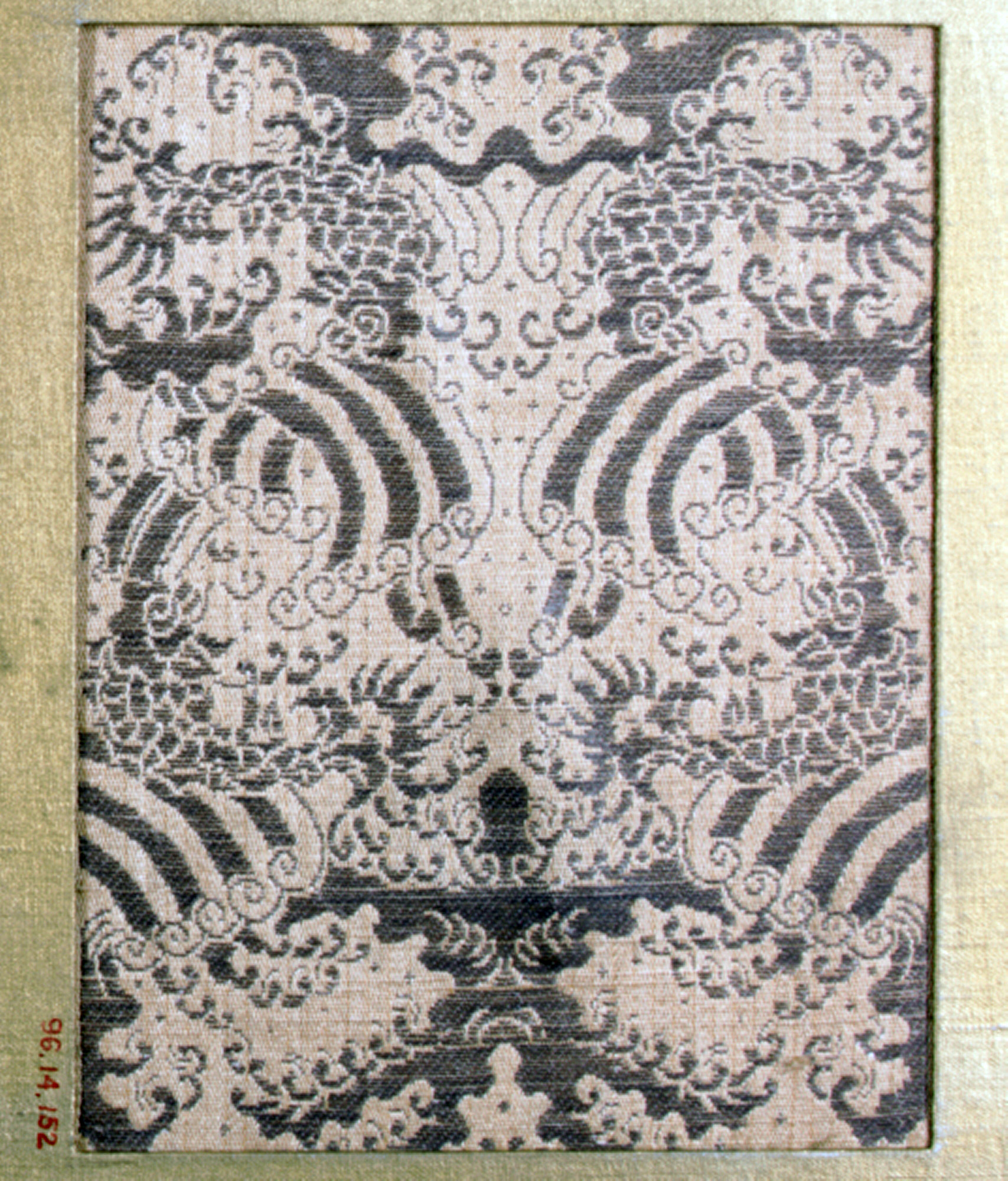
The piece’s foundation lies in its silk, sourced from the historic weaving districts of Kyōto, where sericulture has been perfected over centuries. The fabric is a habutae (sometimes called “habutai”)—a lightweight, plain-weave silk known for its soft, matte finish and exceptional drape. Unlike the glossy sheen of charmeuse, this silk whispers rather than shouts, its subtle luster catching light only when the wearer moves. This choice is deliberate: Katherine Fashion Lab eschews ostentation for an understated elegance that aligns with the Japanese aesthetic of wabi-sabi—the beauty found in imperfection and transience.
The dyeing process employs katazome, a traditional stencil-resist technique using natural indigo and persimmon tannin. The result is a gradient of muted blues, from deep navy at the hem to pale cerulean at the shoulders, evoking the gradient of a twilight sky over the Inland Sea. This chromatic modulation is not arbitrary; it mirrors the Japanese concept of shibui, where complexity emerges from simplicity. Each dye bath is applied by hand, ensuring that no two pieces are identical—a hallmark of couture exclusivity.
Structural Ingenuity: The Kimono-Inspired Silhouette
At first glance, the piece appears to be a modern reimagining of the kimono, but its construction subverts traditional expectations. The garment is cut from a single bolt of silk, with minimal seams—a technique borrowed from the tanmono tradition, where fabric is woven in narrow widths to avoid waste. However, Katherine Fashion Lab introduces a radical departure: the sleeves are detached, held in place by a series of hidden silk cords and magnetic closures. This allows the wearer to reconfigure the piece as a cape, a tunic, or a wrap dress, transforming a static garment into a modular system.
The absence of darts or structured panels is a deliberate challenge to Western tailoring norms. Instead, the piece relies on gravity and tension to create form. The silk’s weight—approximately 12 momme (a unit of silk density)—provides enough heft to fall in clean, vertical lines, yet remains fluid enough to gather at the waist when cinched with a kumihimo braided cord. This interplay between rigidity and flow is the piece’s architectural genius: it respects the body’s natural geometry without constricting it.
Embellishment as Narrative: The Embroidery of Wasuremono
Embellishment is minimal but potent. Along the back panel, a single line of nuido embroidery—a Japanese technique using flat silk thread—traces the spine. The motif is abstract: a series of interlocking circles that suggest ensō, the Zen symbol of enlightenment, emptiness, and the universe. Each circle is incomplete, a deliberate break in the thread that references kintsugi, the art of repairing broken pottery with gold lacquer. Here, the “flaw” becomes the focal point, a reminder that beauty is not pristine but resilient.
The thread itself is dyed with beni, a safflower pigment that fades from crimson to blush as it ages. This impermanence is a core element of the design: the piece is intended to evolve over time, its colors softening with wear and exposure. Katherine Fashion Lab thus positions the garment as a living artifact, not a static object—a radical departure from the preservationist ethos of most couture houses.
Cultural Context: The Philosophy of Ma
To fully appreciate this piece, one must understand the Japanese concept of ma—the intentional use of negative space. The garment’s silhouette is defined as much by what is absent as by what is present. The wide, open neckline and flowing hem create voids that allow the skin and the environment to become part of the composition. This is not a garment that asserts dominance; it invites interaction. The silk’s transparency at certain angles—achieved through a ro weave, where warp threads are spaced farther apart—adds a layer of vulnerability, a whisper of intimacy that is rare in couture.
This philosophical underpinning challenges the Western obsession with structure and permanence. In a market saturated with rigid shoulders and corseted waists, Katherine Fashion Lab offers a counter-narrative: clothing as a second skin, fluid and adaptive. The piece is a standalone study in how couture can embody Zen mindfulness, where the act of dressing becomes a meditative ritual rather than a performance.
Technical Execution: The Artisan’s Hand
Every stitch in this piece is executed by hand, using a sashiko running stitch—a utilitarian embroidery traditionally used to reinforce workwear. Here, it becomes a decorative element, with white thread contrasting against the indigo silk. The stitches are uneven, deliberately so, mimicking the irregular rhythm of a human heartbeat. This imperfection is a signature of the Lab’s ethos: they reject the sterile precision of machine-made couture in favor of the artisan’s hand, with all its quirks and idiosyncrasies.
The finishing details are equally painstaking. The hems are turned with a furoshiki knot, a traditional wrapping technique that requires no cutting or sewing. The internal seams are left raw, bound only with a thin strip of silk organza, allowing the fabric to breathe and move naturally. This approach reduces waste and honors the material’s integrity—a nod to the Japanese principle of mottainai, a regret for wastefulness.
Conclusion: A New Lexicon for Couture
Katherine Fashion Lab’s silk piece from Japan is not merely a garment; it is a thesis on the future of haute couture. By marrying Kyōto’s artisanal heritage with a modular, philosophical design, the Lab challenges the industry to reconsider what luxury means. Luxury here is not about excess or rarity; it is about intention—the intention behind every dye bath, every stitch, every empty space. This piece stands alone as a testament to the power of silence in an industry that often shouts. It whispers of tradition, breathes with innovation, and invites the wearer to become part of its ongoing narrative.
For the discerning collector, this is not a purchase but a collaboration—a dialogue with a culture, a material, and a vision that transcends fashion. Katherine Fashion Lab has, in this single piece, redefined the possibilities of silk, proving that the most profound statements are often made in the quietest tones.