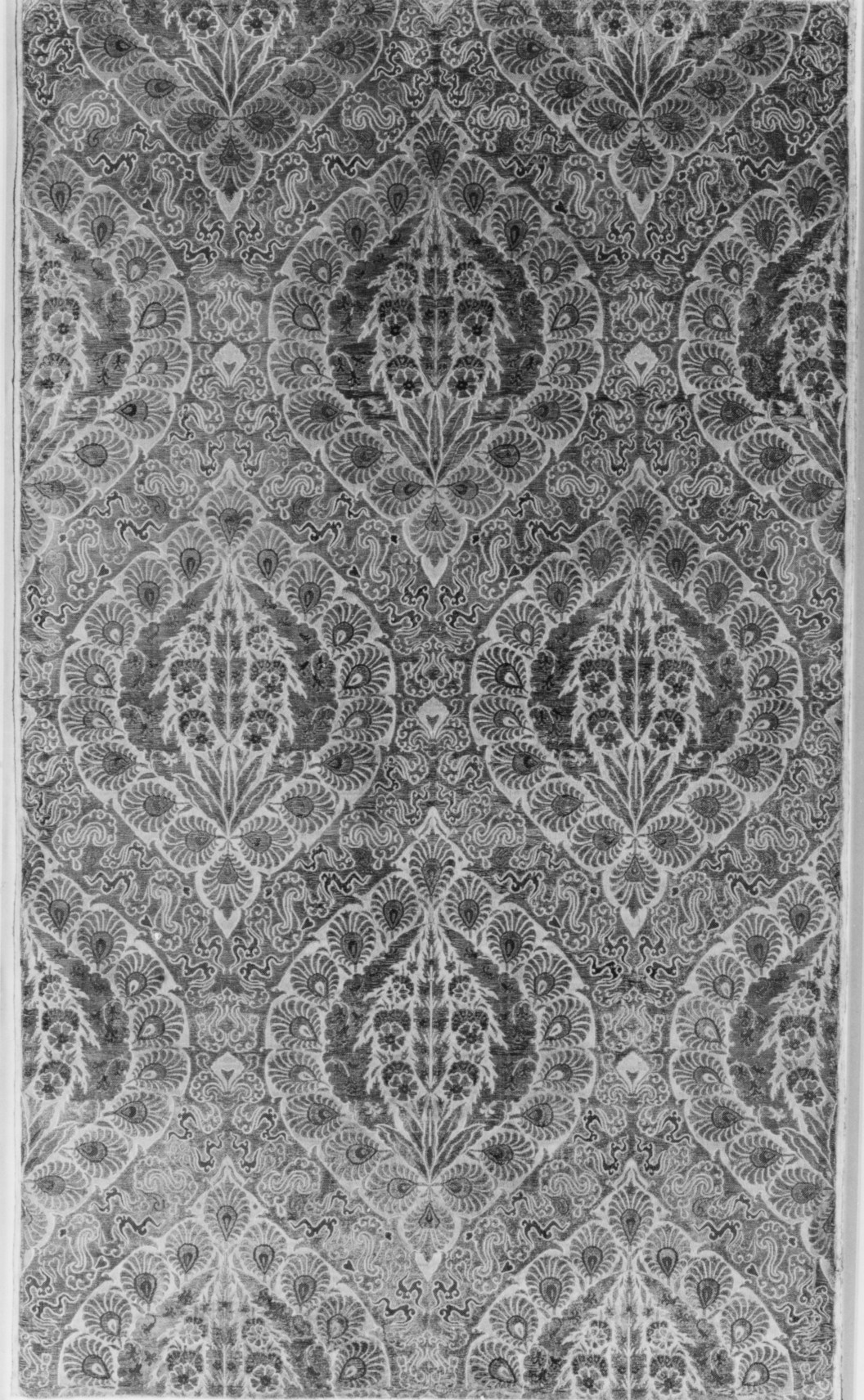
The Art of Brocade: A Couture Analysis by Katherine Fashion Lab
Defining Brocade: Weaving Heritage into the Fabric of Luxury
Brocade stands as one of the most revered textile techniques in the history of global fashion, a testament to human ingenuity and the pursuit of beauty. At Katherine Fashion Lab, we approach brocade not merely as a fabric but as a narrative medium—a confluence of cultural heritage, artisanal mastery, and material opulence. This standalone study delves into the structural and aesthetic complexities of brocade, focusing on its quintessential composition: silk and metal-wrapped thread. The term "brocaded" refers to a supplementary weft technique where patterns are raised, creating a sculptural, three-dimensional effect on the fabric’s surface. Unlike printed or embroidered textiles, brocade integrates its design into the weave itself, ensuring durability and a tactile richness that elevates it to the highest echelons of couture.
The origins of brocade are deeply rooted in global heritage, from the imperial courts of China’s Tang Dynasty to the Byzantine workshops of Constantinople, and later to the Renaissance looms of Venice and Florence. Each region infused brocade with its own symbolic lexicon: dragons and phoenixes in East Asia, religious iconography in the Middle East, and floral motifs in Europe. This cross-cultural lineage makes brocade a universal language of luxury, one that Katherine Fashion Lab honors by reinterpreting its legacy for the modern connoisseur. In this analysis, we explore how the interplay of silk’s luminous softness and metal-wrapped thread’s rigid shimmer creates a fabric that is both historically resonant and avant-garde in its application.
Material Alchemy: Silk and Metal-Wrapped Thread
The foundation of any brocade lies in its raw materials, and the pairing of silk with metal-wrapped thread is a masterclass in material alchemy. Silk, a natural protein fiber derived from silkworms, offers unparalleled drape, luster, and breathability. Its filamentous structure allows for fine, dense weaves that can support intricate patterns without losing fluidity. In brocade, silk serves as both the warp and the ground weft, providing a canvas that is supple yet resilient. The metal-wrapped thread, typically composed of a core of silk or cotton wrapped in thin strips of gold, silver, or copper, introduces a contrasting rigidity. This thread is not merely decorative; it is a structural element that creates the raised, brocaded motifs. The tension between silk’s softness and metal’s stiffness produces a fabric that is simultaneously delicate and commanding—a paradox that defines couture.
From a technical perspective, the brocading process requires a loom with multiple harnesses, allowing the weaver to lift specific warp threads and insert supplementary wefts. The metal-wrapped thread is introduced only in areas designated for the pattern, leaving the silk ground untouched. This selective addition creates a high-relief effect, with the metallic elements catching light at varying angles. Katherine Fashion Lab’s analysis highlights that the weight of the metal thread also influences the fabric’s fall; a heavier brocade may be ideal for structured gowns or outerwear, while a lighter version suits flowing silhouettes. The interplay of these materials demands precision: too much tension on the metal thread can cause breakage, while too little results in a loose, undefined pattern. This balance is a hallmark of artisanal expertise, one that mass production often fails to replicate.
Global Heritage: A Tapestry of Cultural Narratives
Brocade’s global heritage is not a monolith but a mosaic of regional expressions, each with distinct aesthetic and symbolic codes. In China, brocade—known as yunjin or "cloud brocade"—dates back over 1,500 years, with Nanjing emerging as a center for silk and gold-thread weaving. The patterns often feature auspicious symbols like the dragon (representing imperial power) and the phoenix (symbolizing rebirth), woven with gold threads that signify wealth and divinity. The Japanese nishiki brocade, influenced by Chinese techniques, evolved into a more subdued palette, using silver and copper threads for a refined, understated elegance. In contrast, Persian brocade from the Safavid era integrated intricate floral and geometric designs, reflecting Islamic art’s emphasis on aniconic decoration. The metal threads here were often gilded, creating a shimmering effect that evoked the gardens of paradise.
European brocade, particularly from Italy and France, reached its zenith during the Renaissance and Baroque periods. Venetian brocades, for instance, were renowned for their heavy use of gold and silver, often woven into large-scale patterns of pomegranates, acanthus leaves, and heraldic motifs. These fabrics were status symbols, worn by nobility and clergy to project authority and divine favor. The French brocart of the 18th century, produced in Lyon, introduced pastel silks with silver thread, aligning with the Rococo taste for lightness and ornament. Katherine Fashion Lab’s standalone study emphasizes that this global heritage is not static; it is a living archive that contemporary designers can draw upon. By understanding the cultural origins of brocade’s motifs—whether the Chinese dragon or the European fleur-de-lis—couturiers can weave narratives of identity and power into their collections.
Couture Application: Structural and Aesthetic Considerations
In the context of haute couture, brocade demands a holistic approach to garment construction. The fabric’s weight and stiffness influence silhouette, seam placement, and finishing techniques. Structural integrity is paramount: brocade’s raised patterns can create bulk at seams, requiring careful grading and the use of interlinings to maintain shape. Katherine Fashion Lab recommends using a silk organza underlining to support the metal threads without adding excessive weight. For tailored pieces, such as a bolero jacket or a fitted bodice, brocade’s rigidity can be an asset, holding structure without the need for boning. Conversely, for fluid designs like a bias-cut gown, the fabric must be selected with a looser weave and lighter metal thread to preserve movement.
Aesthetically, brocade’s metallic sheen requires strategic lighting considerations. A gown brocaded with gold thread will appear different under natural daylight versus stage lighting—a factor that runway presentations often exploit. The color palette also plays a crucial role: deep jewel tones like emerald, sapphire, and ruby enhance the metal’s glow, while neutral shades like ivory or champagne create a more subtle, antique effect. Katherine Fashion Lab’s analysis underscores that brocade is best used as a focal point, not an all-over texture. A single brocaded panel on a sleeve or a train can create a dramatic contrast against matte silk or velvet, drawing the eye to the intricate weave. This restraint aligns with couture’s philosophy of precision over excess.
Preservation and Modernity: The Future of Brocade in Fashion
As a standalone study, this analysis acknowledges the challenges and opportunities facing brocade in contemporary fashion. The labor-intensive nature of brocade weaving—often requiring weeks per meter—makes it a rare and costly material, accessible only to luxury houses and bespoke ateliers. However, this exclusivity is precisely its allure. Katherine Fashion Lab advocates for sustainable stewardship of brocade heritage, encouraging designers to source from ethical workshops that preserve traditional techniques, such as those in Varanasi, India, or Como, Italy. Modern innovations, like using recycled metal threads or biodegradable silk, can also align brocade with eco-conscious values without compromising its opulence.
In conclusion, brocade is more than a fabric; it is a dialogue between past and present, craft and commerce, culture and identity. For Katherine Fashion Lab, analyzing brocade through the lens of global heritage and material science reveals its enduring relevance. Whether adorning a royal coronation or a contemporary red carpet, brocade remains a symbol of human creativity—a woven testament to our desire to elevate the ordinary into the extraordinary. This study serves as a foundation for future explorations, inviting designers to reimagine brocade not as a relic, but as a living, evolving art form.