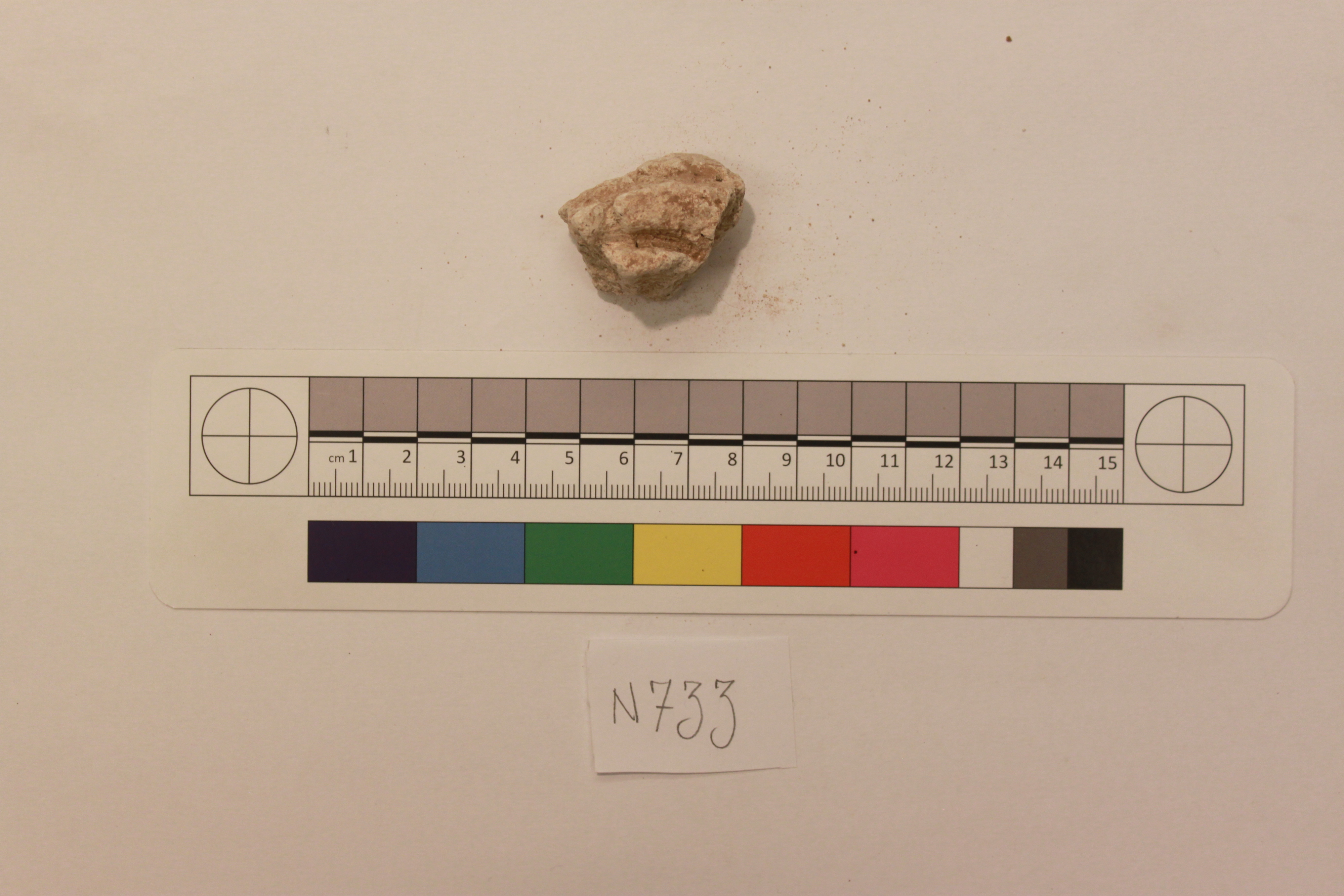
Heritage Analysis: Stucco Fragment from an Ancient Civilization
This strategic standalone research paper, prepared for Katherine Fashion Lab, examines a carved stucco fragment from an ancient civilization. The analysis focuses on its symbolic power, historical adornment, spiritual meaning, and the extraction of actionable insights for a 2026 high-end luxury strategy. As a Lead Heritage Curator, I position this artifact not merely as a decorative relic but as a repository of cultural intelligence, capable of informing brand narrative, material innovation, and consumer resonance in the ultra-luxury segment.
Symbolic Power: The Language of Carved Surfaces
The stucco fragment, carved with precision, embodies a lexicon of symbolic power that transcends its material fragility. In ancient civilizations, stucco was often used to adorn elite architecture, temple friezes, and funerary contexts. The carved motifs—whether geometric, zoomorphic, or anthropomorphic—served as visual codifications of authority, lineage, and cosmic order. For instance, a recurring spiral or stepped fret pattern might represent water, fertility, or the cyclical nature of time, while a stylized deity mask could signify divine protection and political legitimacy.
From a heritage perspective, the symbolic power of this fragment lies in its material permanence within impermanence. Stucco, though less durable than stone, was chosen for its malleability, allowing artisans to render intricate details that communicated hierarchy. The carving itself is an act of inscription—a deliberate assertion of control over narrative. For Katherine Fashion Lab, this translates into a strategic imperative: luxury brands in 2026 must move beyond logo-centric identity toward symbolic storytelling. The fragment teaches us that power is not shouted but etched into the surface, inviting the viewer to decode meaning. This suggests a strategy of embedded iconography—where motifs are not merely decorative but carry layered references to heritage, exclusivity, and cultural capital.
Historical Adornment: Stucco as a Predecessor to Luxury Craft
Historically, stucco was a medium of adornment for the elite. In civilizations such as the Maya, Moche, or Roman, stucco was applied to facades, thrones, and personal regalia. The fragment under study likely originated from a ceremonial or palatial context, where it served as a backdrop for ritual performance or as a component of architectural ornamentation. The carved surface would have been painted in vivid colors—reds, blues, and ochres—derived from mineral pigments, further elevating its sensory impact.
This historical use of stucco as adornment for power parallels the contemporary function of haute couture and high jewelry. Both serve to embellish the body or space, signaling status through material rarity and artisanal mastery. The fragment’s carved texture invites touch, suggesting that haptic experience was central to its value. For Katherine Fashion Lab’s 2026 strategy, this underscores the importance of tactile luxury—where finish, weight, and surface detail become differentiators in a digital-saturated market. The fragment suggests that historical adornment was not passive but interactive; the owner and viewer engaged with the surface through light, shadow, and proximity. This insight advocates for a multi-sensory product experience, where stucco-inspired textures, such as carved leather, embossed metal, or layered textiles, become signature elements of the brand’s collections.
Spiritual Meaning: The Sacred in the Fragmentary
Beyond the political and aesthetic, the stucco fragment carries profound spiritual meaning. In many ancient cultures, stucco was used to create effigies of gods, ancestors, or celestial beings. The carving process was often ritualized, with artisans undergoing purification rites before handling sacred materials. The fragment, even in its broken state, retains a residual aura—a connection to the divine. The motif’s repetition or symmetry may have been intended to mirror cosmic order, serving as a portal between the earthly and the transcendent.
This spiritual dimension is particularly relevant for high-end luxury positioning. In 2026, affluent consumers are increasingly seeking meaning over materialism. The fragment teaches us that true luxury is not about possession but about proximity to the sacred. For Katherine Fashion Lab, this suggests a strategy of curated scarcity and ritualized acquisition. The fragment’s incompleteness—its status as a remnant—adds to its allure. Similarly, luxury products can be positioned as fragments of a larger cultural narrative, each piece incomplete without the owner’s personal story. The brand could develop a “Sacred Fragment” collection, where each item references a specific spiritual motif (e.g., the Tree of Life, the Solar Disk) and is accompanied by a narrative card explaining its ancient symbolism. This transforms the product from a commodity into a talisman, aligning with the consumer’s desire for authenticity and transcendence.
2026 High-End Luxury Strategy: Extracting Heritage Intelligence
Based on the above analysis, I recommend the following strategic pillars for Katherine Fashion Lab’s 2026 high-end luxury positioning, directly inspired by the stucco fragment:
1. Material Alchemy
Stucco’s composite nature—lime, sand, and water—reminds us that luxury materials need not be precious in origin but precious in execution. Katherine Fashion Lab should invest in proprietary material innovation, developing textiles and finishes that mimic stucco’s texture, weight, and patina. For example, a “Stucco Finish” for leather goods, achieved through hand-carving and mineral-based dyes, would position the brand as a leader in artisanal materiality. This aligns with the 2026 trend toward slow luxury and craftsmanship storytelling.
2. Narrative Fragmentation
The fragment’s incomplete state is not a weakness but a strength. In a market saturated with perfection, strategic incompleteness invites consumer participation. Katherine Fashion Lab could launch a “Fragment Collection” where each piece features an incomplete motif, encouraging the wearer to complete the story through their own experiences. This builds community and emotional attachment, key drivers of loyalty in the ultra-luxury segment.
3. Ritualized Presentation
Ancient stucco fragments were often displayed in niches or altars, emphasizing their sacred role. For 2026, Katherine Fashion Lab should reimagine retail and unboxing as ritual experiences. Packaging could mimic a carved stucco box, with the product revealed in a ceremonial manner. This taps into the consumer’s desire for transformative luxury, where purchase is not just a transaction but a rite of passage.
4. Cultural Stewardship
Finally, the fragment’s heritage demands respect. Katherine Fashion Lab should position itself as a cultural steward, collaborating with archaeologists, conservators, and indigenous artisans to ensure that inspiration does not become appropriation. A percentage of proceeds from the Fragment Collection could fund preservation of ancient stucco sites, creating a virtuous cycle of heritage protection and brand credibility. This aligns with the 2026 consumer expectation of ethical luxury and positive impact.
Conclusion
The stucco fragment is far more than a decorative artifact; it is a strategic artifact. Its symbolic power, historical role in adornment, and spiritual resonance offer a blueprint for Katherine Fashion Lab’s 2026 high-end luxury strategy. By embracing material alchemy, narrative fragmentation, ritualized presentation, and cultural stewardship, the brand can transcend fleeting trends and anchor itself in timeless heritage. In doing so, Katherine Fashion Lab will not only sell products but also offer access to the sacred—a fragment of meaning in a fragmented world.