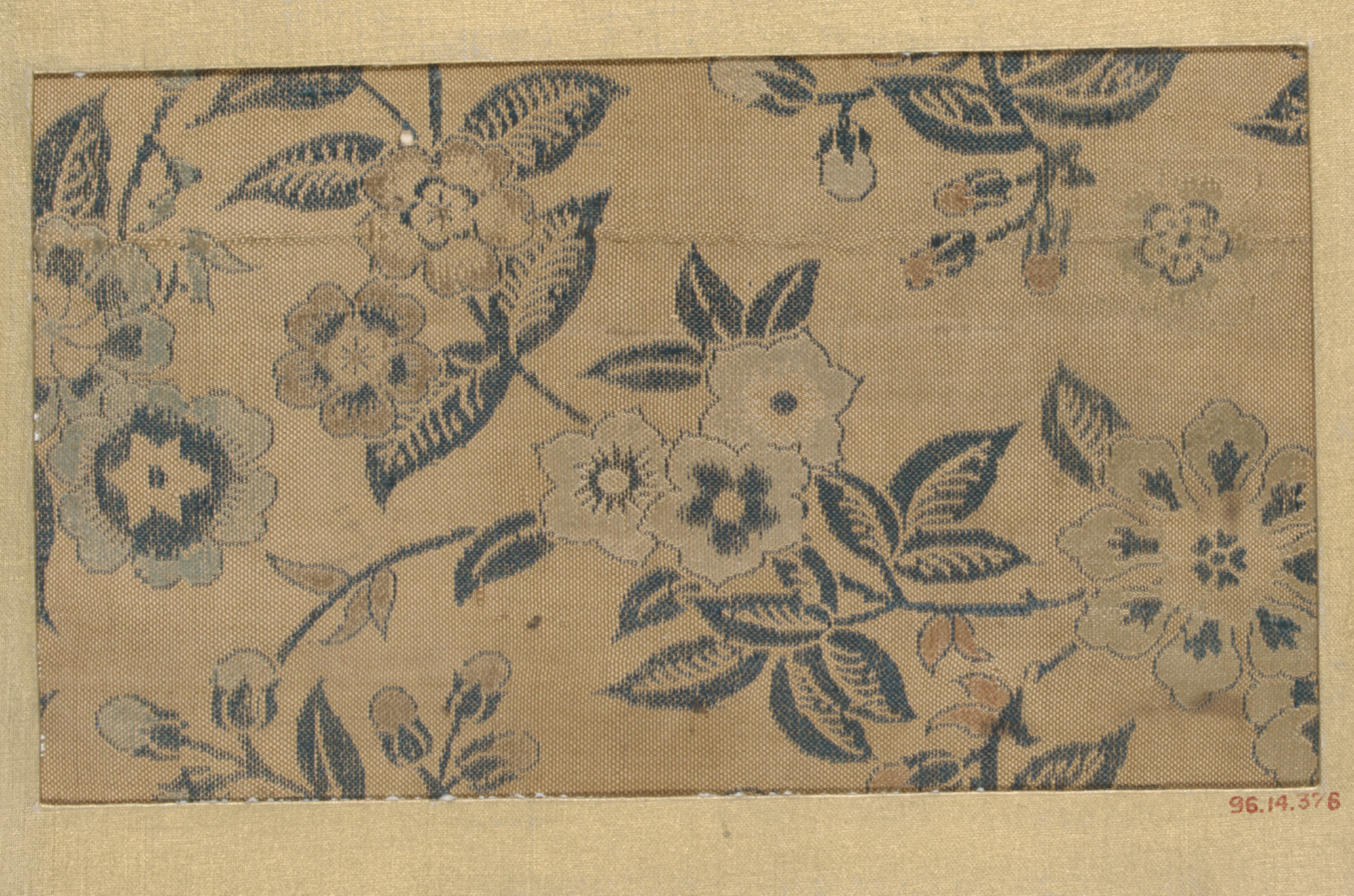
Strategic Heritage Analysis: The Japanese Silk Kimono as a Luxury Archetype
In the rarefied domain of high-end luxury, few artifacts possess the layered cultural gravity and aesthetic precision of the Japanese silk kimono. For Katherine Fashion Lab, this garment is not merely a textile artifact but a strategic blueprint for 2026 collections—a living repository of symbolic power, historical adornment, and spiritual meaning. This analysis deconstructs the kimono’s heritage assets to inform a luxury strategy that transcends mere appropriation, embracing instead a deep, respectful integration of its core principles.
Symbolic Power: The Grammar of Status and Transience
The kimono operates as a sophisticated semiotic system, where every element—from sleeve length to collar depth—communicates social standing, marital status, and occasion. The obi (sash), tied at the back for married women and front for courtesans, encodes a woman’s availability and role. The kamon (family crest), typically five in number, broadcasts lineage and clan affiliation with the precision of a corporate logo. For luxury strategy, this demonstrates that true exclusivity lies not in ostentation but in coded, insider knowledge. A 2026 Katherine Fashion Lab piece can adopt this principle by embedding subtle, culturally informed markers—such as a discreet, abstracted family crest motif on a silk evening coat—that reward connoisseurship without alienating the broader clientele.
Simultaneously, the kimono’s seasonal motifs—cherry blossoms for spring, chrysanthemums for autumn—embody the Japanese aesthetic of mono no aware, the poignant awareness of impermanence. This symbolic power elevates the garment from mere clothing to a philosophical statement. In luxury terms, this translates to a strategy of limited, time-sensitive releases that evoke a sense of fleeting beauty. A capsule collection, for instance, could feature hand-painted silk scarves with cherry blossoms that fade subtly after each wearing, creating an experiential narrative of transience that aligns with high-net-worth consumers’ desire for authenticity and emotional resonance.
Historical Adornment: The Art of the Unseen
The historical construction of the kimono reveals a counterintuitive luxury ethos: the most valuable elements are often invisible. The hakkake (lower lining) and eri (collar) are frequently made from exquisite, contrasting silks, intended only for the wearer’s private appreciation. This concept of omote-ura (front-back) aesthetics—where the hidden is as refined as the visible—offers a powerful strategic lesson. In the 2026 luxury market, where consumers are increasingly cynical about overt branding, Katherine Fashion Lab can deploy this principle by designing garments with secret interior details: a hand-embroidered crane on the inside of a silk jacket, or a hidden pocket lined with a rare, antique Kyoto obi fabric. These “discoveries” foster a personal, intimate relationship between the wearer and the piece, a hallmark of enduring luxury.
Moreover, the historical kimono was not tailored to the body but draped and adjusted via the obi, allowing for reuse across generations. This modularity is a precursor to contemporary sustainability. For a 2026 strategy, Katherine Fashion Lab could introduce a “kimono system”: a silk robe that can be worn as a coat, a dress, or a top, using interchangeable obi-inspired belts. This not only honors the garment’s historical flexibility but also addresses the modern luxury consumer’s demand for versatility and reduced environmental impact—a dual value proposition that commands premium pricing.
Spiritual Meaning: The Silk as Sacred Vessel
In Shinto and Buddhist traditions, silk is not merely a fabric but a conduit for spiritual energy. The process of creating a formal kimono—from silkworm cultivation to hand-dyeing with natural indigo or safflower—is a ritualistic act. The yūzen dyeing technique, where rice paste resists dye to create intricate patterns, is a meditative practice that infuses the garment with intention. For Katherine Fashion Lab, this spirituality can be strategically channeled into a “slow luxury” narrative. Each 2026 piece could be produced in limited quantities by master artisans in Kyoto, with a certificate detailing the dyer’s name, the source of the silk, and the specific spiritual symbolism of the motif—a dragon for protection, or a wave for resilience. This transforms the purchase into a form of patronage, aligning with the luxury consumer’s search for meaning beyond materialism.
The kimono’s role in rites of passage—coming-of-age ceremonies, weddings, funerals—further underscores its spiritual weight. A luxury strategy can mirror this by positioning Katherine Fashion Lab pieces as heirlooms for life milestones. A bespoke silk bridal kimono, for instance, could be designed with a removable inner layer that later serves as a christening gown or anniversary gift, thereby embedding the garment into the family’s spiritual timeline. This creates an emotional lock-in that mass-market brands cannot replicate.
2026 High-End Luxury Strategy: The Kimono as Strategic Archetype
Synthesizing these heritage insights, Katherine Fashion Lab’s 2026 strategy should pivot on three pillars: encoded exclusivity, modular heirloom design, and ritualized craftsmanship. The symbolic power of the kimono suggests a move away from logo-centric branding toward a “grammar of status” that rewards cultural literacy. The historical adornment of the hidden interior provides a blueprint for intimate luxury experiences, such as a private viewing room where clients can select interior linings from a curated archive of antique silks. The spiritual meaning elevates the brand from a fashion house to a custodian of cultural memory—a position that justifies five-figure price points and fosters fierce loyalty.
Critically, this strategy must avoid cultural voyeurism. Katherine Fashion Lab should collaborate with Japanese cultural institutions, such as the Kyoto Costume Institute, to ensure authenticity and to co-create narratives that respect the kimono’s sacred origins. The 2026 collection could be titled “The Unseen Thread,” explicitly referencing the omote-ura aesthetic, and launched with a documentary series on the artisans involved. This transparency builds trust and positions the brand as a thoughtful participant in cultural dialogue, not a superficial appropriator.
In conclusion, the Japanese silk kimono is not a trend to be copied but a strategic archetype. Its symbolic power, historical adornment, and spiritual meaning offer Katherine Fashion Lab a robust framework for 2026: a luxury that is coded, intimate, and transcendent. By weaving these principles into its DNA, the lab can create pieces that are not merely worn but inherited, contemplated, and revered—the ultimate ambition of any high-end heritage strategy.