The Art of Fringe: A Couture Analysis of Katherine Fashion Lab’s Global Heritage Collection
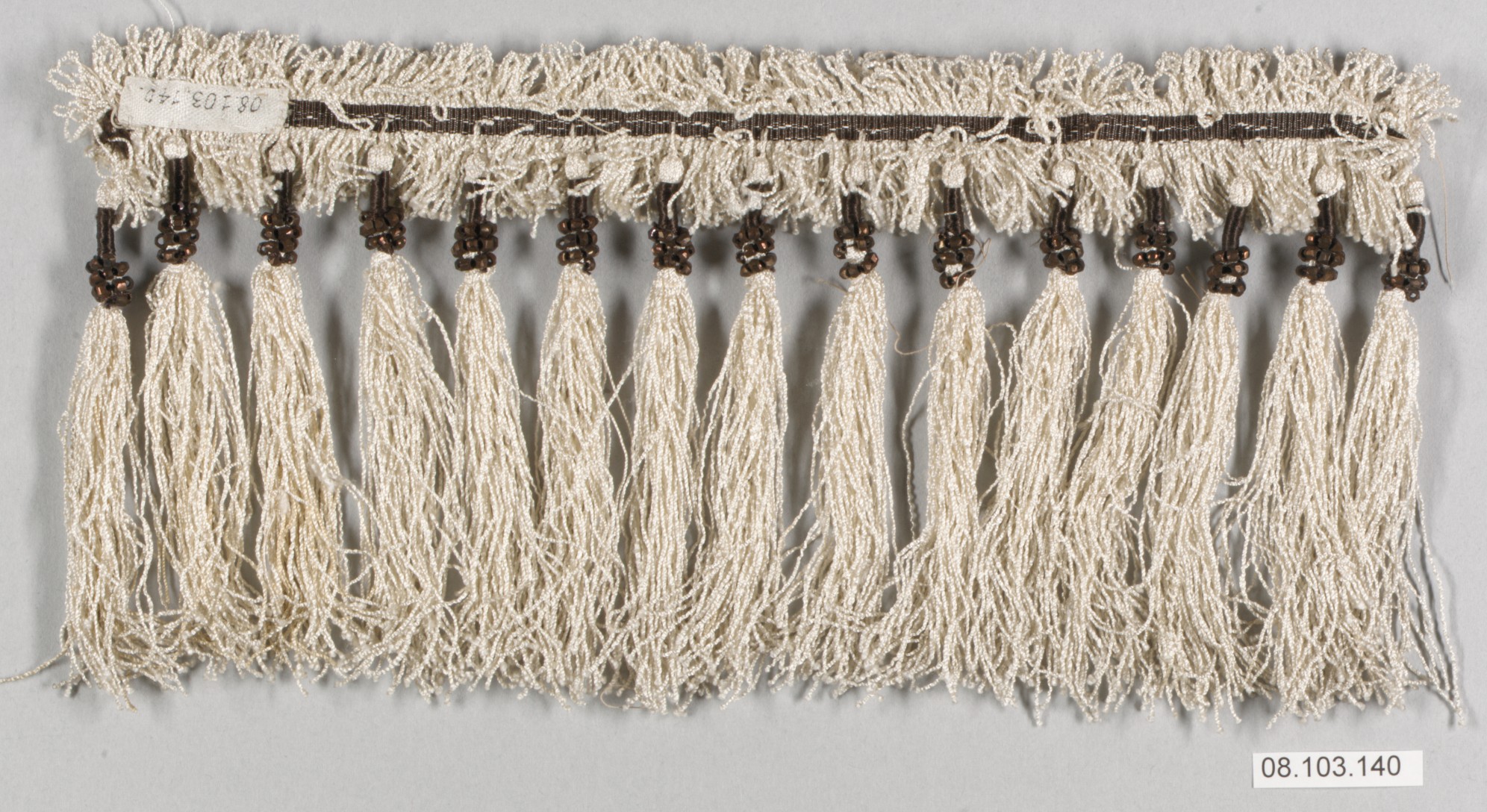
In the rarefied world of haute couture, where every stitch is a declaration of artistry and every silhouette a conversation with history, Katherine Fashion Lab has established itself as a vanguard of narrative-driven design. The subject of this standalone analysis—fringe—is not merely a decorative trim but a sophisticated language of motion, texture, and cultural resonance. For the Fall/Winter 2024 collection, the Lab has turned to global heritage as its muse, weaving together centuries of craft from disparate corners of the world. The chosen materials—silk and beads—elevate fringe from folkloric embellishment to a refined, architectural element. This analysis deconstructs how Katherine Fashion Lab reimagines fringe as a medium of couture storytelling, honoring ancestral techniques while propelling them into contemporary luxury.
Heritage as Design Imperative: The Global Roots of Fringe
Fringe, in its essence, is a universal artifact of human adornment. From the maasai shuka of East Africa to the mantas de lana of the Andes, and from the silk tassels of Imperial China to the soutache of Eastern European nobility, fringe has long signified status, spirituality, and identity. Katherine Fashion Lab’s research team traveled to archives in Marrakech, Oaxaca, and Kyoto to study indigenous fringe techniques, documenting how each culture manipulated thread and weight to create distinct visual rhythms. The Lab’s innovation lies not in appropriation but in translation—taking the structural logic of, say, a Peruvian chullo’s knotted fringe and reimagining it in a bias-cut silk gown. The result is a collection that feels both globally literate and intimately personal, a testament to the brand’s commitment to cultural fidelity without sacrificing modern wearability.
Material Alchemy: Silk and Beads in Dialogue
The choice of silk as the primary substrate is deliberate. Silk’s natural luster, fluid drape, and tensile strength make it an ideal canvas for fringe that must move with the body rather than against it. Katherine Fashion Lab sources habotai silk from a family-run mill in Como, Italy, prized for its weightless hand and ability to absorb dye without losing vibrancy. The silk is cut on the bias to allow the fringe—whether hand-knotted or machine-loomed—to cascade in undulating waves, mimicking the organic flow of water or wind. This is not static decoration; the fringe becomes an extension of the wearer’s kinetic presence.
Complementing the silk is an intricate network of beads, sourced from a cooperative in Rajasthan, India, where artisans have practiced glass-bead embroidery for over 500 years. The beads are not merely attached to the fringe but integrated into its very structure. Tiny Czech seed beads, each measuring less than two millimeters, are hand-sewn onto individual silk strands, creating a gradient of color and light. When the fringe moves, the beads catch the light in a choreographed shimmer—a subtle nod to the zardozi and kashidakari traditions of South Asia. The weight of the beads also imparts a gentle tension to the silk, ensuring the fringe falls in clean, disciplined lines rather than chaotic tangles. This marriage of materials—soft silk and hard glass—creates a tactile dialogue that is both luxurious and intellectually engaging.
Structural Innovation: Fringe as Architecture
In traditional couture, fringe is often applied as a border or afterthought. Katherine Fashion Lab upends this convention by making fringe the primary structural element. For the collection’s centerpiece—a floor-length gown titled “Nomad’s Requiem”—the fringe is not sewn onto the garment but woven directly into the fabric’s warp and weft. Using a modified jacquard loom, the Lab’s technical team created a double-faced textile where the front surface appears as a smooth, bead-encrusted silk, while the reverse releases thousands of individual silk-and-bead strands that form a second, fluid layer. This technique, which the Lab calls “integral fringe,” eliminates the need for hemming or finishing, allowing the fringe to exist as a natural extension of the fabric itself.
The construction is further refined through gradated fringe lengths. At the shoulders, the fringe is cropped to a mere two inches, creating a crisp, tailored edge. As the eye travels downward, the fringe lengthens progressively, reaching twelve inches at the hem. This graduated fall creates a visual echo of waterfall or weeping willow—a metaphor for the passage of time and the flow of cultural memory. The beads are clustered more densely at the longer strands, increasing the weight and ensuring the fringe swings in a controlled, rhythmic arc. The effect is architectural: the gown appears to be in constant, slow-motion motion, even when the wearer stands still.
Color Palette and Symbolism: A Global Chromatic Narrative
The color story of the collection is drawn from the natural dyes and pigments of the cultures that inspired it. A deep indigo from West African indigo vats anchors the collection, symbolizing both royalty and the spiritual journey. This is juxtaposed with a saffron yellow extracted from Moroccan saffron threads, representing enlightenment and hospitality. A muted terracotta, reminiscent of the adobe walls of the American Southwest, provides an earthy counterpoint. Each color is applied to the silk through a labor-intensive shibori-inspired resist technique, where the fabric is bound, twisted, and dyed multiple times to create subtle variations in saturation. The beads are then matched to these hues, with some strands featuring a micro-gradient of three to four shades, echoing the way light plays across a landscape.
The symbolic weight of these colors cannot be overstated. The indigo fringe, for instance, is used on a sleeveless sheath dress intended for evening wear—a piece that references the tuareg veil of the Sahara, where indigo is believed to protect the wearer from evil. The saffron fringe appears on a capelet, its cascading strands evoking the monastic robes of Theravada Buddhist monks. By embedding these cultural references, Katherine Fashion Lab transforms fringe into a visual lexicon, allowing the garment to communicate stories of trade, migration, and spirituality without a single word.
Wearability and the Modern Couture Client
Despite its intellectual depth, the collection is designed for the modern woman who demands both artistry and practicality. The fringe, while abundant, is engineered to avoid snagging or tangling. Each strand is treated with a micro-silicone finish that reduces static and allows the silk to slide against itself without friction. The bead attachments are reinforced with a double-knot technique, ensuring that even with vigorous movement, no bead detaches. The garments are also lined with a charmeuse silk that feels cool against the skin, making the pieces suitable for extended wear at galas or private dinners.
The Lab’s bespoke service allows clients to customize fringe length, bead density, and color palette, ensuring each piece is a unique artifact. This level of personalization is critical in the couture market, where clients seek not just a garment but a tangible connection to the craft and heritage behind it. Katherine Fashion Lab provides a dossier with each purchase, detailing the provenance of the silk, the region of the bead artisans, and the cultural inspiration for the fringe pattern. This transforms the garment into a collectible, a piece of global heritage preserved in silk and glass.
Conclusion: Fringe as a Couture Frontier
Katherine Fashion Lab’s standalone study of fringe is a masterclass in how couture can honor tradition while pushing the boundaries of material and form. By grounding the collection in global heritage, the Lab avoids the pitfalls of superficial trend-following, instead offering a deep, researched dialogue with the past. The use of silk and beads as a unified system—rather than separate embellishments—creates a new grammar of movement, one where fringe is not merely seen but felt. In an era where fashion often sacrifices meaning for speed, this collection stands as a reminder that true luxury is slow, intentional, and deeply rooted in the stories we choose to wear. For the discerning client, a Katherine Fashion Lab fringe piece is not just a garment; it is a testament to the enduring power of human connection, woven strand by strand across continents and centuries.