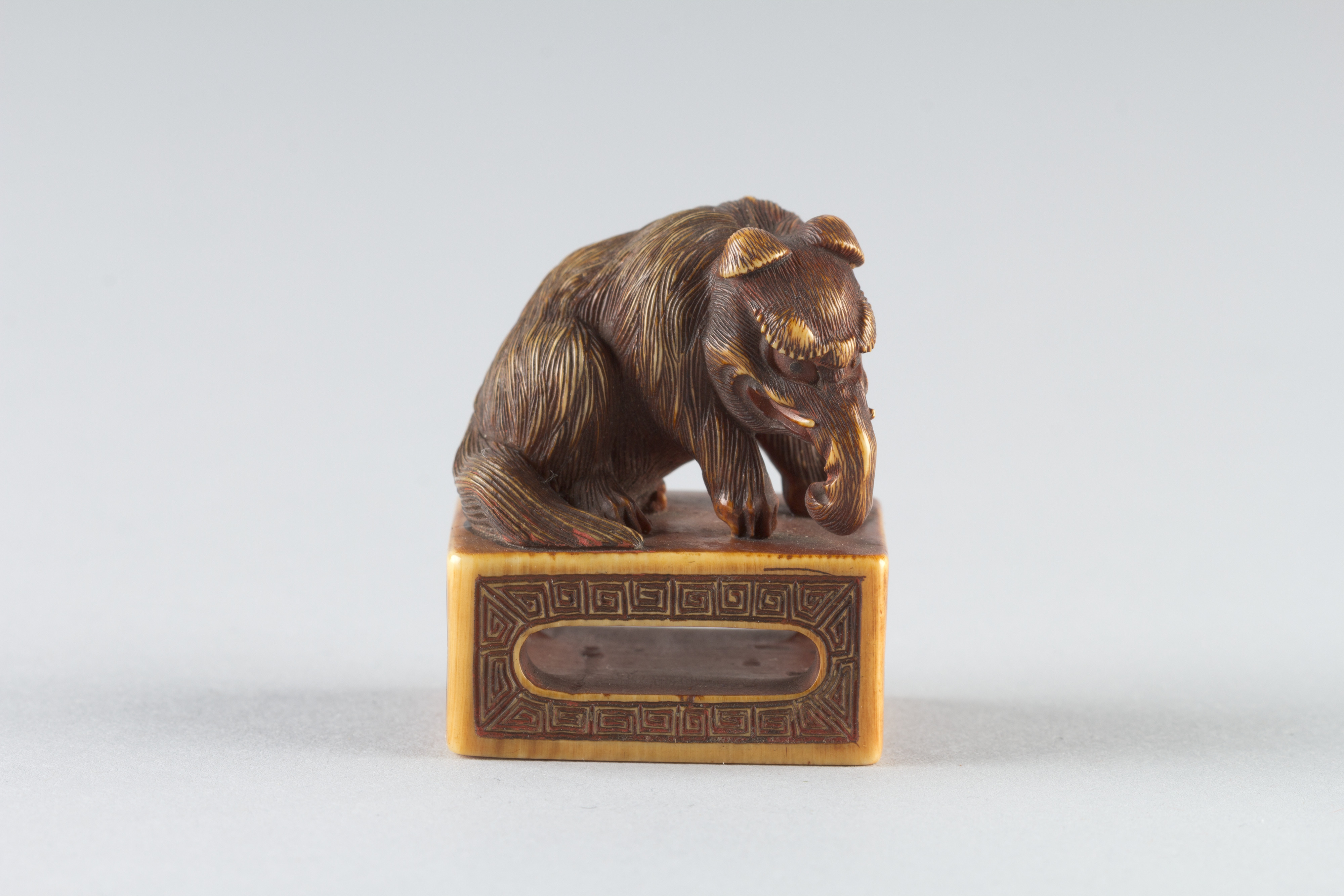
Heritage Analysis: Netsuke of Elephant on a Seal
Introduction: The Object as a Cultural Artifact
The Netsuke of Elephant on a Seal, carved from ivory in Japan, represents a confluence of symbolic power, historical adornment, and spiritual meaning. As a standalone object of study, this netsuke transcends its utilitarian origins as a toggle for securing a sagemono (hanging container) on a traditional Japanese kimono. The elephant, an exotic and revered creature in Japanese iconography, combined with the seal—a symbol of authority and permanence—creates a layered narrative of status, protection, and transcultural exchange. For Katherine Fashion Lab, this artifact offers a strategic blueprint for integrating heritage symbolism into a 2026 high-end luxury strategy, emphasizing exclusivity, narrative depth, and cross-cultural resonance.
Symbolic Power: The Elephant as a Transcultural Emblem
In Japanese culture, the elephant (zō) is not indigenous but arrived via Buddhist iconography from India and China. It symbolizes wisdom, strength, and royal dignity, often associated with the Buddha’s white elephant in dream narratives. The elephant’s depiction on a netsuke, a micro-sculpture worn by the elite, amplifies these attributes. The seal (hanko) itself is a marker of identity and authority, used by samurai, merchants, and nobles to authenticate documents. When combined, the elephant atop the seal signifies the mastery of power through wisdom—a reminder that true authority is not brute force but enlightened stewardship. For Katherine Fashion Lab, this symbolism can be translated into a luxury narrative that positions the brand as a guardian of heritage, where each piece embodies a story of cultural intelligence and refined influence.
Historical Adornment: Netsuke as Social Currency
During the Edo period (1603–1868), netsuke evolved from practical accessories into status symbols and artistic expressions. The material—ivory—was reserved for the elite due to its scarcity and the skill required to carve it. The elephant motif, often carved in a katabori (three-dimensional) style, demonstrated the artisan’s mastery and the wearer’s cosmopolitan taste. Netsuke were not merely functional; they were conversation starters, signaling the owner’s wealth, education, and connection to foreign cultures. In a 2026 high-end luxury strategy, Katherine Fashion Lab can draw from this history by emphasizing craftsmanship as cultural capital. Limited-edition pieces, each with a documented provenance and artisan signature, can replicate the netsuke’s role as a marker of discernment. The elephant-on-seal motif becomes a totem for the modern connoisseur—a wearable investment in art and identity.
Spiritual Meaning: Protection and Enlightenment
Ivory, derived from elephant tusks, was believed to possess apotropaic properties in many cultures, including Japan. Netsuke were often carried as talismans, warding off evil spirits and bringing good fortune. The elephant’s association with Ganesha (though Hindu, not Japanese) and Buddhist deities like Fugen Bosatsu (Samantabhadra) reinforces this protective symbolism. The seal adds a layer of permanence: a stamp that fixes one’s name or mark in the spiritual realm. Together, the elephant on a seal becomes a sacred object of grounding, linking the wearer to ancestral wisdom and cosmic order. For a luxury brand, this spiritual dimension offers a powerful differentiation. In 2026, consumers increasingly seek meaning beyond materiality. Katherine Fashion Lab can position the elephant-on-seal motif as a meditative accessory—a piece that invites reflection, resilience, and connection to a lineage of protectors. Marketing narratives could focus on the “seal of intention,” where each purchase is a commitment to personal or environmental stewardship, echoing the elephant’s endangered status and the ethical shift away from ivory.
Materiality and Ethics: Ivory in a Post-Elephant Era
The original medium—ivory—presents a critical tension for modern luxury strategy. While historically prized for its luster and workability, the contemporary market rightly condemns the ivory trade due to elephant poaching. For Katherine Fashion Lab, this is not a liability but an opportunity for strategic innovation. The 2026 high-end luxury strategy can replace ivory with sustainable, high-value alternatives such as tagua nut (vegetable ivory), fossilized mammoth ivory, or resin composites that mimic the patina and weight of traditional ivory. This shift aligns with the brand’s potential commitment to ethical luxury, echoing the netsuke’s original spiritual role as a protector of life. The elephant motif, once carved from the very material of the animal, now becomes a symbol of conservation—a seal of responsibility. This transformation adds layers of meaning: the object retains its historical resonance while acquiring contemporary relevance, appealing to the eco-conscious elite of 2026.
2026 High-End Luxury Strategy: The Netsuke as a Blueprint
Katherine Fashion Lab can operationalize the netsuke’s heritage into a cohesive strategy across four pillars:
1. Exclusivity through Limited Editions: Produce no more than 100 pieces per motif, each with a unique serial number and an artisan’s certificate. The elephant-on-seal design can be reimagined in sustainable materials, with the seal personalized for the buyer (e.g., a monogram or symbolic character). This mirrors the Edo-period practice of commissioning netsuke from master carvers.
2. Narrative-Driven Marketing: Frame the collection as “The Seals of Wisdom,” with each piece telling a story of cultural exchange. Use immersive digital experiences—AR try-ons or virtual museum tours—to contextualize the netsuke’s journey from Japan to the global stage. The elephant becomes a metaphor for the brand’s cross-cultural fluency.
3. Spiritual and Ethical Positioning: Partner with conservation organizations to donate a portion of proceeds to elephant sanctuaries. This aligns the spiritual protection symbolism with tangible action, reinforcing the brand’s role as a guardian of heritage and nature. The seal motif can be marketed as a “personal talisman for intentional living,” appealing to the mindfulness trend.
4. Craftsmanship as a Luxury Marker: Collaborate with contemporary Japanese artisans to reinterpret the netsuke form in modern materials (e.g., carbon fiber, titanium, or porcelain). Emphasize the hours of hand-carving, the precision of the seal’s engraving, and the cultural knowledge embedded in each piece. This positions Katherine Fashion Lab as a bridge between tradition and innovation—a hallmark of 2026 luxury.
Conclusion: The Elephant as a Strategic Icon
The Netsuke of Elephant on a Seal is far more than a historical curiosity; it is a compressed universe of meaning—power, adornment, spirituality, and material ethics. For Katherine Fashion Lab, this artifact provides a robust foundation for a 2026 high-end luxury strategy that values depth over display. By honoring the netsuke’s symbolic and historical layers while adapting its materiality to modern ethics, the brand can create objects that are not merely beautiful but culturally intelligent. The elephant, once a symbol of exotic wealth, becomes a seal of conscious luxury—a testament to the enduring power of heritage reimagined for a discerning future.