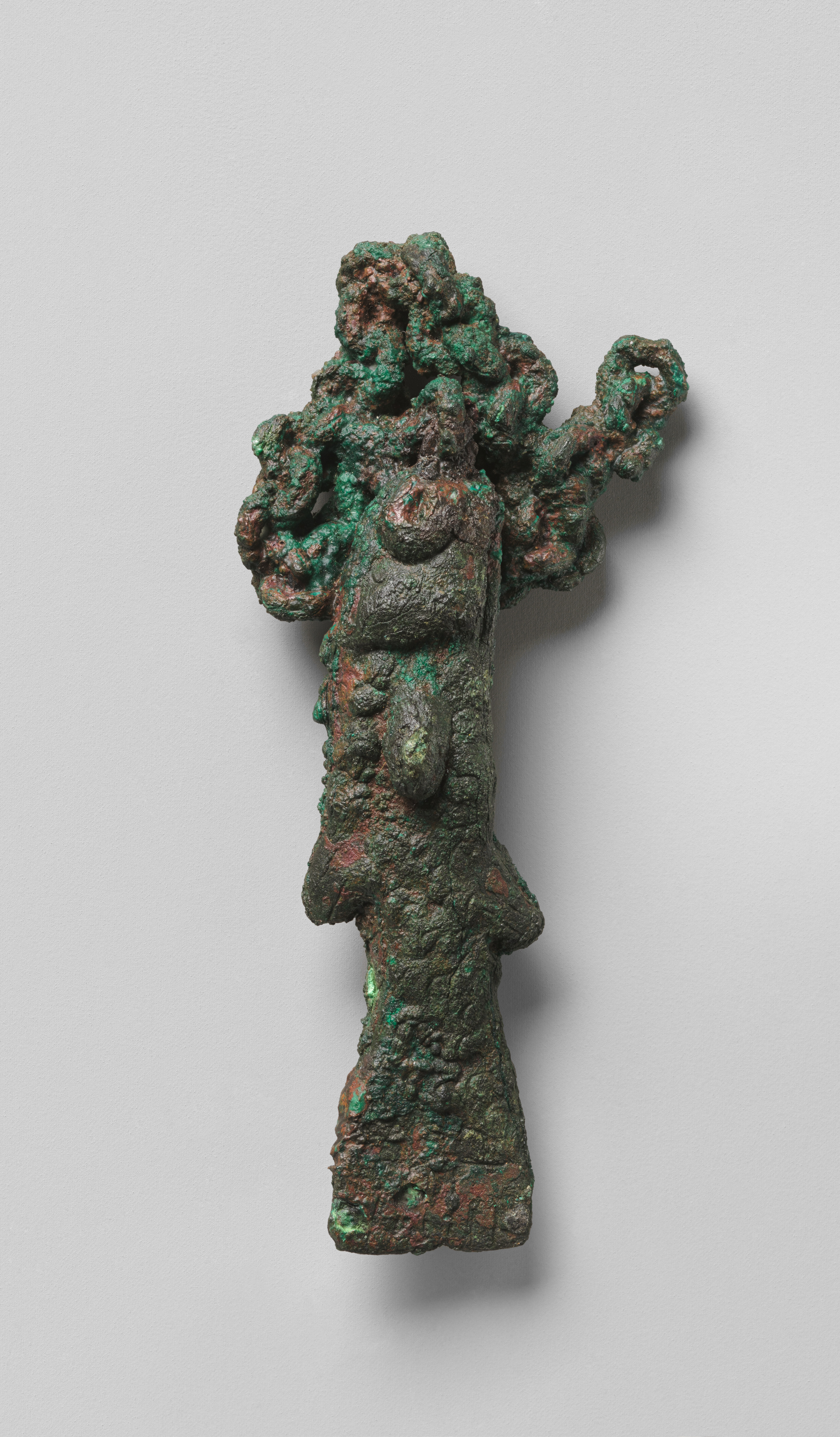
Heritage Analysis: The Iranian Fish Amulet
Introduction: The Object in Context
The fish amulet, rendered in copper and bronze and originating from Iran, represents a profound intersection of pre-Islamic and Islamic cultural symbolism, metallurgical craftsmanship, and protective spirituality. For Katherine Fashion Lab, this object offers a strategic reservoir of meaning that can be translated into 2026 high-end luxury narratives. As a Lead Heritage Curator, I analyze this amulet not merely as an artifact but as a symbolic asset capable of anchoring a luxury brand strategy rooted in authenticity, depth, and cross-cultural resonance.
Symbolic Power: The Fish as Universal Archetype
The fish holds a unique position in Iranian symbolic cosmology. In Zoroastrian tradition, the fish is associated with the primordial waters and the divine force of life, often depicted as a guardian of the sacred river that flows beneath the world tree. The fish’s ability to navigate dark, deep waters made it a symbol of wisdom, renewal, and the soul’s journey through material existence. In Islamic Persia, the fish appears in Quranic narratives—most notably in the story of Jonah—as a symbol of divine mercy, resurrection, and protection from peril.
This dual heritage imbues the fish amulet with a layered symbolic power: it is both a talisman against evil (a common function of amulets in Iranian folk belief) and a marker of spiritual enlightenment. The copper and bronze medium further amplifies this power. Copper, historically associated with the planet Venus and the goddess of love in pre-Islamic Iran, was believed to attract positive energy and ward off malevolent forces. Bronze, an alloy of copper and tin, symbolizes strength and endurance, making the amulet a durable vessel for protective intent.
Historical Adornment: Craft and Status
The fish amulet was not merely a spiritual object but also a form of personal adornment worn by both men and women across social strata in Iran. Archaeological evidence from sites such as Tepe Sialk and Persepolis indicates that fish-shaped pendants and amulets were worn as necklaces, bracelets, and belt ornaments from the Achaemenid period (c. 550–330 BCE) through the Safavid era (1501–1736 CE). The choice of copper and bronze suggests accessibility to a broad population, while higher-status versions were sometimes gilded or inlaid with precious stones.
This historical context reveals a crucial insight for luxury branding: the fish amulet was a democratized symbol of protection and identity, not an exclusive marker of elite status. Its power lay in its ubiquity and personal resonance. For a 2026 high-end strategy, this translates into a philosophy of “accessible symbolism”—where luxury is defined not by rarity alone but by the depth of shared meaning. The amulet’s long history of continuous use across millennia also provides a narrative of timelessness, a key attribute for luxury consumers seeking objects that transcend seasonal trends.
Spiritual Meaning: Protection, Fertility, and Transformation
In Iranian folk spirituality, the fish amulet served multiple protective and transformative functions. It was commonly worn by pregnant women to ensure a safe delivery and by travelers to guard against the dangers of long journeys. The fish’s association with water—the source of life—made it a fertility charm, while its ability to swim against currents symbolized resilience and adaptability. The amulet was often inscribed with prayers or Quranic verses, transforming it into a portable sanctuary.
From a strategic perspective, this spiritual meaning aligns with contemporary luxury consumers’ growing desire for objects that offer psychological and emotional well-being. The 2026 luxury market is projected to see increased demand for “meaningful possessions”—items that provide comfort, protection, or a sense of purpose. The fish amulet’s spiritual heritage offers a ready-made narrative of care and intention, which can be leveraged in product design, storytelling, and customer experience. For example, a luxury collection could incorporate the amulet’s form into pendants, cufflinks, or brooches, each piece accompanied by a card explaining its protective symbolism.
Strategic Implications for 2026 High-End Luxury
Katherine Fashion Lab can deploy the Iranian fish amulet as a cornerstone of a 2026 luxury strategy built on three pillars: heritage authenticity, material integrity, and emotional resonance.
Heritage Authenticity: The amulet’s Iranian origin provides a distinct, non-Western cultural narrative that differentiates the brand in a saturated market. Luxury consumers increasingly seek stories rooted in genuine traditions rather than manufactured trends. By collaborating with Iranian artisans or using traditional lost-wax casting techniques for copper and bronze, Katherine Fashion Lab can claim an unbroken lineage of craftsmanship, elevating the product beyond mere fashion into collectible art.
Material Integrity: Copper and bronze, while historically humble, can be repositioned as “noble metals” in a luxury context. Their patina over time—a natural oxidation process—adds visual depth and tells a story of age and use. This aligns with the 2026 trend toward slow luxury, where materials are valued for their evolving beauty rather than their pristine perfection. Marketing campaigns can emphasize the amulet’s tactile and olfactory qualities: the cool weight of bronze, the warm glow of copper, and the faint metallic scent that evokes ancient bazaars.
Emotional Resonance: The fish amulet’s protective and transformative symbolism can be translated into a brand ethos of “guarded elegance.” Katherine Fashion Lab could position the amulet as a talisman for the modern individual navigating uncertainty—a luxury object that offers not just aesthetic pleasure but psychological security. This could be supported by a loyalty program that offers personalized amulets inscribed with the wearer’s initials or a chosen prayer, creating a one-to-one emotional bond.
Conclusion: A Strategic Asset for 2026
The Iranian fish amulet, in copper and bronze, is far more than a historical curiosity. It is a concentrated symbol of protection, life, and transformation, embedded in a rich cultural matrix that spans millennia. For Katherine Fashion Lab, this object provides a strategic foundation for a 2026 luxury line that is both culturally respectful and commercially compelling. By honoring the amulet’s symbolic power, historical adornment practices, and spiritual meaning, the Lab can create products that resonate deeply with discerning consumers seeking authenticity, durability, and emotional value. The fish amulet is not merely a design motif—it is a heritage asset ready for strategic reinvention.