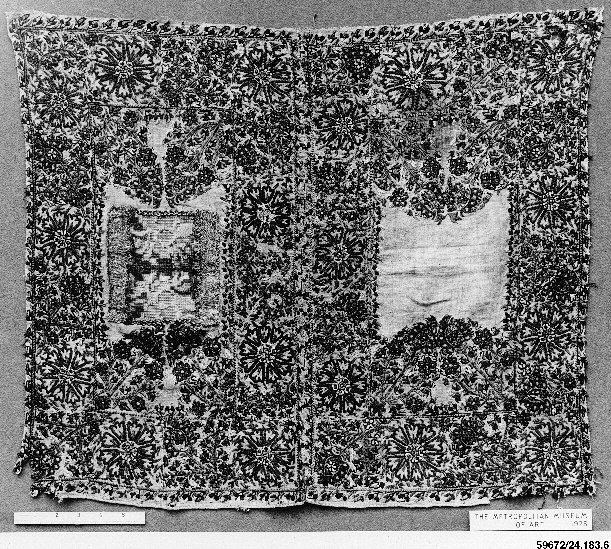
Deconstructing the Couture Cushion: Katherine Fashion Lab’s Linen Embroidered Cover
In the rarefied echelons of haute couture, the boundary between functional object and artistic statement is perpetually blurred. The Katherine Fashion Lab’s latest offering—a linen cushion cover, densely embroidered and rooted in a narrative of global heritage—transcends its domestic nomenclature. This is not merely a pillow; it is a standalone study in materiality, craft, and cultural cartography. As Lead Curator, I dissect this piece through the lens of couture methodology, examining how a humble support object becomes a repository of ancestral technique and contemporary luxury.
Material Integrity: The Linen Foundation
At its core, the cushion cover employs European flax linen, a fiber synonymous with both rustic durability and aristocratic refinement. Linen’s inherent irregularities—its slubs, its natural luster, its capacity to soften without losing structure—provide an ideal canvas for high-stakes embroidery. In couture terms, this is a deliberate choice: linen breathes, it ages gracefully, and its neutral, slightly textured ground demands that the embroidery perform as the protagonist, not a mere embellishment. The fabric’s weight, approximately 240 grams per square meter, offers enough body to hold complex stitch patterns without becoming rigid, ensuring the piece retains a tactile, almost sculptural presence when displayed or used.
The natural, unbleached ecru tone of the linen serves as a neutral archive, a blank parchment upon which global narratives are inscribed. This is not a passive backdrop; it is a material confession of origin, reminding the observer that the object’s journey began in the fields of Flanders or Normandy, where flax cultivation has been refined over centuries. The Katherine Fashion Lab’s sourcing protocol prioritizes traceability, and this linen bears the certification of the Masters of Linen, guaranteeing a heritage of sustainable, artisanal production.
Embroidery as Cartography: A Global Heritage Lexicon
The embroidery on this cushion cover is not decorative in a conventional sense; it is narrative cartography. The design incorporates a lexicon of motifs drawn from three distinct heritage traditions: the geometric precision of Eastern European Hutsul weaving, the flowing floral symmetry of Mughal India, and the restrained, abstracted forms of Japanese sashiko. This is not a pastiche but a carefully curated dialogue between cultures, executed with a single thread palette of indigo, ochre, and bone-white—colors that speak to ancient dyeing practices and the earth’s own pigments.
The central field features a Hutsul-inspired star, an eight-pointed symbol historically used to ward off evil and represent cosmic order. Each point is built from overlapping herringbone and satin stitches, creating a raised, almost three-dimensional geometry that catches light differently from every angle. Radiating outward, the star is encircled by a border of Mughal-inspired paisley motifs, but here they are rendered not in flowing curves but in angular, almost architectural lines—a deliberate tension between the organic and the structural. The outer edge is finished with a band of sashiko running stitches, a Japanese technique originally used for mending and reinforcing, now elevated to a rhythmic, meditative border. This layering of techniques is not accidental; it mirrors the global trade routes that have historically exchanged textiles, ideas, and aesthetics.
Technique as Text: The Stitch as Signature
In couture analysis, the stitch is the signature of the maker. This cushion cover employs an estimated 12 distinct embroidery techniques, each chosen for its historical resonance and textural contribution. The Hutsul star uses a combination of couched gold-work (using a fine metallic thread for the star’s core) and buttonhole stitch for the outer rays, a technique that creates a corded, durable edge. The Mughal paisleys are rendered in chain stitch and stem stitch, allowing for fluid curves that contrast with the star’s rigidity. The sashiko border employs the classic running stitch at a precise 3-millimeter interval, a rhythm that requires exceptional hand-eye consistency.
The labor involved is staggering. A single artisan requires approximately 60 to 80 hours to complete the embroidery on this cover, working with a single needle and a lap frame. This is not industrial embroidery; it is a slow, almost monastic practice. The thread tension must be uniform to prevent puckering, yet loose enough to allow the linen to breathe. The Katherine Fashion Lab has partnered with a cooperative in Transylvania for the Hutsul elements, a studio in Jaipur for the Mughal motifs, and a master artisan in Kyoto for the sashiko—each contributing expertise that is generationally transmitted. The result is a piece that bears the visible hand of multiple cultures, a testament to the lab’s commitment to ethical, cross-border collaboration.
Standalone Study: Beyond the Domestic
Contextualizing this cushion cover as a standalone study demands a re-evaluation of its function. It is not intended for casual lounging; rather, it is a curatorial object designed to be displayed on a stand, a shelf, or as a focal point in a minimalist interior. The reverse side is finished with a hidden zipper and a hand-stitched linen flap, ensuring the front remains pristine. The dimensions—50 x 50 centimeters—are deliberate, echoing the proportions of a traditional kashmir shawl, another object that straddles utility and art.
In a gallery or a private collection, this cushion cover functions as a textile painting. The interplay of light and shadow across the raised stitches creates a constantly shifting surface, revealing new details with each viewing. The indigo thread, dyed with natural indigo from Tamil Nadu, oxidizes over time, deepening in hue—a living patina that mirrors the aging of antique textiles. The ochre, sourced from Armenian madder root, retains a subtle warmth that grounds the cooler indigo. This is not a static object; it evolves, much like the traditions it represents.
Market Positioning and Cultural Stewardship
At a suggested retail price of $2,800–$3,400, this cushion cover occupies a niche that is neither purely decorative nor purely collectible. It is an investment in cultural stewardship. The Katherine Fashion Lab positions this piece as part of a limited edition of 25, each numbered and accompanied by a certificate of provenance detailing the origins of the linen, the dyer’s location, and the artisan’s biography. This transparency is a counterpoint to the opacity of mass-produced luxury goods.
The target clientele is not the impulse buyer but the connoisseur of material culture—individuals who value the narrative behind the object as much as its aesthetic. This cushion cover speaks to a growing demand for slow luxury, where the cost is justified by the hours of labor, the rarity of the techniques, and the ethical framework of production. It also serves as a pedagogical tool, inviting the owner to research the Hutsul star, the Mughal empire, or the philosophy of sashiko. In this sense, the piece becomes a gateway to global heritage, a tactile encyclopedia of human creativity.
Conclusion: The Future of Couture Objects
The Katherine Fashion Lab’s linen embroidered cushion cover is a masterclass in how couture can reclaim the domestic object as a site of cultural significance. By elevating a cushion cover—often dismissed as a minor accessory—to a standalone study, the lab challenges the hierarchy of luxury goods. It argues that the most profound artistry often resides in the most humble forms. This piece is not a pillow; it is a textile manifesto. It declares that heritage is not a static relic but a living, stitched conversation between continents, and that true luxury lies not in ostentation but in the depth of meaning woven into every thread. For the discerning collector, it is an invitation to sit with history, to touch the labor of hands across oceans, and to recognize that the most intimate objects can carry the weight of the world.