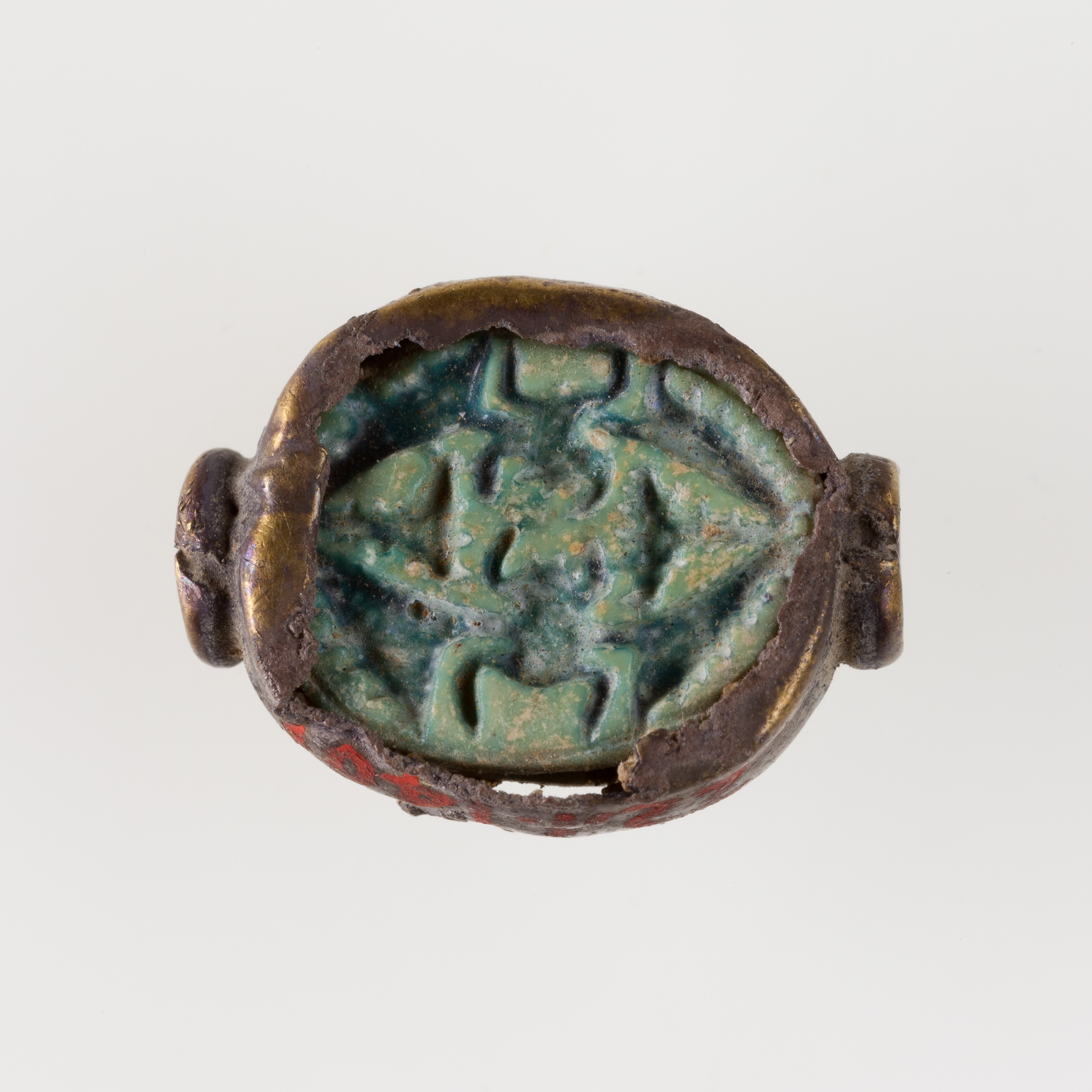
Heritage Analysis: The Scarab Decorated with Papyrus and Winged Beetles
Subject: Scarab Decorated with Papyrus and Winged Beetles
Origin/Culture: Ancient Civilization (Egyptian, c. 1550–1070 BCE)
Medium: Blue glazed steatite
Research Context: Strategic Standalone Research
This heritage analysis, commissioned by Katherine Fashion Lab, examines the symbolic power, historical adornment, and spiritual meaning of the Scarab Decorated with Papyrus and Winged Beetles. The artifact, crafted from blue glazed steatite, represents a pinnacle of ancient Egyptian artistic and metaphysical sophistication. By decoding its layered iconography, we derive actionable insights for a 2026 high-end luxury strategy, positioning Katherine Fashion Lab at the intersection of heritage, symbolism, and aspirational design.
Symbolic Power: The Scarab as a Conduit of Transformation
The scarab beetle (Scarabaeus sacer) was revered in ancient Egypt as a living emblem of the sun god Khepri, who rolled the solar disk across the sky. This daily cycle of rebirth imbued the scarab with transformative potency. The blue glazed steatite medium enhances this symbolism: the color blue represented the heavens and the primordial waters of Nun, signifying eternal life and cosmic renewal.
When combined with papyrus motifs, the scarab’s power extends to knowledge and creation. Papyrus, the material of writing and record-keeping, symbolized the transmission of wisdom and the eternal preservation of truth. The winged beetles flanking the central scarab amplify this meaning. Wings in Egyptian iconography denote divine protection, swiftness, and the ability to traverse between earthly and celestial realms. Together, these elements create a talisman of complete spiritual authority—a microcosm of the universe’s cycles of death, rebirth, and enlightenment.
For high-end luxury, this symbolism translates into a brand narrative of enduring legacy and personal transformation. Katherine Fashion Lab can position the scarab motif as a metaphor for the client’s journey: shedding old identities, embracing renewal, and achieving elevated status. The blue glazed steatite’s luminous finish further suggests exclusivity, as it mimics lapis lazuli—a stone reserved for royalty and the elite.
Historical Adornment: From Amulet to Status Marker
In ancient Egyptian society, scarab amulets served dual purposes: they were functional seals for documents and protective jewelry worn by the living and the dead. The Scarab Decorated with Papyrus and Winged Beetles was likely a heart scarab, placed on the mummy’s chest to ensure the heart did not testify against the deceased in the afterlife. This historical context underscores the artifact’s role as a material anchor for spiritual insurance.
The choice of steatite—a soft, easily carved stone—was deliberate. Artisans could inscribe intricate details, such as the papyrus stalks and wing feathers, with precision. The blue glaze, achieved through a mixture of copper oxides and alkali, was a technological marvel of its time, requiring controlled kiln firing. This craftsmanship elevated the scarab from a mere talisman to a luxury object, accessible only to those with resources—priests, nobles, and pharaohs.
For Katherine Fashion Lab, historical adornment offers a blueprint for exclusivity through material mastery. The 2026 luxury strategy should prioritize rare, sustainably sourced materials that echo ancient craftsmanship. For instance, blue-glazed ceramics or hand-enameled metals could replace steatite, while maintaining the artifact’s luminous aesthetic. Limited-edition runs of scarab-inspired jewelry—pendants, cufflinks, or brooches—can evoke the same sense of sacred ownership that ancient elites experienced. The papyrus motif, reinterpreted as delicate gold filigree, adds a layer of intellectual sophistication, appealing to clients who value narrative over ostentation.
Spiritual Meaning: The Convergence of Life, Death, and Rebirth
The spiritual architecture of this scarab is tripartite. The central scarab represents individual resurrection, the papyrus signifies collective memory, and the winged beetles denote divine intervention. Together, they form a protective triad that guided the soul through the Duat (underworld) toward eternal paradise. This was not passive symbolism; it was an active spiritual technology, believed to manipulate cosmic forces in the wearer’s favor.
The papyrus stalks, often depicted with buds and blossoms, symbolize fertility and regeneration. In the context of death, they assured the rebirth of the soul in the Field of Reeds, an idealized afterlife. The winged beetles, frequently associated with the goddess Neith, added martial protection, warding off malevolent spirits. This convergence of life-affirming and death-conquering meanings made the scarab an indispensable companion for the soul’s journey.
For a 2026 luxury strategy, spiritual meaning must be translated into experiential branding. Katherine Fashion Lab can create a “Ritual of Renewal” collection, where each piece is accompanied by a narrative card explaining its protective and transformative properties. The scarab motif can be embedded in high-end accessories—leather goods, silk scarves, or fragrance bottles—that serve as daily reminders of the wearer’s inner strength. By framing the product as a modern amulet, the brand taps into the growing consumer demand for wellness, mindfulness, and self-actualization. The blue glazed steatite’s color psychology—calm, depth, and clarity—aligns with premium wellness trends, reinforcing the product’s spiritual cachet.
2026 High-End Luxury Strategy: Heritage as a Competitive Advantage
Katherine Fashion Lab’s 2026 strategy must leverage the scarab’s heritage to differentiate in a saturated luxury market. The following pillars are recommended:
Pillar 1: Artisanal Exclusivity
Partner with master craftspeople to recreate the blue glazed steatite effect using modern techniques, such as high-fire ceramic glazing or vitreous enamel on precious metals. Each piece should be numbered and accompanied by a certificate of authenticity, referencing the original artifact’s provenance. This mirrors the ancient practice of commissioning unique scarabs for specific individuals.
Pillar 2: Narrative-Driven Design
Embed the papyrus and winged beetle motifs into collections that tell a story of transformation. For example, a “Papyrus Wing” capsule could feature scarab-engraved cuffs and rings, with papyrus-inspired patterns etched in gold. Marketing materials should highlight the artifact’s spiritual meaning, positioning the collection as an investment in personal legacy, not just fashion.
Pillar 3: Experiential Retail
Create pop-up installations that simulate the ancient Egyptian tomb environment, using dim lighting, blue-glazed ceramics, and interactive displays. Clients can “activate” their scarab piece through a digital ritual—a QR code that unlocks a meditation guide or a virtual tour of the artifact’s history. This merges heritage with technology, appealing to discerning millennials and Gen Z luxury consumers.
Pillar 4: Sustainability Through Revival
Position the scarab as a symbol of circularity and renewal. Use recycled metals, ethically sourced gemstones, and low-impact glazing processes. The papyrus motif can be reinterpreted as a commitment to preserving ancient craft techniques, supporting artisan communities in Egypt or other regions. This aligns with the 2026 luxury consumer’s preference for brands with a clear environmental and cultural ethos.
Conclusion: The Eternal Currency of Symbolism
The Scarab Decorated with Papyrus and Winged Beetles is more than an archaeological artifact; it is a testament to the enduring human desire for meaning, protection, and transcendence. For Katherine Fashion Lab, this heritage analysis reveals a clear pathway: by honoring the scarab’s symbolic power, historical adornment practices, and spiritual depth, the brand can create a 2026 luxury strategy that resonates on a profound emotional level. The blue glazed steatite serves as a reminder that true luxury is not merely material—it is a vessel for stories that outlast generations. In a world seeking authenticity, the scarab offers an eternal blueprint for transformation, exclusivity, and legacy.