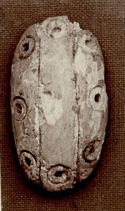
Executive Summary: The Ivory Toilet Box as a Nexus of Power and Prestige
This heritage analysis examines the symbolic, spiritual, and adornment functions of an ancient ivory toilet box, originating from a prominent ancient civilization (circa 3000–1000 BCE). As a utilitarian object elevated to a luxury artifact, the toilet box serves as a microcosm of how early elites deployed material culture to assert authority, mediate the sacred, and define aesthetic standards. For Katherine Fashion Lab’s 2026 high-end luxury strategy, the ivory toilet box offers a compelling blueprint for integrating symbolic power, historical adornment, and spiritual meaning into contemporary product narratives. This analysis provides actionable insights for curating a heritage-informed luxury line that resonates with discerning, culturally literate consumers.
Symbolic Power: The Toilet Box as a Manifestation of Royal and Divine Authority
Materiality and Social Hierarchy
Ivory, sourced from elephant tusk or hippopotamus teeth, was a material of extreme rarity and value in the ancient world. Its acquisition required long-distance trade networks, military expeditions, or tribute systems—all indicators of a ruler’s geopolitical reach. The choice of ivory for a toilet box, an object associated with personal grooming and bodily maintenance, signals that even the most intimate acts were imbued with statecraft. The box’s surface, often carved with motifs of lions, griffins, or winged deities, functioned as a portable emblem of sovereignty. For Katherine Fashion Lab, this suggests that material provenance and craftsmanship narrative should be foregrounded in 2026 collections. Using ethically sourced, rare materials (e.g., fossilized ivory alternatives, precious metals) and commissioning master artisans can replicate the aura of exclusivity and power that the original object commanded.
Iconography of Control
Common decorative motifs on ancient toilet boxes include scenes of hunting, warfare, or mythological battles. These images were not merely ornamental; they were visual assertions of the owner’s ability to dominate nature and enemies. The act of opening the box to retrieve cosmetics or perfumes became a ritualized reenactment of control. In a luxury context, Katherine Fashion Lab can adopt a similar strategy by embedding brand iconography that tells a story of mastery—whether over craft, time, or cultural heritage. For instance, a limited-edition “Sovereign” collection could feature engraved motifs symbolizing protection, conquest, or wisdom, transforming everyday accessories into talismans of personal authority.
Historical Adornment: The Intersection of Beauty, Status, and Identity
Cosmetics as Currency of the Elite
In ancient civilizations, the contents of the toilet box—eye paints, unguents, and oils—were as valuable as the container itself. These substances were often imported from distant lands (e.g., kohl from Egypt, myrrh from Arabia) and required complex chemical processes to produce. The toilet box thus served as a status marker that linked the owner to global trade networks and esoteric knowledge. For Katherine Fashion Lab’s 2026 strategy, this underscores the importance of ingredient storytelling. A high-end skincare or fragrance line could reference ancient formulations, using sustainably sourced botanicals and minerals, and package them in vessels that echo the toilet box’s design language—perhaps in polished stone or hand-carved wood.
Adornment as Social Performance
The act of applying cosmetics from an ivory box was a semi-public ritual, often observed by attendants or guests. This performance reinforced the owner’s position within the social hierarchy. Modern luxury consumers similarly engage in “adornment performances” through unboxing, display, and social media sharing. Katherine Fashion Lab can capitalize on this by designing ritualistic packaging that encourages tactile engagement—for example, a toilet box-inspired case with a hidden compartment, requiring a specific sequence to open. Such design not only enhances perceived value but also creates shareable moments that amplify brand visibility.
Spiritual Meaning: The Toilet Box as a Vessel for Transcendence
Protective and Apotropaic Functions
Many ancient toilet boxes were inscribed with symbols or figures intended to ward off evil spirits or bring good fortune. The act of anointing oneself with oils or paints from such a box was believed to confer spiritual protection. The box itself was often placed in tombs, suggesting its role in the afterlife as a provider of beauty and power beyond death. For Katherine Fashion Lab, this opens a pathway to spiritual luxury—products that are not just beautiful but also imbued with intention. A 2026 capsule collection could partner with contemporary artists or spiritual practitioners to create “blessed” or “intention-set” objects, appealing to consumers seeking meaning beyond materialism.
Ritual and Transformation
The toilet box was a tool of transformation, enabling the user to shift from a mundane to a sacred or powerful state. In many cultures, cosmetics were linked to deities: eye paint mirrored the sun god’s radiance; oils imitated the anointing of priests. This transformative narrative is highly relevant for luxury branding. Katherine Fashion Lab can position its products as catalysts for personal metamorphosis—whether through a signature scent that evokes ancient temples or a skincare regimen framed as a “daily ritual of renewal.” The packaging itself should be designed to be kept and reused, becoming a permanent object of meditation or display.
2026 High-End Luxury Strategy: Translating Ancient Heritage into Modern Exclusivity
Strategic Recommendations
1. Material and Craftsmanship Prestige: Leverage the ivory toilet box’s legacy by using alternative heritage materials such as sustainably sourced tagua nut, fossilized mammoth ivory, or hand-carved marble. Partner with artisan cooperatives in regions with ancient carving traditions (e.g., India, Egypt, Greece) to ensure authenticity and ethical production. The cost of such materials and labor justifies a high price point and positions the brand as a steward of cultural heritage.
2. Narrative-Driven Product Lines: Develop a “Treasury of the Ancients” collection, where each product is inspired by a specific artifact. For example, a “Sovereign’s Unguent” serum could reference the oils found in the toilet box, with a scent profile based on archaeological reconstructions of ancient perfumes. Each item should include a heritage card detailing the original artifact’s history, symbolism, and spiritual significance, creating a bridge between past and present.
3. Ritualized Consumer Experience: Design the unboxing experience to mimic the opening of a sacred container. Use multiple layers of wrapping, a magnetic clasp that requires a specific gesture, and an interior lined with silk or velvet. Include a small booklet or digital QR code that guides the user through a “ritual of application,” echoing the ancient practice of anointment. This transforms a simple purchase into a meaningful ceremony.
4. Limited-Edition and Archival Strategy: Release the toilet box-inspired collection in extremely limited quantities (e.g., 100 units per design), each with a unique serial number and certificate of authenticity. Reserve a portion for private viewings at heritage sites or museums, reinforcing the brand’s connection to history. This scarcity model mimics the exclusivity of ancient luxury goods and appeals to collectors.
5. Digital and Experiential Marketing: Create an immersive digital experience where consumers can explore a virtual reconstruction of the ancient toilet box, its iconography, and its cultural context. Use augmented reality to allow users to “hold” the artifact or see how cosmetics were applied in antiquity. This not only educates but also builds emotional investment in the product’s heritage.
Conclusion: Heritage as the Ultimate Luxury Differentiator
The ivory toilet box of ancient civilization is far more than a relic; it is a testament to the enduring human desire to merge utility with beauty, power, and transcendence. For Katherine Fashion Lab, this artifact provides a rich foundation for a 2026 luxury strategy that prioritizes symbolic depth, artisanal excellence, and spiritual resonance. By translating the toilet box’s essence into modern forms, the brand can offer not just products, but portals to a more meaningful, elevated way of living—one that honors the past while defining the future of luxury.