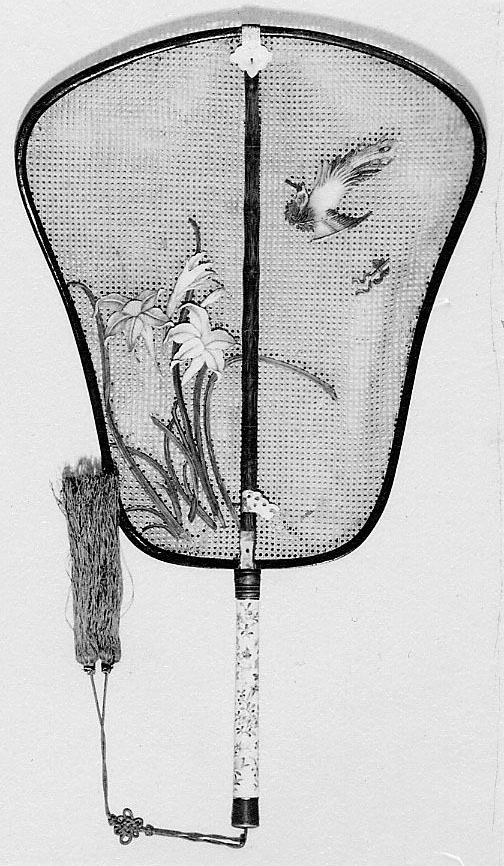
Heritage Analysis: The Chinese Fan as a Cultural Artifact and Strategic Luxury Asset
The fan, as an object of both utility and artistry, occupies a singular position in Chinese heritage. Unlike many accessories that serve a purely functional or decorative role, the fan has historically functioned as a medium of social communication, a symbol of intellectual and spiritual authority, and a canvas for exquisite craftsmanship. For Katherine Fashion Lab, a deep analysis of the Chinese fan—specifically those crafted from bamboo, ivory, mother-of-pearl, and metal—offers a rich foundation for a 2026 high-end luxury strategy. This paper examines the fan’s symbolic power, historical adornment, and spiritual meaning, culminating in actionable insights for positioning the fan as a strategic standalone heritage piece in the contemporary luxury market.
Symbolic Power: The Fan as a Vessel of Status and Identity
In imperial China, the fan was never a mere accessory; it was a potent symbol of social rank, intellectual refinement, and moral authority. The bamboo frame, for instance, was not chosen for its lightness alone. Bamboo, in Chinese culture, represents resilience, uprightness, and humility—virtues of the Confucian scholar-gentleman. A fan made of bamboo signified its owner’s adherence to these principles, serving as a silent declaration of character. In contrast, the use of ivory and mother-of-pearl elevated the fan to a status object reserved for the imperial court and the highest echelons of the aristocracy. Ivory, with its luminous and smooth texture, conveyed purity and permanence, while mother-of-pearl, with its iridescent play of light, symbolized wealth, beauty, and cosmic harmony.
From a strategic luxury perspective, this symbolic hierarchy offers a blueprint for product differentiation. In 2026, Katherine Fashion Lab can leverage the fan’s historical association with exclusivity by creating limited-edition pieces that echo the material hierarchy of the past. For example, a fan with a bamboo frame and mother-of-pearl inlay could be positioned as an “entry-level” heritage piece for the discerning collector, while a full ivory-and-metal fan—using ethically sourced or alternative materials—could be the pinnacle of the collection, reserved for the most exclusive clientele. The symbolic power of these materials is not merely decorative; it is a narrative of status that the modern luxury consumer seeks to purchase and embody.
Historical Adornment: Craftsmanship as a Marker of Cultural Capital
The historical adornment of Chinese fans is a testament to the extraordinary skill of artisans who transformed functional objects into wearable art. The metal components, often applied as rivets, hinge mechanisms, or decorative guards, were meticulously hand-forged and engraved. In the Tang and Song dynasties, fans were frequently adorned with calligraphy and paintings by renowned literati, making each piece a unique, signed work of art. The use of mother-of-pearl inlay, a technique known as luodian, involved cutting the iridescent shell into intricate floral or geometric patterns and embedding them into the lacquered surface. This process could take months, and the resulting shimmer was believed to capture the essence of moonlight and water.
For a 2026 luxury strategy, this historical commitment to craftsmanship offers a powerful counterpoint to the mass-produced, digital-first luxury market. Katherine Fashion Lab should position its fan collection as a revival of haute artisanat, emphasizing the hours of labor, the rarity of the materials, and the lineage of the craftsmen. The brand can create a “Craftsmanship Codex” for each fan, detailing the provenance of the bamboo, the age of the mother-of-pearl, and the hand-engraving techniques used for the metal elements. This transparency not only justifies a high price point but also builds cultural capital—the modern luxury consumer increasingly values the story behind the object as much as the object itself.
Spiritual Meaning: The Fan as a Bridge Between Worlds
Beyond its social and aesthetic roles, the Chinese fan carries profound spiritual meaning. In Taoist and Buddhist traditions, the fan is associated with the concept of qi (vital energy). The act of fanning was believed to disperse stagnant energy and invite auspicious breezes, symbolizing the flow of life force and spiritual purification. The round or “moon” fan, in particular, was a symbol of unity, eternity, and the cyclical nature of existence. The combination of ivory (associated with purity and the sacred) and mother-of-pearl (linked to the moon and water) created an object that was not only beautiful but also talismanic. In funerary and ceremonial contexts, fans were used to guide the spirit or to honor ancestors, bridging the material and spiritual realms.
This spiritual dimension is an underutilized asset in contemporary luxury branding. In 2026, as consumers seek greater meaning and mindfulness in their purchases, Katherine Fashion Lab can position its fan collection as a tool for personal ritual and intention. Marketing narratives could emphasize the fan’s role in creating a “sacred space” within the home or as a companion for meditation. The brand could collaborate with contemporary artists and spiritual practitioners to create limited-edition fans inscribed with auspicious symbols or mantras. By reframing the fan as a spiritual artifact—rather than merely an accessory—the brand taps into the growing demand for luxury goods that offer emotional and metaphysical value.
2026 High-End Luxury Strategy: Positioning the Fan as a Standalone Heritage Piece
To successfully integrate the Chinese fan into a 2026 high-end luxury strategy, Katherine Fashion Lab must move beyond the traditional perception of the fan as a costume or souvenir. The following strategic pillars are recommended:
Material Innovation with Ethical Provenance
Given the contemporary ethical concerns surrounding ivory, the brand should invest in alternative materials that capture its visual and tactile qualities—such as fossilized mammoth ivory, tagua nut, or high-grade resin. The bamboo component should be sourced from certified sustainable groves in Zhejiang or Anhui, with a traceable supply chain. Mother-of-pearl can be sourced from sustainable pearl farms, ensuring that the material’s iridescence is both authentic and ethical. The metal elements, whether silver, gold, or bronze, should be hallmarked and designed to patina gracefully over time, reinforcing the object’s heirloom quality.
Narrative-Driven Collections
Each fan should be part of a narrative collection, such as “The Scholar’s Garden” (bamboo and mother-of-pearl), “The Moon Palace” (ivory alternative and silver), or “The Dragon Gate” (metal and lacquer). These collections should be released in limited editions of 50–100 pieces, each with a unique number and a certificate of authenticity that includes a QR code linking to a digital archive of the fan’s history, craftsmanship, and spiritual symbolism.
Experiential Retail and Bespoke Services
In flagship stores, Katherine Fashion Lab should create a “Fan Atelier” where clients can observe artisans assembling and painting fans. A bespoke service would allow clients to commission a fan with personalized calligraphy, gemstone inlays, or a custom folding structure. This experiential layer transforms the purchase from a transaction into a rite of passage, reinforcing the fan’s status as a cultural and spiritual heirloom.
Strategic Partnerships and Cultural Authority
To establish legitimacy, the brand should partner with museums, auction houses, and academic institutions specializing in Chinese decorative arts. Co-curated exhibitions, such as “The Art of the Fan: From Imperial Court to Contemporary Luxury,” would position Katherine Fashion Lab as a custodian of heritage rather than a mere commercial entity. This cultural authority is essential for commanding the highest price points in the 2026 luxury market.
Conclusion
The Chinese fan, with its layered symbolism, historical adornment, and spiritual resonance, is a heritage object of extraordinary depth. For Katherine Fashion Lab, the strategic challenge lies not in creating a new product but in recontextualizing an ancient one for the discerning luxury consumer of 2026. By honoring the fan’s material hierarchy, craftsmanship legacy, and metaphysical significance, the brand can offer a piece that is not merely beautiful but profoundly meaningful. In a market saturated with digital ephemera, the tangible, storied fan becomes a powerful statement of identity, status, and soul.