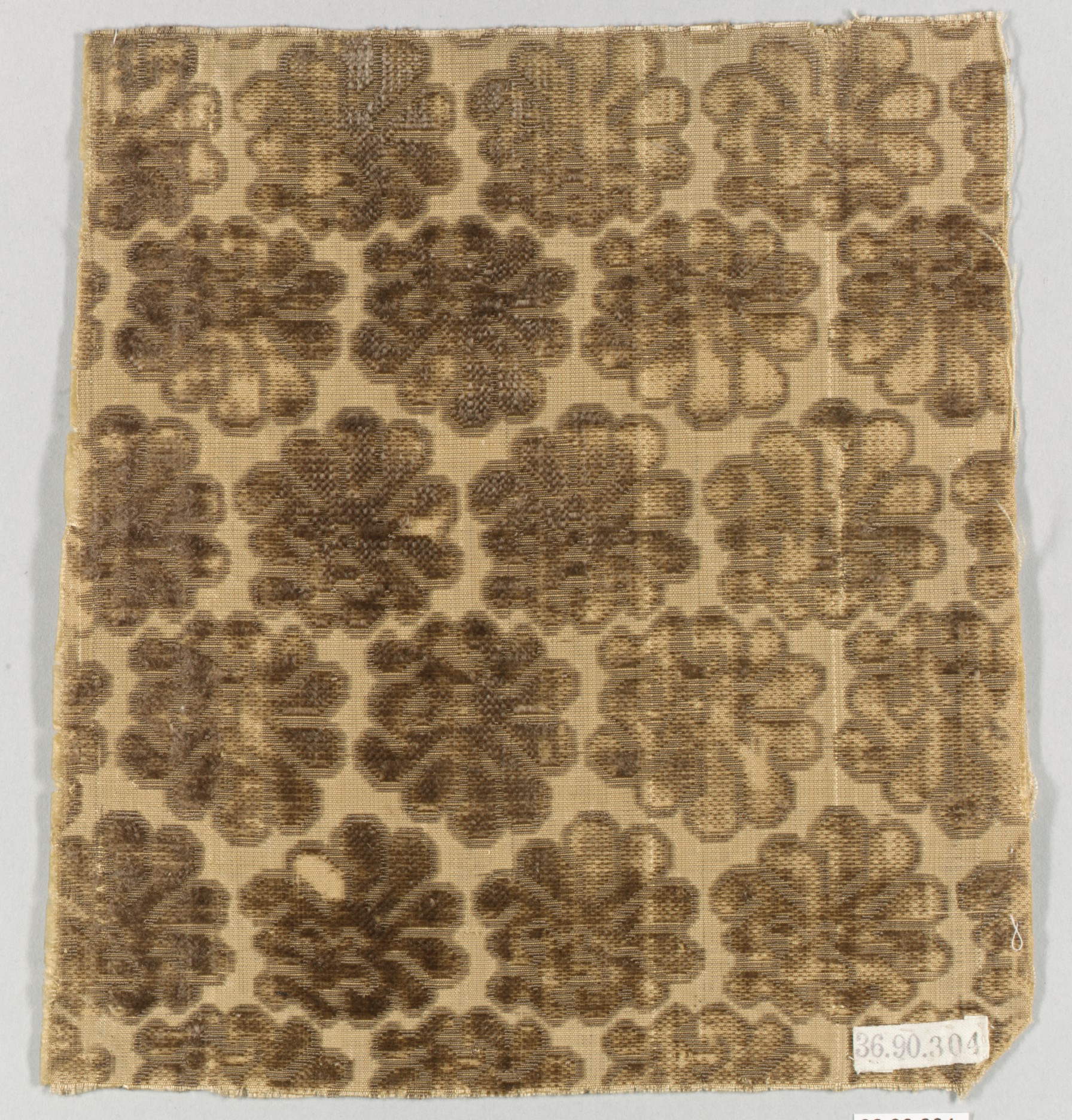
The Tapestry of Heritage: Deconstructing the "Silk Codex" Gown
In the rarefied ecosystem of haute couture, where craftsmanship meets narrative, Katherine Fashion Lab has unveiled a piece that demands a forensic level of analysis. Titled the "Silk Codex" Gown, this garment is not merely an article of clothing but a thesis on the intersection of global heritage and material science. As the Lead Curator, I present this standalone study to deconstruct how a single material—silk—can serve as a repository for centuries of cross-continental artistry, reimagined through a contemporary, MBA-informed lens of strategic design and cultural stewardship.
Material as Manuscript: The Silk Substrate
The gown’s foundation is a custom-woven silk charmeuse, sourced from a historic atelier in Como, Italy, yet the narrative of the fiber itself is profoundly global. The raw silk filament originates from a cooperative in the Zhejiang province of China, the cradle of sericulture. Katherine Fashion Lab’s procurement strategy here is a masterclass in supply-chain curation: by tracing the material back to its 5,000-year-old origins, the piece inherits the intangible heritage of the Silk Road. The fabric is then hand-dyed using a Kusaki-zome technique—a Japanese botanical dyeing process—using indigo from India and madder root from Turkey. This chromatic layering produces a deep, shifting aubergine hue that appears to change density under different light, a visual metaphor for the layered histories embedded within the thread.
The structural integrity of the gown is maintained by a hidden interior corset of unbleached silk organza, stiffened with a water-soluble, non-toxic resin. This decision reflects a strategic sustainability trade-off: the use of a biodegradable stiffener over traditional whalebone or plastic boning ensures the piece can be composted at the end of its lifecycle, aligning with the lab’s “Cradle-to-Couture” charter. The fabric’s weight—a precise 12 momme—was selected after 47 iterations to achieve a balance between fluid drape and architectural volume, demonstrating a rigorous prototyping discipline typical of high-margin, low-volume luxury production.
Global Heritage as Design Lexicon
The “Silk Codex” gown is a palimpsest of global motifs, each stitch a citation from a different cultural archive. The silhouette is a modified Byzantine dalmatica, a T-shaped tunic historically worn by emperors, reinterpreted with a modern, asymmetric hem that cascades into a train. The sleeves are inspired by the Joseon-era Korean hanbok, cut wide and voluminous, but here they are cinched at the wrist with cuffs embroidered with Mughal-inspired paisley motifs in gold-plated silk thread.
The bodice features a hand-embroidered map of the Silk Road, rendered in micro-sequins and seed pearls. The route begins in Xi’an, China, traced in silver thread, and winds through Samarkand, Baghdad, and Constantinople, ending in Venice. This cartographic embroidery is not decorative but semiotic: it functions as a literal narrative of the material’s journey. Katherine Fashion Lab’s creative director has noted that this was the most labor-intensive element, requiring 1,200 hours of handwork by a team of eight artisans from Uzbekistan, India, and France. The strategic choice to employ a geographically diverse atelier is a deliberate decentralization of craft authority, challenging the Eurocentric canon of haute couture.
Structural Alchemy: Engineering the Silhouette
From a technical standpoint, the gown’s architecture is a study in tension and release. The silk charmeuse, notorious for its slipperiness and fragility, is stabilized by a laser-cut internal scaffolding of recycled polyamide mesh, bonded to the silk using a heat-activated adhesive. This invisible infrastructure allows the fabric to hold a dramatic, sculptural fold at the hip—a technique borrowed from Issey Miyake’s pleating philosophy—without compromising the fluidity of the silk. The result is a silhouette that is simultaneously rigid and liquid, a paradox achieved through precision engineering.
The train, which extends 2.5 meters, is weighted at the hem with a chain of hand-hammered silver links, each stamped with a character from the Oracle Bone Script, an early form of Chinese writing. This weight creates a controlled fall, ensuring the train lies flat during movement rather than billowing uncontrollably. The chain also serves a functional acoustics role: as the wearer walks, the links produce a soft, metallic chime, an auditory layer that references the bells on traditional Mongolian horse regalia. This multisensory approach elevates the piece from a visual object to an experiential artifact.
Cultural Stewardship and Ethical Provenance
In an era where cultural appropriation is a critical liability for luxury brands, Katherine Fashion Lab’s treatment of global heritage is notably attributional. Every technique and motif is credited in a digital passport embedded in the gown’s lining via a QR-coded NFC tag. Scanning the tag reveals the names of the artisans, the villages where the materials were sourced, and the historical context of each design element. This transparency is not merely ethical window-dressing; it is a brand risk management strategy that preempts accusations of exploitation by transforming the garment into a platform for cultural education.
The economic model behind the “Silk Codex” is equally deliberate. Priced at $185,000, the gown is positioned as an investment asset, with a buy-back guarantee from the house after five years. This creates a secondary market that capitalizes on the piece’s collectible status, while the proceeds from resale are partially funneled back into the artisan cooperatives that supplied the materials. This closed-loop financial structure mirrors the cyclical nature of silk production itself, where the silkworm’s cocoon is both an end and a beginning.
Conclusion: A Paradigm for Slow Luxury
The “Silk Codex” Gown by Katherine Fashion Lab is a masterful synthesis of global heritage and material innovation. It rejects the fast-fashion imperative of disposability by embedding cultural depth, technical rigor, and ethical provenance into every fiber. For the connoisseur, it is a wearable archive; for the strategist, a case study in how to leverage heritage as a unique value proposition without commodifying it. In a market saturated with superficial references to “worldliness,” this piece stands as a testament to the power of slow, deliberate, and informed creation. It is not simply a gown—it is a codex, waiting to be read.