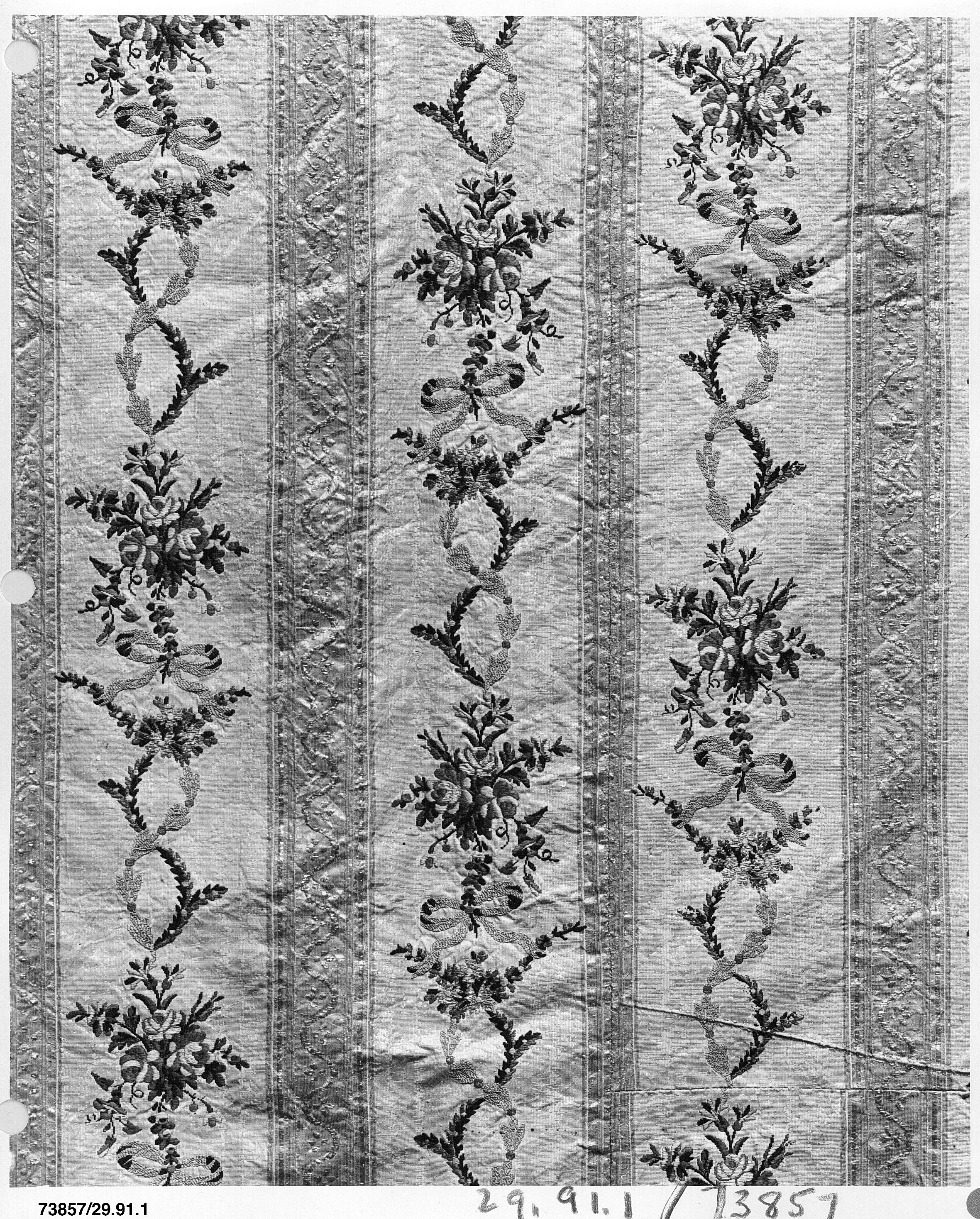
The Alchemy of Heritage: A Couture Analysis of Silk and Metal Thread
Introduction: The Art of Material Narrative
In the rarefied world of haute couture, where each stitch is a declaration of intent, the selection of materials transcends mere aesthetics. At Katherine Fashion Lab, the subject piece—a standalone study in silk and metal thread—emerges as a profound meditation on global heritage. This analysis dissects the garment not as a mere object of adornment but as a strategic artifact that marries artisanal tradition with contemporary luxury. The piece is a testament to the lab’s ethos: to transform raw materials into cultural currency, where silk whispers of ancient trade routes and metal thread echoes the resilience of human craftsmanship.
Material as Metaphor: The Duality of Silk and Metal
Silk, with its luminous drape and tactile softness, has long been the fabric of empires—from the Han Dynasty’s guarded sericulture to the Byzantine courts’ obsession with Chinese imports. In this piece, the silk is not merely a base; it is a canvas that captures light with a liquid grace, evoking the fluidity of water and the ephemerality of time. The choice of silk underscores a deliberate nod to heritage: it is a material that carries the weight of centuries, yet remains impossibly light. The lab’s sourcing of silk from multiple global regions—China, India, and Italy—imbues the garment with a layered provenance, each thread a conduit of cross-continental dialogue.
Metal thread, by contrast, introduces a structural rigor. Typically composed of fine strips of gold, silver, or copper wrapped around a silk or cotton core, this element is a hallmark of opulent couture traditions from Mughal India to Renaissance Europe. The lab employs a proprietary weaving technique that integrates the metal thread into the silk’s warp and weft, creating a lattice of shimmering resistance. This is not mere embellishment; it is a deliberate juxtaposition of fragility and strength. The metal thread catches light in sharp, angular reflections, disrupting the silk’s organic flow and introducing a tension that is both visual and conceptual. The result is a fabric that speaks to the duality of heritage: the softness of tradition and the hardness of progress.
Construction and Technique: The Architecture of Heritage
The construction of this piece is a masterclass in couture engineering. The garment is cut on the bias, allowing the silk to cascade in asymmetrical folds that mimic the natural drape of a sari or a kimono. This silhouette is a direct reference to global dress forms, yet it is rendered with a minimalist precision that feels distinctly modern. The metal thread is concentrated along the seams and hemlines, forming a geometric pattern reminiscent of ancient Islamic zellij tiles or Celtic knotwork. This is not accidental; the lab’s design team conducted extensive research into textile archives from the Silk Road, extracting motifs that resonate across cultures. The stitching itself is a study in restraint: each metal thread is hand-stitched using a technique called zardozi, a Persian embroidery method that requires hours of labor per square inch. The density of the metal thread increases toward the garment’s center, creating a gradient of opacity that guides the eye inward, as if toward a hidden core of meaning.
The structural integrity of the piece is maintained by a hidden framework of silk organza and horsehair braid, ensuring that the weight of the metal thread does not distort the silhouette. This invisible architecture is a signature of Katherine Fashion Lab’s approach: the marriage of heavy ornamentation with invisible support systems, echoing the way heritage itself is often borne by unseen structures—customs, rituals, and collective memory. The garment’s closure is a series of hand-carved mother-of-pearl buttons, each sourced from a different ocean, further reinforcing the global narrative.
Cultural Resonance: A Dialogue Across Time and Place
This piece is not a pastiche; it is a synthesis. The silk recalls the hanfu of ancient China, the sari of India, and the toile de Jouy of France, yet it belongs to none of these traditions exclusively. The metal thread evokes the brocade of the Ottoman Empire, the lame of 1920s flapper dresses, and the kente cloth of Ghana, but it does not replicate any single style. Instead, the lab creates a new lexicon of global heritage—one that speaks to the contemporary reality of cultural fluidity. The piece functions as a standalone study, meaning it is designed to be examined in isolation, free from the context of a collection or a runway show. This curatorial decision invites the viewer to engage with the garment as a museum artifact, encouraging a deep reading of its material and symbolic layers.
The choice of metal thread is particularly resonant in an era of digital saturation. In a world where value is increasingly abstract, this piece reasserts the tangibility of precious materials. The metal thread is not merely decorative; it is a statement of permanence and value. It resists the ephemerality of fast fashion, anchoring the garment in a tradition of heirloom quality. Yet, the use of silk—a material that can be damaged by light, moisture, and time—introduces a poignant fragility. This tension between durability and delicacy mirrors the condition of global heritage itself: traditions that are both resilient and vulnerable to erasure.
Strategic Implications for the Luxury Market
From a business perspective, this piece positions Katherine Fashion Lab at the vanguard of a new luxury paradigm. The garment eschews seasonal trends in favor of timelessness, appealing to a clientele that values provenance and craftsmanship over logo-driven status. The integration of global heritage is a strategic differentiator in a market saturated with homogenized luxury. By sourcing materials from multiple continents and employing techniques from diverse traditions, the lab creates a product that is inherently exclusive—not because of its price point, but because of the knowledge and labor embedded within it. This aligns with the growing consumer demand for cultural intelligence in luxury goods, where buyers seek objects that tell stories of connection rather than consumption.
The standalone study format also allows for a higher price elasticity, as the garment is positioned as an investment piece rather than a seasonal commodity. The lab can leverage this as a limited-edition offering, with each piece accompanied by a dossier documenting the origins of its silk and metal thread, the artisans involved, and the historical references. This narrative-driven marketing transforms the garment into a collectible, akin to fine art or antique jewelry. For the MBA-trained eye, this is a masterstroke of brand architecture: the piece becomes a beacon for the entire label, elevating its cachet and justifying premium pricing across all product lines.
Conclusion: The Future of Couture as Cultural Custodian
This piece from Katherine Fashion Lab is more than a garment; it is a thesis on the role of couture in preserving and reinterpreting global heritage. By weaving silk and metal thread into a cohesive whole, the lab demonstrates that luxury can be a vessel for cultural dialogue, not appropriation. The garment’s standalone status invites us to consider each thread as a line of code in a larger program of human creativity. As the fashion industry grapples with issues of sustainability, diversity, and authenticity, this piece offers a blueprint: to create objects of such profound material and symbolic integrity that they transcend their own era. In the end, the silk and metal thread are not just materials—they are the warp and weft of a narrative that binds us all, across time and place, in the shared endeavor of beauty.