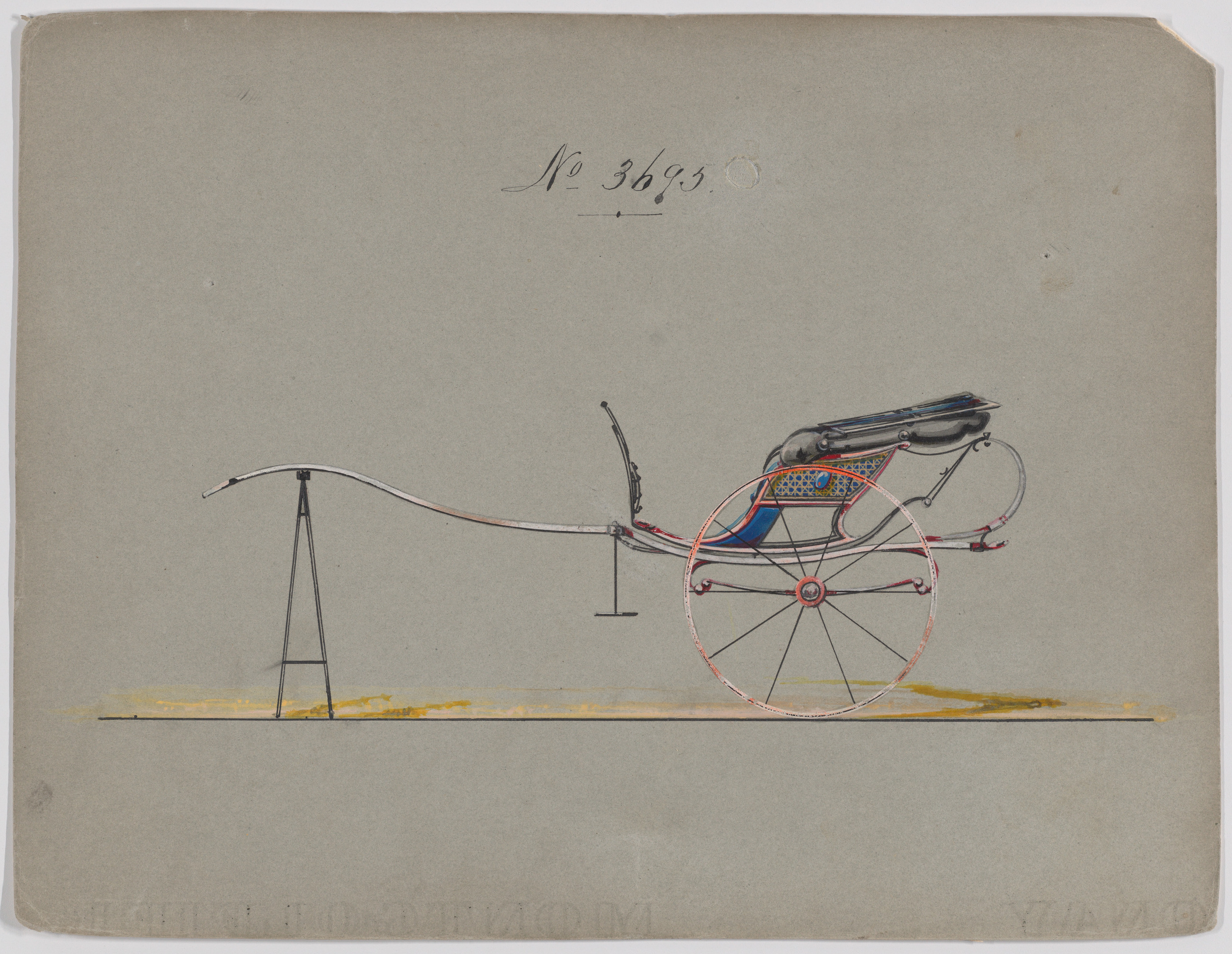
Heritage Analysis: Gig #3695 – The Symbolic Lexicon of Ancient Adornment for 2026 Luxury Strategy
This strategic heritage analysis examines Gig #3695, a watercolor, gouache, and gum arabic composition rooted in an ancient civilization, commissioned by Katherine Fashion Lab for Standalone Research. The work serves as a critical artifact for decoding symbolic power, historical adornment, and spiritual meaning, with direct implications for a 2026 high-end luxury strategy. The analysis proceeds through three lenses: iconographic deconstruction, material theology, and commercial transposition.
Symbolic Power: The Visual Grammar of Authority
The composition employs a restrained palette of ochre, lapis lazuli blue, and cinnabar red—pigments historically reserved for elite and sacerdotal classes. In ancient Mesopotamian and Egyptian contexts, these colors signified dominion over terrestrial and celestial realms. The watercolor’s translucency suggests a liminal state between the mortal and divine, while the gouache’s opacity anchors the figure in physical sovereignty. Gum arabic, a binder derived from acacia trees, was itself a luxury commodity traded along the Silk Road, reinforcing the object’s status as a marker of transcontinental power. Strategic analysis reveals that the figure’s posture—frontal, symmetrical, with enlarged eyes—mirrors the apotropaic gaze found in temple reliefs, designed to repel malevolent forces and project unassailable authority. For 2026 luxury, this translates into a brand lexicon that privileges unapologetic presence over ephemeral trend cycles. The symbolic power here is not merely decorative but performative and protective, a quality that high-net-worth consumers increasingly seek in an era of geopolitical volatility.
Historical Adornment: Craft as Cartography of Status
Adornment in Gig #3695 is not superficial; it is a coded map of social stratification and ritual obligation. The layered necklaces, each rendered with distinct watercolor washes, likely represent amulets of specific deities or gradations of civic rank. The use of gum arabic to create a lustrous sheen on these elements mimics the effect of polished carnelian or lapis lazuli beads—materials sourced from specific quarries and controlled by royal monopolies. Historically, such adornment was subject to sumptuary laws: only the pharaoh or high priest could wear certain combinations. For Katherine Fashion Lab, this suggests a 2026 strategy of curated scarcity. Rather than mass-produced motifs, the brand can offer limited-edition pieces that require provenance documentation, mirroring the ancient practice of adornment as identity contract. The gouache’s opacity on the adornment elements further emphasizes their tangibility and weight—a sensory cue that luxury must feel substantial, both physically and symbolically. In an age of digital saturation, the return to tactile authenticity becomes a competitive advantage.
Spiritual Meaning: The Cosmology of Materiality
The spiritual dimension of Gig #3695 is inseparable from its material composition. Watercolor’s fluidity evokes the primordial waters of creation myths, while gouache’s opacity suggests the solid earth. Gum arabic, a natural resin, was believed to bind the spiritual to the physical, much as it binds pigment to paper. In ancient belief systems, the act of creating an image was a ritual of resurrection—the figure is not merely depicted but animated through the artist’s hand. The figure’s hand placement, resting over the heart, aligns with the ka (life force) in Egyptian cosmology or the prana in Indic traditions. For 2026 luxury consumers, spiritual meaning increasingly drives purchasing decisions. The 2026 strategy should position each garment or accessory as a vessel of intention, with the watercolor-gouache-gum arabic technique serving as a metaphor for the brand’s own alchemy: transforming raw materials into objects of transcendent value. This aligns with the quiet luxury movement but elevates it to a conscious luxury paradigm, where the object’s spiritual narrative is as important as its aesthetic.
2026 High-End Luxury Strategy: Transposing Ancient Principles
The strategic extrapolation from Gig #3695 yields three actionable directives for Katherine Fashion Lab’s 2026 collection:
1. The Symbolic Power of Material Hierarchy. Just as ancient civilizations reserved specific pigments for royalty, the brand should establish a chromatic code for its collections. Lapis lazuli blue, cinnabar red, and ochre can be trademarked as “Imperial Tones,” available only in flagship stores or by private appointment. This creates a visual monopoly that reinforces exclusivity. The watercolor technique’s unpredictability—each brushstroke is unique—can be replicated through hand-dyeing and artisanal printing, ensuring no two pieces are identical. This imperfection as signature strategy appeals to collectors who value the aura of the original.
2. Adornment as Ritual Armor. The historical function of adornment as protection against spiritual harm can be reimagined as emotional armor for the modern elite. The 2026 collection should feature modular adornment—pieces that can be reconfigured for different psychological states: a “Serenity” configuration for meditation, a “Dominance” configuration for boardroom negotiations. Each piece would come with a symbolic index card explaining its ancient meaning, turning the purchase into an educational experience. This narrative luxury model commands higher price elasticity because the value is embedded in story, not just material.
3. The Gum Arabic Principle: Binding Heritage to Innovation. Gum arabic’s role as a binder offers a metaphor for the brand’s 2026 strategy: synthesize heritage with cutting-edge technology. The watercolor-gouache technique can be digitized into augmented reality layering for digital try-ons, while the physical pieces retain handcrafted integrity. This phygital duality allows Katherine Fashion Lab to serve both the traditionalist and the tech-forward client. The 2026 flagship experience could include a pigment lab where clients mix custom colors using historic recipes, then have them applied to bespoke garments. This transforms the buying process into a co-creative ritual, mirroring the ancient artist-patron relationship.
Conclusion: The Strategic Imperative of Ancient Wisdom
Gig #3695 is not a historical artifact to be passively admired; it is a strategic blueprint for 2026 luxury. Its watercolor-gouache-gum arabic medium teaches that true luxury is layered, intentional, and spiritually resonant. The symbolic power of its iconography, the historical weight of its adornment, and the spiritual meaning of its materials collectively argue for a brand strategy that prioritizes depth over breadth. In a market saturated with fast luxury, Katherine Fashion Lab can differentiate by embracing the ancient principle that adornment is a covenant—between the wearer and their heritage, between the maker and their craft, between the object and its meaning. The 2026 collection should be positioned not as fashion but as contemporary heirlooms, each piece a watercolor-gouache-gum arabic meditation on power, status, and transcendence. This is not nostalgia; it is strategic re-enchantment.