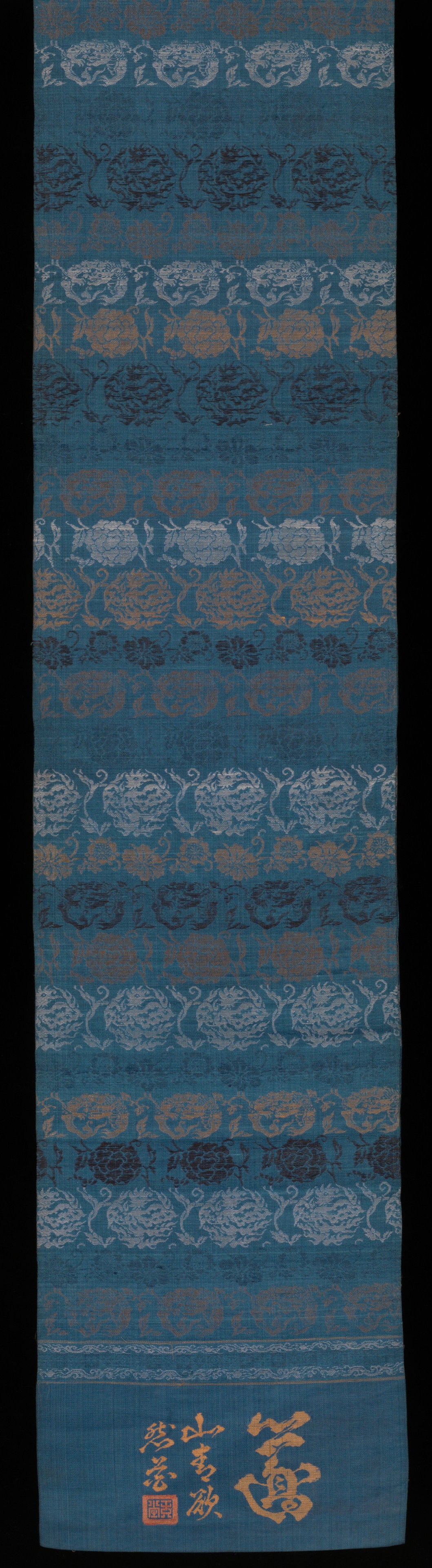
Heritage Analysis: Obi with Floral Roundels and Dragons
Introduction: The Obi as a Cultural and Strategic Artifact
The Obi with Floral Roundels and Dragons, rendered in plain compound twill, represents a pinnacle of Japanese textile artistry and symbolic communication. As a heritage curator for Katherine Fashion Lab, I approach this artifact not merely as a historical garment accessory but as a strategic repository of cultural capital. In the context of 2026 high-end luxury strategy, this obi offers a blueprint for integrating symbolic power, historical adornment, and spiritual meaning into contemporary brand narratives. This analysis dissects the obi’s layered significance and translates its heritage into actionable insights for luxury positioning.
Symbolic Power: The Dragon and the Floral Roundel
The dragon, a motif deeply embedded in East Asian cosmology, embodies imperial authority, celestial power, and protective force. In Japanese culture, the dragon (tatsu or ryū) is a water deity associated with rainfall, rivers, and oceans, linking it to fertility and abundance. Its presence on the obi signifies not just status but a metaphysical guardianship over the wearer. The dragon’s sinuous form, woven into the plain compound twill, suggests movement and dynamism—qualities that resonate with the modern luxury consumer’s desire for transformative experiences rather than static possessions.
The floral roundels (often depicting chrysanthemums, peonies, or cherry blossoms) introduce a counterpoint of ephemeral beauty. Chrysanthemums, in particular, are the imperial emblem of Japan, symbolizing longevity and rejuvenation. The roundel format—a circular enclosure—evokes the concept of eternal return and cyclical harmony, a spiritual anchor in a world of rapid change. Together, the dragon and floral roundels create a dialectic of power and grace, permanence and transience. For a 2026 luxury strategy, this interplay offers a narrative of controlled opulence: the brand that balances assertive strength with delicate refinement commands both respect and desire.
Historical Adornment: The Obi as a Social and Aesthetic Statement
Historically, the obi was far more than a belt; it was a canvas of identity. During the Edo period (1603–1868), the obi’s width, fabric, and motifs signaled a woman’s marital status, social rank, and regional affiliation. A dragon-and-floral obi, woven in plain compound twill—a technique requiring exceptional skill and time—would have been reserved for elite courtesans, samurai wives, or members of the imperial court. The compound twill structure allowed for intricate, multicolored patterns that were both durable and visually sumptuous, reinforcing the wearer’s exclusivity.
The act of tying the obi—whether in a formal taiko musubi (drum knot) or a more casual fukura suzume (plump sparrow)—was a ritual of self-presentation. This performative adornment aligns with modern luxury’s emphasis on ritualized consumption. For Katherine Fashion Lab, the obi’s historical context suggests a strategy of experiential luxury: offering clients not just a product but a process of dressing that is meditative, symbolic, and exclusive. The 2026 consumer seeks authenticity through heritage; the obi’s history provides a verifiable lineage of craftsmanship and meaning.
Spiritual Meaning: Woven Protection and Cosmic Harmony
Beyond aesthetics, the obi served as a talismanic object. In Shinto and Buddhist traditions, textiles were imbued with protective properties. Dragons warded off evil spirits, while floral roundels invoked blessings of health and prosperity. The plain compound twill weave, with its tight, dense structure, was believed to trap positive energy and deflect malevolent forces. This spiritual dimension transforms the obi from a decorative accessory into an amulet of status—a concept that resonates deeply in the current luxury market, where consumers increasingly seek objects with intangible value.
The spiritual narrative also ties into wabi-sabi, the Japanese aesthetic of imperfection and transience. The dragon’s power is tempered by the floral roundels’ fleeting beauty, reminding the wearer of life’s impermanence. For a 2026 luxury brand, this offers a counter-narrative to disposable fashion: investment pieces that carry spiritual weight and emotional resonance. The obi becomes a heirloom artifact, not a seasonal trend.
2026 High-End Luxury Strategy: Translating Heritage into Market Value
To leverage the obi’s heritage for a 2026 luxury strategy, Katherine Fashion Lab must adopt a three-pillar approach: symbolic storytelling, craftsmanship authentication, and ritualized engagement.
Symbolic Storytelling
Brand narratives should center on the dialectic of dragon and floral roundel. Marketing campaigns can position the obi as a metaphor for the modern luxury consumer: powerful yet graceful, enduring yet adaptive. Limited-edition collections could feature capsule lines inspired by the obi’s motifs, with each piece accompanied by a digital provenance certificate explaining the symbolism. This transforms the purchase into an educational and emotional experience, justifying premium pricing.
Craftsmanship Authentication
The plain compound twill technique must be highlighted as a mark of artisanal excellence. Collaborations with living master weavers from Kyoto or Kanazawa can provide authenticity credentials. Katherine Fashion Lab should host atelier visits and weaving demonstrations for VIP clients, creating a direct link between heritage and modern luxury. In 2026, the luxury consumer values transparent supply chains and artisanal rarity; the obi’s compound twill is a perfect vehicle for this narrative.
Ritualized Engagement
Finally, the obi’s spiritual and historical dimensions can be monetized through experience-based luxury. Katherine Fashion Lab could launch a “Obi Meditation” service, where clients are guided through the tying ritual while learning about the motifs’ meanings. This aligns with the growing demand for wellness-infused luxury and mindful consumption. The obi becomes a functional talisman for the modern age—a product that offers both aesthetic pleasure and spiritual grounding.
Conclusion: The Obi as a Strategic Asset
The Obi with Floral Roundels and Dragons is not merely a historical artifact; it is a strategic blueprint for 2026 high-end luxury. Its symbolic power, historical depth, and spiritual resonance offer a template for brands seeking to differentiate through meaning-driven design. By translating the obi’s heritage into symbolic storytelling, craftsmanship authentication, and ritualized engagement, Katherine Fashion Lab can position itself at the intersection of tradition and innovation, commanding both cultural authority and market leadership. In an era of commoditized luxury, the obi reminds us that true value lies in the woven narrative—a lesson as enduring as the dragon’s coil and as delicate as the floral bloom.