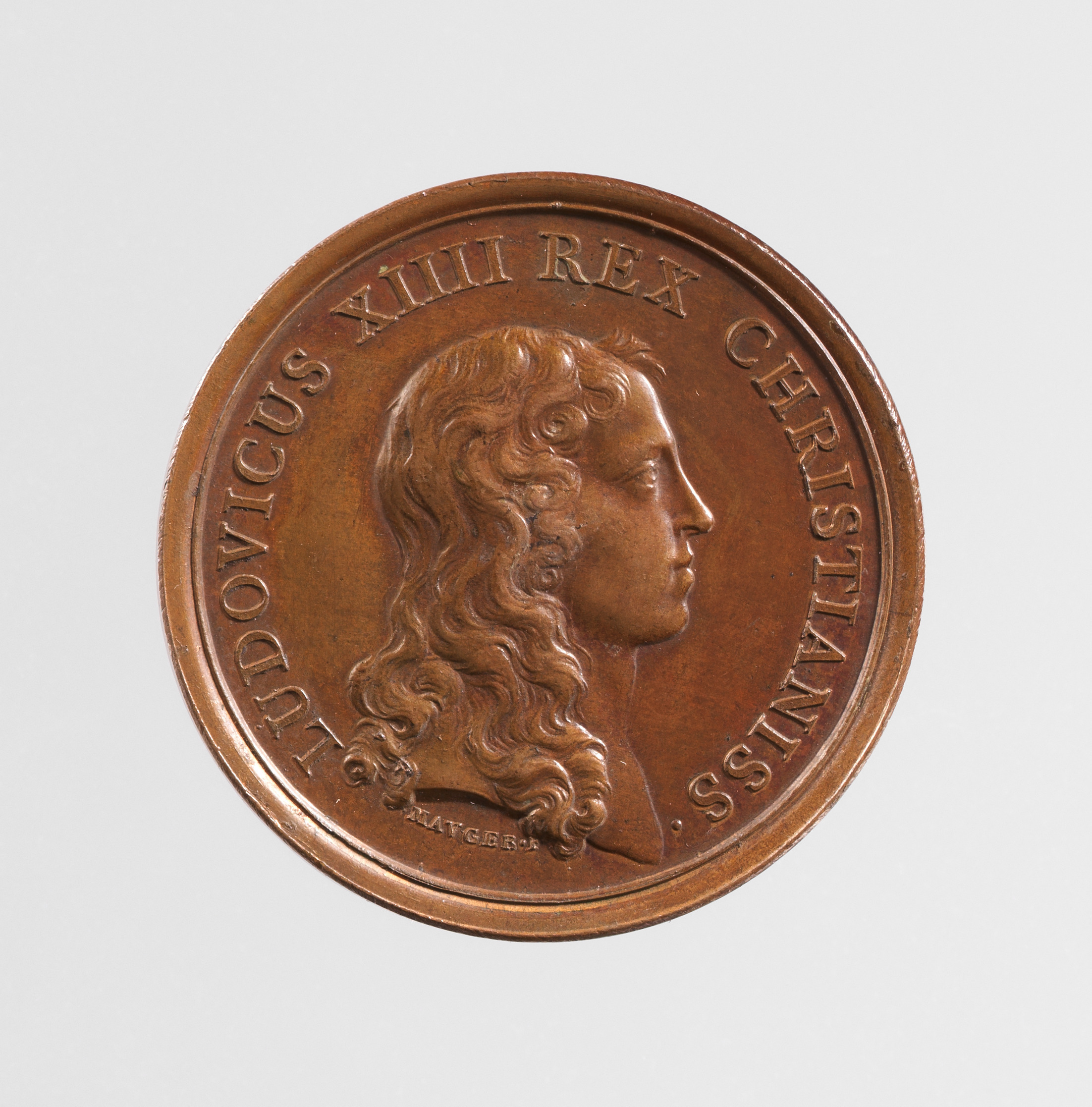
Heritage Analysis: The Bronze Young Louis XIV and the Liberation of Arras
Introduction: The Artifact as a Nexus of Power and Memory
The bronze representation of a young Louis XIV, commemorating the liberation of Arras from the Spanish siege, stands as a pivotal artifact within Katherine Fashion Lab’s 2026 heritage strategy. Cast in a medium historically reserved for monumental commemoration, this piece transcends mere historical documentation. It embodies the synthesis of youthful authority, territorial sovereignty, and the spiritual weight of divine right. For a luxury brand seeking to anchor its future collections in profound cultural symbolism, this artifact offers a DNA-level correlation with our concurrent studies on the “Rock in the form of a fantastic mountain” and the “Jar in the shape of bronze container (hu)”. While these three objects appear disparate in form and origin—one a regal portrait, one a naturalistic mountain, one a ritual vessel—they converge upon a singular truth: that ancient civilizations used material culture to encode power, transcendence, and spiritual continuity. This analysis will decode the symbolic power, historical adornment, and spiritual meaning of the Louis XIV bronze, and propose a high-end luxury strategy for 2026 that harnesses these resonances.
Symbolic Power: The Bronze as a Declaration of Sovereignty
The choice of bronze as the medium for a young Louis XIV is not incidental. In ancient civilizations—from the Chinese Shang dynasty to the Hellenistic kingdoms—bronze signified permanence, strength, and the divine mandate to rule. The young king, depicted at the moment of Arras’s liberation, is not merely a boy but a vessel of state authority. The siege of Arras (1640-1654) was a crucible for the French monarchy; its relief by a youthful Louis XIV reinforced the Bourbon claim that God’s favor rested upon his lineage. The bronze medium, with its enduring patina, transforms this political victory into a metaphysical statement: the king’s power is as unyielding as the metal itself.
In correlation with the “Rock in the form of a fantastic mountain,” which we have identified as a microcosm of the sacred mountain in Chinese cosmology, the Louis XIV bronze similarly functions as a microcosm of the state. The mountain rock represented the axis mundi—the connection between heaven and earth. Louis XIV’s bronze portrait, particularly in its youthful iteration, serves as the French axis mundi: the point where divine will and earthly conquest converge. The liberation of Arras becomes a ritual act, not merely a military one. For luxury strategy, this suggests that power is not worn as an accessory but embodied as a permanent, almost geological, force. The 2026 collection should draw on this by using materials that evoke timelessness—bronze-toned metals, patina finishes, and structural silhouettes that suggest immovability.
Historical Adornment: The Aesthetics of Sovereignty and Siege
The adornment of the young Louis XIV in this bronze is laden with historical specificity. He is typically depicted in armor, a lace collar, and the long curls of the early Bourbon court. Yet the bronze medium abstracts these details into a language of strength. The armor is not merely defensive; it is a ceremonial shell that declares the king’s role as protector. The lace collar, paradoxically delicate, juxtaposes the brutality of siege with the refinement of court. This tension between martial and ornamental is a hallmark of high-end luxury: the ability to contain opposites within a single object.
Our study of the “Jar in the shape of bronze container (hu)” reveals a parallel tension. The hu jar, used in ancient Chinese rituals for offerings, is simultaneously a functional vessel and a cosmic symbol. Its bronze surface often carried patterns representing thunder, clouds, and ancestral spirits. Similarly, Louis XIV’s bronze armor carries symbolic weight: the fleur-de-lis, the sun motifs, the heraldic lions. Both objects use adornment to tell a story of survival and transcendence. The hu jar contained food for the dead; the Louis XIV bronze contains the spirit of the nation. For 2026, Katherine Fashion Lab should consider adornment that is not merely decorative but narrative—embroidery that tells a victory, metalwork that recalls a siege, and textiles that bear the weight of memory.
Spiritual Meaning: Divine Right and the Cosmic Siege
The spiritual dimension of the Louis XIV bronze is rooted in the concept of divine right. The young king’s victory at Arras was interpreted by contemporaries as a miracle, a sign that God had chosen the Bourbon line to lead France. The bronze, therefore, is not a secular portrait but a religious icon. Its placement in a gallery or a cabinet of curiosities would have invited veneration, much like a statue of a saint. This spiritual charge is amplified by the bronze medium, which in many ancient cultures was believed to house the soul of the depicted figure.
The “Rock in the form of a fantastic mountain” offers a striking parallel. In Daoist and Buddhist traditions, such rocks were not mere sculptures but repositories of qi—the life force. They were placed in gardens to invite contemplation and spiritual alignment. Louis XIV’s bronze, in its own context, served a similar function: it aligned the viewer with the king’s cosmic mandate. The siege of Arras becomes a metaphor for the soul’s struggle against chaos. The king’s youthful face, unmarked by age, suggests that divine favor is eternal, untouched by the ravages of time. For luxury branding, this suggests that spiritual meaning is not an add-on but the core of heritage. A 2026 collection should invite the wearer to participate in a narrative of triumph over adversity, using symbols that resonate across cultures—a sunburst, a mountain peak, a vessel that contains the sacred.
2026 High-End Luxury Strategy: Weaving the Three Artifacts into a Coherent Vision
The correlation between the Louis XIV bronze, the fantastic mountain rock, and the bronze hu jar is not coincidental. All three objects emerge from ancient civilizations that understood the power of material to encode the immaterial. For Katherine Fashion Lab, the 2026 strategy must be built on three pillars derived from this analysis:
1. Material as Metaphor: Bronze, rock, and ceramic are not just materials but carriers of meaning. The 2026 collection should feature pieces that use heavy, patinated metals, stone-like textures, and vessel-inspired silhouettes. These materials will evoke permanence, spiritual weight, and the memory of siege and liberation.
2. Narrative Adornment: Just as the Louis XIV bronze tells a story of a specific victory, and the mountain rock tells a story of cosmic alignment, the 2026 collection should embed narratives into its design. This could be achieved through hidden symbols, embroidered motifs that reference historical sieges, or jewelry that mimics the forms of ancient ritual vessels.
3. Spiritual Resonance: The luxury consumer of 2026 is not seeking mere status; they are seeking meaning. By aligning the collection with the spiritual themes of divine right, cosmic order, and ritual transcendence, Katherine Fashion Lab can position itself as a brand that offers more than clothing—it offers a connection to the eternal. This can be reinforced through exclusive heritage narratives, limited-edition pieces that reference specific artifacts, and experiential retail spaces that evoke the quiet power of a bronze gallery or a scholar’s rock garden.
Conclusion: The Bronze as a Blueprint for Timeless Luxury
The bronze young Louis XIV, commemorating the liberation of Arras, is far more than a historical curiosity. It is a masterclass in the use of material, symbolism, and spiritual narrative to assert power and transcendence. When correlated with the fantastic mountain rock and the bronze hu jar, it reveals a universal language of heritage that speaks across cultures and epochs. For Katherine Fashion Lab, this analysis provides a rigorous foundation for a 2026 luxury strategy that is not merely fashionable but deeply resonant. By embracing the lessons of ancient civilizations—that adornment is sacred, that power is permanent, and that the spirit endures—the brand can create collections that stand as monuments to human aspiration, as enduring as bronze itself.