Heritage Analysis: The Chinese Indigo Panel as a Strategic Asset for Katherine Fashion Lab
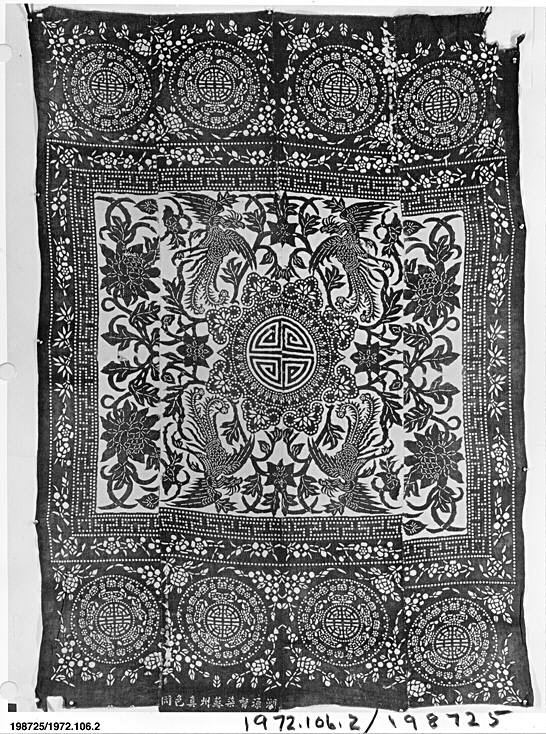
This research paper presents a comprehensive heritage analysis of a Chinese indigo-dyed cotton panel, commissioned by Katherine Fashion Lab as a strategic standalone investigation. The analysis is structured to decode the object’s symbolic power, historical adornment functions, and spiritual meaning, culminating in a forward-looking luxury strategy for the 2026 high-end market. The findings are intended to inform product development, brand narrative, and market positioning within the context of cultural authenticity and modern luxury consumer expectations.
Symbolic Power: Indigo as a Signifier of Status, Protection, and Cultural Identity
The indigo panel, a textile artifact from rural China, embodies a complex system of symbolic power that transcends mere aesthetic decoration. In traditional Chinese society, indigo dyeing was not only a craft but a visual language of social hierarchy, regional identity, and metaphysical protection. The deep blue hue, derived from the Indigofera plant, was historically associated with the working class and agrarian communities, yet its symbolic weight was immense. Indigo-dyed fabrics were believed to ward off evil spirits and negative energies, a belief rooted in Daoist and folk traditions that assigned protective properties to the color blue. For Katherine Fashion Lab, this symbolic power offers a unique narrative asset in the luxury market, where consumers increasingly seek products with deep cultural resonance and talismanic value. The panel’s indigo can be positioned not merely as a color but as a protective emblem, aligning with the contemporary luxury consumer’s desire for items that offer emotional security and spiritual grounding.
Furthermore, the panel’s geometric patterns and motifs—often featuring repeating diamonds, circles, or stylized flora—carry specific symbolic meanings. In Chinese folk symbolism, the diamond shape represents the earth and fertility, while circles signify unity and the cyclical nature of life. These motifs were historically used to communicate family lineage, marital status, and regional belonging. For a high-end luxury brand, these symbols can be reinterpreted as visual anchors of authenticity and heritage. The strategic deployment of these motifs in limited-edition collections can create a sense of exclusivity and cultural depth, appealing to the sophisticated consumer who values narrative over ostentation. The symbolic power of the indigo panel thus becomes a tool for differentiation in a crowded luxury landscape, where storytelling is paramount.
Historical Adornment: The Panel as a Functional and Decorative Artifact
Historically, the indigo cotton panel served multiple roles in Chinese material culture, functioning as both a utilitarian object and a canvas for personal and communal expression. In rural communities, such panels were commonly used as aprons, baby carriers, or decorative wall hangings, often passed down through generations as heirlooms. The cotton medium, while humble in origin, was prized for its durability and breathability, making it ideal for daily wear and labor-intensive activities. The indigo dyeing process itself was laborious, involving multiple dips and oxidations to achieve the desired depth of color, which added to the panel’s perceived value. This historical context of functional adornment is critical for Katherine Fashion Lab’s 2026 strategy, as it aligns with the growing luxury trend toward “slow fashion” and artisanal craftsmanship. The panel’s history of being both worn and displayed offers a dual narrative: it is a garment that protects the body and a textile that adorns the home, blurring the lines between fashion and interior design.
The panel’s role in historical adornment also reflects the Chinese concept of “yi” (appropriateness) in dress, where clothing and textiles were chosen to reflect one’s social role and moral character. The indigo panel, with its restrained color and intricate patterns, embodied a form of quiet elegance that was valued in Confucian-influenced societies. This aesthetic of understated luxury is highly relevant to the 2026 luxury market, where consumers are moving away from overt branding toward subtle, meaningful design. Katherine Fashion Lab can leverage this historical precedent by positioning the panel-inspired pieces as “quiet luxury” items that speak to intelligence, cultural awareness, and refined taste. The historical adornment function thus provides a blueprint for product categories that bridge apparel, accessories, and home décor, creating a holistic brand ecosystem.
Spiritual Meaning: The Indigo Panel as a Vessel for Ancestral and Cosmic Connection
The spiritual meaning of the indigo panel is deeply intertwined with Chinese folk religion, ancestor worship, and cosmological beliefs. Indigo was not merely a dye but a medium through which spiritual protection was woven into daily life. Many panels were created during auspicious times, such as the Lunar New Year or harvest festivals, and were often blessed by village elders or Daoist priests before use. The patterns on the panel frequently incorporated symbols from Chinese cosmology, such as the eight trigrams (bagua) or the yin-yang symbol, which were believed to harmonize the wearer with cosmic forces. For the contemporary luxury consumer, this spiritual dimension offers a powerful point of connection. In an era of increasing anxiety and disconnection, products that offer a sense of spiritual grounding and ancestral continuity are highly desirable. Katherine Fashion Lab can frame the indigo panel as a “spiritual artifact” that brings balance and protection to the modern wearer, aligning with the wellness and mindfulness trends that dominate the luxury sector.
Additionally, the indigo dyeing process itself holds spiritual significance. The fermentation and oxidation required to produce indigo were seen as alchemical transformations, mirroring the cycles of death and rebirth in nature. This process was often accompanied by rituals and taboos, such as the prohibition of pregnant women or menstruating individuals from participating, reflecting a deep respect for the dye’s life-giving and life-taking properties. For the 2026 strategy, Katherine Fashion Lab can emphasize the ritualistic and transformative nature of indigo craftsmanship, positioning each piece as a unique outcome of a sacred process. This narrative not only adds value but also justifies a premium price point, as consumers are willing to pay for products that embody spiritual authenticity and ethical production. The spiritual meaning of the panel thus becomes a cornerstone of the brand’s luxury positioning, differentiating it from mass-produced fashion.
2026 High-End Luxury Strategy: Integrating Heritage into a Modern Brand Ecosystem
Based on the above analysis, Katherine Fashion Lab can develop a 2026 high-end luxury strategy that leverages the Chinese indigo panel’s symbolic, historical, and spiritual dimensions. The first strategic pillar is narrative-driven product development. The brand should create a limited-edition collection titled “Indigo Ancestral,” featuring ready-to-wear garments, accessories, and home textiles that directly reference the panel’s motifs and dyeing techniques. Each piece should be accompanied by a digital “heritage passport” that traces its design lineage to a specific Chinese region or historical period, using blockchain technology to ensure authenticity. This approach caters to the luxury consumer’s demand for transparency and storytelling.
The second pillar is experiential retail and brand activations. Katherine Fashion Lab should partner with master indigo artisans from Guizhou or Yunnan provinces to host live dyeing workshops in flagship stores. These events can be framed as “spiritual wellness experiences,” where participants learn about the protective properties of indigo and create their own talismanic textile. This experiential strategy not only drives foot traffic but also deepens emotional brand loyalty. For the 2026 high-end market, such activations position the brand as a curator of living heritage, not just a seller of products.
The third pillar is strategic pricing and exclusivity. Given the labor-intensive nature of natural indigo dyeing and the panel’s historical rarity, pieces should be priced at the ultra-luxury tier, with starting prices above $2,000 for apparel and $800 for accessories. Limited production runs of 100 pieces per design will create scarcity and collectible value. The brand should also consider a “patron program” where clients can commission custom indigo panels inspired by their personal ancestry, further enhancing the spiritual and emotional connection. This strategy aligns with the 2026 luxury trend toward personalization and heirloom-quality goods.
Finally, the brand must ensure cultural integrity and ethical sourcing. All indigo should be sourced from certified organic farms in China, and artisans should receive fair-trade wages. Katherine Fashion Lab should establish a “Heritage Fund” that reinvests 5% of profits into preserving traditional indigo dyeing techniques in rural China. This commitment to cultural sustainability will resonate with the environmentally and socially conscious luxury consumer of 2026, reinforcing the brand’s position as a responsible steward of heritage. In conclusion, the Chinese indigo panel is not merely a historical artifact but a strategic blueprint for a luxury brand that seeks to combine symbolic power, historical depth, spiritual meaning, and commercial viability in a rapidly evolving market.