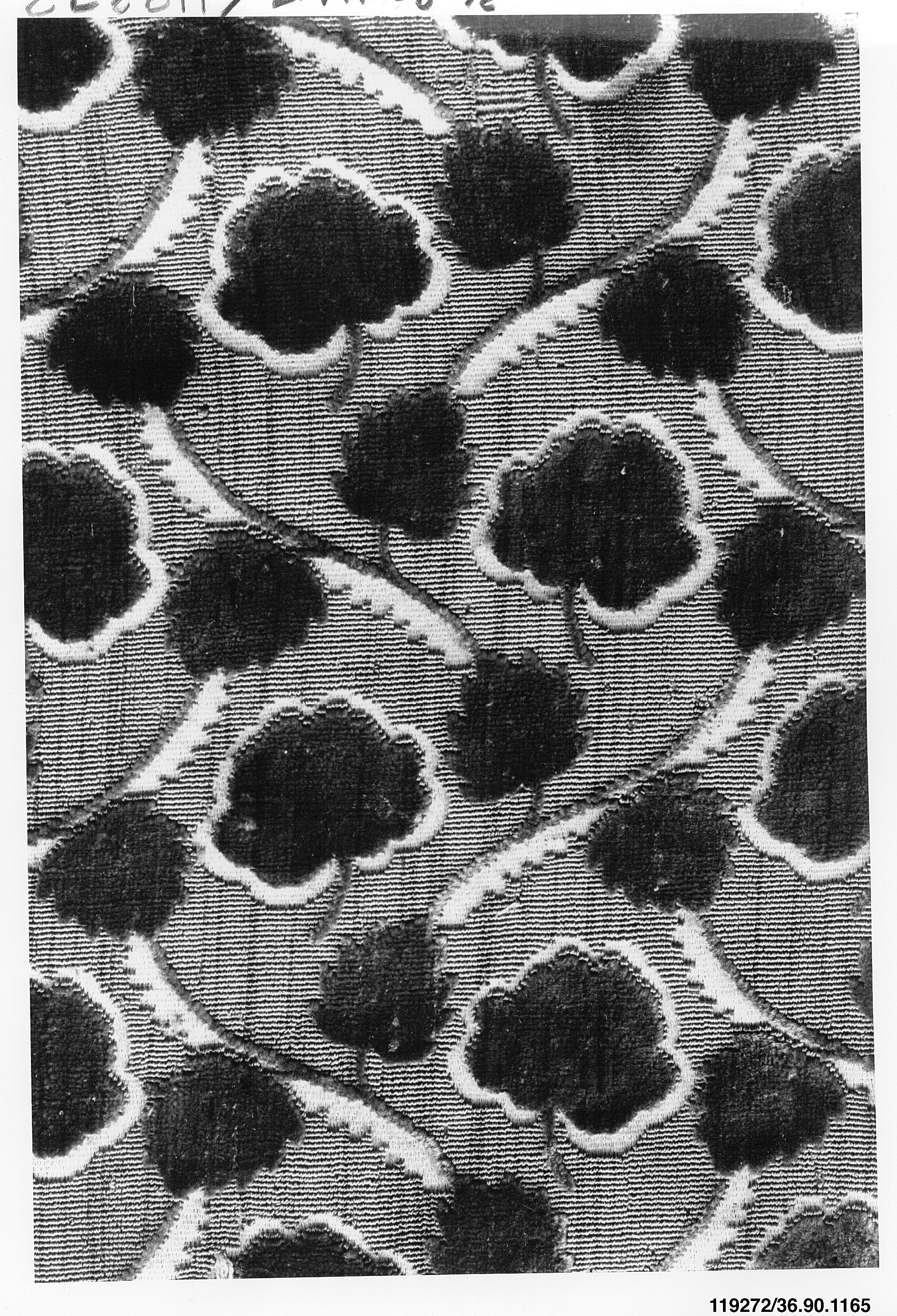
The Art of Heritage: A Couture Analysis of Silk as Global Narrative
In the rarefied world of haute couture, where fabric becomes philosophy and silhouette speaks of civilization, Katherine Fashion Lab presents a singular piece that transcends mere garment construction. This standalone study examines a silk-based couture creation that draws upon the rich tapestry of Global Heritage, transforming raw material into a dialogue between continents, centuries, and cultures. The piece, a floor-length architectural gown, serves as a masterclass in how couture can embody the intangible—history, migration, and the interwoven threads of human artistry.
Material as Memory: The Silk Imperative
Silk, the chosen medium, is no passive substrate. Its origins trace back over five millennia to Neolithic China, where sericulture was a guarded secret that eventually traversed the Silk Road, reshaping economies and aesthetics from Xi’an to Constantinople. Katherine Fashion Lab harnesses this legacy not as a decorative afterthought but as a structural and symbolic core. The silk used here is a custom-woven Muga blend, sourced from Assam, India, and finished in Lyon, France—a deliberate nod to the cross-continental journey that defines global heritage.
The fabric’s luminous, golden-amber hue is inherent to Muga silk, which cannot be dyed synthetically without losing its natural luster. This choice underscores the lab’s commitment to authenticity over artifice. The weave is a double-faced twill, offering both opacity and a subtle, liquid movement that catches light like monsoon rain on temple bells. In couture, silk is often reduced to a symbol of luxury; here, it is elevated to a repository of cultural memory, each thread carrying the weight of artisans who have spun, dyed, and stitched for generations.
Construction and Silhouette: The Architecture of Heritage
The piece is constructed using a zero-waste pattern, a technique that reflects both sustainability and the resource-conscious traditions of pre-industrial societies. The bodice is a corset-like structure, but softened—eschewing steel boning for hand-stitched channels of silk organza, which mold to the torso while allowing breathability. This hybridity mirrors the fusion of East and West: the corset’s European lineage meets the organic drape of South Asian sari pleating.
The skirt cascades into a train of twelve meters, each meter representing a major silk-producing region: China, India, Japan, Italy, France, Thailand, Uzbekistan, Brazil, Iran, Vietnam, Turkey, and Madagascar. These are not mere panels but narrative zones, embroidered with motifs from each region’s textile heritage—Chinese cloud dragons, Indian paisley, Japanese seigaiha waves, Italian Renaissance pomegranates. The embroidery is executed in silk floss and gold thread, using techniques ranging from Japanese nuido to French broderie d’art.
The waist is cinched by a sash of hand-knotted silk cords, inspired by the obi of Japan and the patka of Mughal India. This sash is not merely decorative; it functions as a structural anchor, distributing the weight of the train across the hips. Such engineering echoes the principles of ergonomic design found in historical court attire, where beauty and mobility were reconciled through rigorous craftsmanship.
Cultural Dialogues: Embroidering Global Narratives
What distinguishes this piece from mere pastiche is its critical engagement with cultural exchange. The embroidery motifs are not randomly selected; they are arranged chronologically along the train, tracing the historical spread of sericulture. The hem begins with the earliest known silk fragments from China’s Yangshao culture (c. 5000 BCE), rendered in microscopic stitches of raw silk thread. As the eye moves upward, the motifs transition to the Silk Road’s Hellenistic influences—Greek key patterns adopted by Central Asian weavers—then to Byzantine and Sassanian designs, and finally to the Baroque opulence of 17th-century French courts.
This is not a linear, colonial narrative but a dialogic one. The lab deliberately includes motifs that challenge dominant histories: the ikat patterns of Uzbekistan, often erased from Western fashion history, are given prominence alongside the more familiar French fleur-de-lis. The piece thus becomes a counter-archive, asserting that heritage is not a monolith but a contested, fluid conversation.
Notably, the piece incorporates a small, almost hidden panel at the back of the neckline—a fragment of Kente cloth from Ghana, woven from silk imported from China in the 18th century. This subtle inclusion reframes the transatlantic trade as a complex web of agency, where African artisans transformed foreign materials into symbols of sovereignty. The lab’s research team worked with weavers in Bonwire, Ghana, to replicate the original 18th-century weave structure, ensuring that the reference is not extractive but collaborative.
Wearability and the Body: The Couture Experience
Couture is, ultimately, a relationship between garment and wearer. This piece demands a ritual of dressing that evokes historical practices. The wearer must first don a silk underdress, then the main gown, and finally the sash—a process that takes approximately 30 minutes with assistance. This slow dressing is intentional, forcing a mindfulness that counters contemporary fast fashion’s disposability.
The tactile experience is equally deliberate. The inner lining is a habotai silk, cool against the skin, while the outer twill offers resistance to the touch—a tension between comfort and structure. The train’s weight, approximately 4.5 kilograms, requires the wearer to adopt a deliberate, stately gait. This is not a garment for haste; it is a garment for presence. In this, the piece echoes the ceremonial functions of historical court dress, where clothing was a medium of power and communication.
The closure system is invisible, secured by a series of hand-sewn silk loops and mother-of-pearl buttons—a technique known as enclosed seam in haute couture. This ensures that the garment’s surface remains unbroken, allowing the embroidery to flow without interruption. Such details are invisible to the casual observer but are the very essence of couture’s craftsmanship ethos.
Conclusion: A Standalone Statement on Global Heritage
Katherine Fashion Lab’s silk couture piece is not a costume or a museum relic; it is a living argument for the relevance of heritage in contemporary design. By grounding its construction in zero-waste principles, ethical sourcing, and collaborative research, the lab demonstrates that global heritage is not a static collection of motifs to be appropriated but a dynamic resource for innovation. The piece challenges the fashion industry to move beyond tokenism and engage with the deep histories that materials carry.
In an era where fast fashion erases provenance and homogenizes aesthetics, this garment stands as a testament to the power of the singular. It is a reminder that couture, at its best, is not about exclusivity but about depth—the depth of a fabric’s journey, the depth of a stitch’s meaning, and the depth of a culture’s contribution to the global imagination. For the wearer, it is an education; for the observer, an invitation to reconsider what fashion can be: a woven chronicle of our shared humanity.