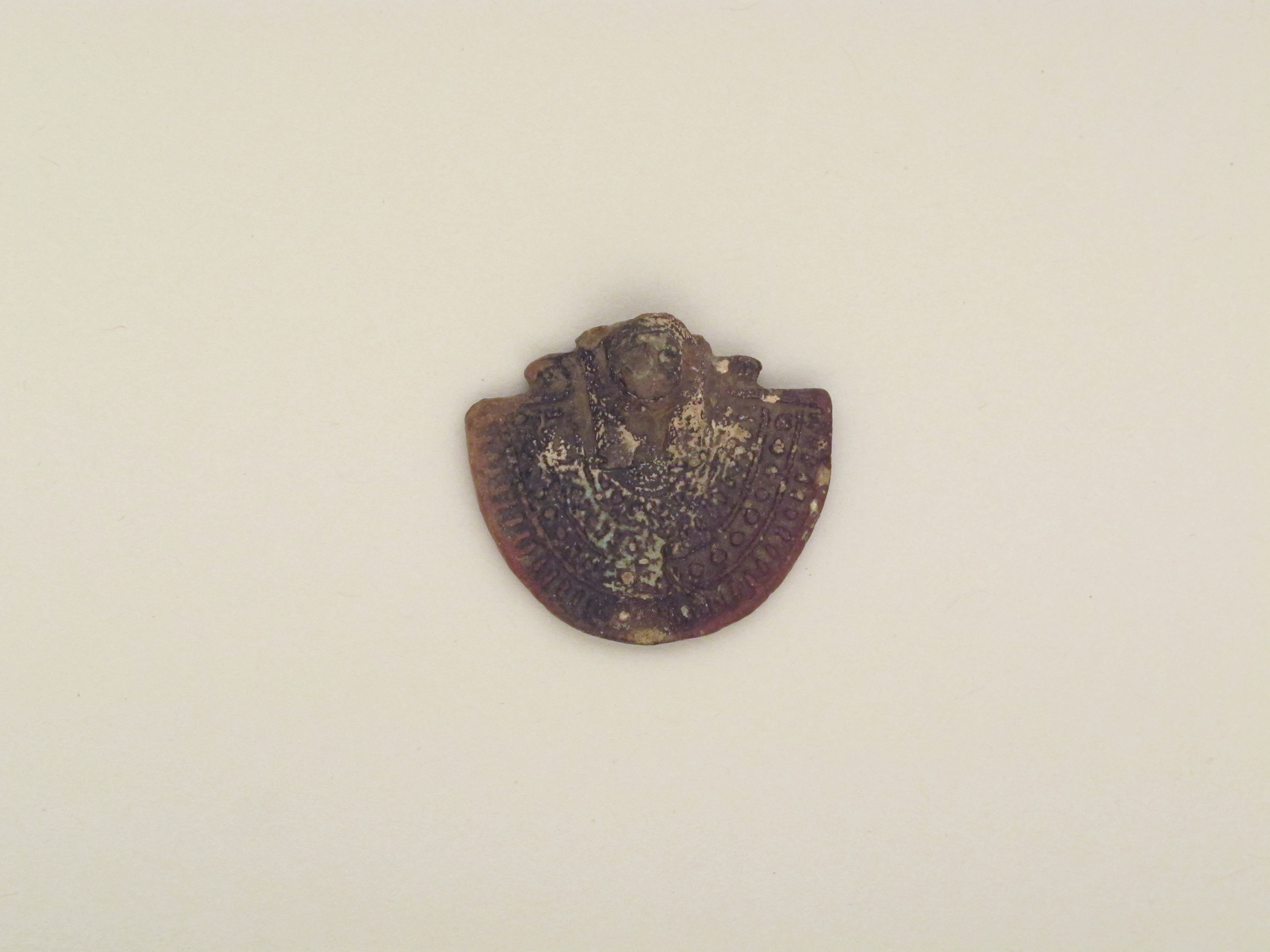
Heritage Analysis: Faience Aegis Pectoral with Lion Head
As Lead Heritage Curator for Katherine Fashion Lab, I present this strategic heritage analysis of the Faience Aegis Pectoral with Lion Head, an artifact of profound symbolic resonance from ancient Egypt. This object, crafted in vibrant blue-green faience, represents a confluence of spiritual authority, protective adornment, and elite status—attributes that offer a rich foundation for 2026 high-end luxury strategy. The following analysis dissects its symbolic power, historical context, and spiritual meaning, culminating in actionable insights for Katherine Fashion Lab’s luxury positioning.
Symbolic Power and Iconography
The aegis form, a broad collar or pectoral worn over the chest, was a hallmark of divine and royal regalia in ancient Egypt. The inclusion of a lion head—likely representing the goddess Sekhmet, the lioness deity of war, protection, and healing—imbues this pectoral with dualistic power. Sekhmet embodied both destructive fury and curative grace, making her a potent symbol of controlled strength. For Katherine Fashion Lab, this duality offers a strategic narrative: luxury as both a shield and a statement. The lion head’s fierce gaze and open maw, rendered in faience’s luminous glaze, convey dominance and vigilance, aligning with high-end consumers’ desire for pieces that project authority without overt aggression.
In ancient Egyptian iconography, the lion was also associated with the pharaoh’s role as the protector of Ma’at (cosmic order). Wearing this pectoral signified the wearer’s alignment with divine justice and leadership. For modern luxury, this translates to a brand ethos of curated power—where each piece from Katherine Fashion Lab signals the wearer’s refined judgment and inner strength. The aegis’s placement over the heart further underscores its role as a talisman of courage, linking physical adornment to emotional resilience.
Historical Adornment and Craftsmanship
Faience, a non-clay ceramic material composed of crushed quartz, alkali, and colorants, was a hallmark of Egyptian innovation. Its vibrant blue-green hue, achieved through copper oxide, symbolized rebirth, fertility, and the Nile’s life-giving waters. The pectoral’s production required meticulous molding, glazing, and firing—a process that demanded both technical mastery and spiritual intention. Artisans often inscribed amuletic texts on the reverse, charging the object with protective spells. For Katherine Fashion Lab, this craftsmanship narrative is critical: faience represents the intersection of artisanal precision and metaphysical purpose, a blueprint for 2026 luxury that prioritizes rarity, skill, and storytelling.
Historical records indicate that pectorals like this were worn by high-ranking officials, priests, and royalty during rituals, festivals, and funerary practices. They were not mere ornaments but functional tools for navigating the afterlife. The lion-headed aegis, in particular, was a common element in temple dedications, where it served as a votive offering to Sekhmet. This context elevates the pectoral beyond fashion into a realm of sacred utility—a concept Katherine Fashion Lab can leverage by framing its collections as “armor for modern life,” blending aesthetic allure with psychological protection.
Spiritual Meaning and Ritual Function
The spiritual dimension of the Faience Aegis Pectoral with Lion Head is inseparable from its materiality. Faience’s glistening surface was believed to reflect the sun’s rays, linking the wearer to Ra, the sun god, and to the eternal cycle of day and night. The lion head, as Sekhmet’s avatar, channeled her “Eye of Ra” aspect—a destructive force that also purifies and heals. This paradox is central to the pectoral’s spiritual power: it protects the wearer from chaos while empowering them to confront adversity. For a 2026 luxury audience, this resonates with the growing demand for “meaningful consumption”—pieces that offer not just status but emotional and spiritual grounding.
In funerary contexts, such pectorals were placed over the mummy’s chest to guard the heart during the Weighing of the Heart ceremony. The lion-headed aegis would invoke Sekhmet’s favor, ensuring the heart’s lightness against the feather of Ma’at. This narrative of judgment and transcendence aligns with contemporary luxury’s focus on legacy and authenticity. Katherine Fashion Lab can position its lion-head motifs as symbols of inner truth and resilience, appealing to clients who view jewelry as a testament to their personal journey.
Strategic Implications for 2026 High-End Luxury
Material Storytelling and Exclusivity
The faience medium offers a unique material language for Katherine Fashion Lab. Its ancient, labor-intensive production process can be reinterpreted through modern sustainable practices—using recycled glass, mineral pigments, and hand-glazing techniques. This aligns with 2026 luxury trends favoring artisanal heritage and environmental consciousness. A limited-edition “Faience Revival” collection, featuring lion-head pectorals in cobalt blue, turquoise, and emerald glazes, would command exclusivity. Each piece could be accompanied by a digital provenance certificate, detailing its craft lineage and symbolic meaning, appealing to collectors who value narrative over volume.
Symbolic Positioning in Brand Identity
The lion head’s dual symbolism—protection and power—can anchor Katherine Fashion Lab’s brand ethos. For 2026, luxury consumers seek brands that embody “soft power”: strength tempered by wisdom. Marketing campaigns could juxtapose the pectoral’s ancient protective function with modern contexts: a CEO wearing it during negotiations, an artist donning it at a gallery opening. This narrative positions the piece as a talisman for high-stakes environments, reinforcing the brand’s role as a curator of confidence.
Ritualized Consumer Experience
Ancient Egyptians believed pectorals were activated through ritual anointing and incantations. Katherine Fashion Lab can translate this into a bespoke unboxing experience: a ceramic vessel containing the pectoral, accompanied by a hand-rolled papyrus scroll detailing its spiritual meaning. For VIP clients, private “activation ceremonies” with a curator could deepen emotional attachment. This strategy taps into the 2026 luxury trend of experiential ownership, where the purchase is a journey, not a transaction.
Cross-Cultural Collaborations
The lion-headed aegis’s Egyptian roots can inspire collaborations with contemporary artists from North Africa and the diaspora. A capsule collection co-designed with Cairo-based artisans or digital artists reimagining hieroglyphs would honor the artifact’s heritage while pushing aesthetic boundaries. Such partnerships elevate Katherine Fashion Lab’s cultural capital, positioning it as a bridge between ancient wisdom and modern innovation.
Conclusion
The Faience Aegis Pectoral with Lion Head is more than a historical relic; it is a strategic archetype for luxury that fuses symbolism, craftsmanship, and spirituality. For Katherine Fashion Lab, this analysis reveals a clear path: to create pieces that are not merely worn but inhabited—objects that protect, empower, and transcend. By channeling the lion’s ferocity and faience’s luminosity, the brand can lead 2026 luxury into an era of meaningful adornment, where every piece carries the weight of millennia and the promise of personal transformation.