Heritage Analysis: The Kimono as a Strategic Artifact for Katherine Fashion Lab
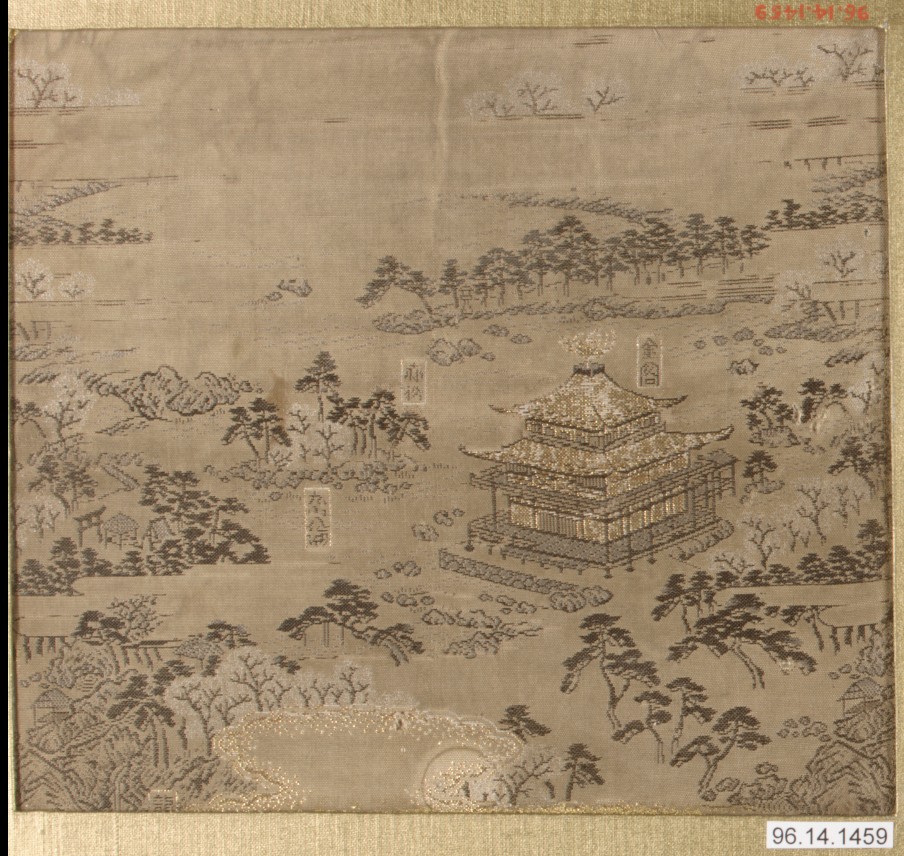
This heritage analysis examines the Japanese kimono—specifically a silk example from the Edo period (1603–1868)—as a strategic artifact for Katherine Fashion Lab’s 2026 high-end luxury strategy. The kimono is not merely a garment; it is a repository of symbolic power, a testament to historical adornment, and a vessel for spiritual meaning. By deconstructing its heritage, Katherine Fashion Lab can distill timeless principles that inform a differentiated, culturally resonant luxury positioning for the upcoming season.
Symbolic Power: The Kimono as a System of Communication
In Japanese culture, the kimono functions as a sophisticated non-verbal language, encoding the wearer’s social status, age, marital status, and even seasonal awareness. Every element—from the fabric’s weight to the pattern’s placement—carries deliberate meaning. For instance, a silk kimono adorned with cranes symbolizes longevity and good fortune, while pine motifs represent resilience and renewal. The obi (sash) knot style further communicates formality: the taiko knot is reserved for married women, whereas the fukura suzume knot signifies youth and celebration.
This symbolic system elevates the kimono beyond aesthetic appeal into a strategic tool for identity assertion. For Katherine Fashion Lab, this principle can be leveraged in 2026 by embedding layered symbolism into luxury collections. Rather than overt branding, the house can employ coded motifs—such as a discreet embroidered kiku (chrysanthemum) for longevity or a shippo (seven treasures) pattern for abundance—that resonate with culturally literate clientele. This approach transforms garments into conversation pieces, reinforcing exclusivity and connoisseurship, two cornerstones of high-end luxury.
Historical Adornment: The Evolution of Silken Prestige
Historically, silk was a monopoly of the elite in Japan. During the Heian period (794–1185), the imperial court dictated strict sumptuary laws, reserving pure silk for the aristocracy. By the Edo period, the rise of the merchant class democratized access, yet the quality of silk—its weave, dye, and finish—remained a marker of distinction. The rinzu (damask) weave and yūzen (hand-painted resist dye) techniques required extraordinary craftsmanship, with a single kimono often taking months to complete. This labor intensity imbued each garment with an aura of rarity that modern fast fashion cannot replicate.
For Katherine Fashion Lab’s 2026 strategy, historical adornment offers a blueprint for craftsmanship-led storytelling. The house can revive artisanal techniques—such as kumihimo (braided cords) or shibori (tie-dye)—as signatures of bespoke luxury. By partnering with Japanese master artisans, Katherine Fashion Lab can produce limited-edition silk pieces that honor tradition while integrating modern silhouettes. This not only validates the brand’s commitment to cultural heritage but also creates scarcity value, a critical driver of desirability in the high-end market.
Spiritual Meaning: The Kimono as a Sacred Object
Beyond its social functions, the kimono carries profound spiritual significance. In Shintō and Buddhist traditions, silk was considered a pure material, often used for ceremonial robes and temple offerings. The act of wearing a kimono was a ritual of purification, with the garment’s layers symbolizing the wearer’s connection to the divine. The furisode (long-sleeved kimono), worn by unmarried women, was believed to ward off evil spirits through its flowing sleeves. Similarly, the uchikake (bridal over-robe) was adorned with auspicious motifs like cranes and tortoises to bless the union with longevity.
This spiritual dimension can be harnessed by Katherine Fashion Lab to create emotionally resonant luxury experiences. In 2026, the brand can introduce a “Ritual Collection” that incorporates Shintō-inspired elements: silk garments with kagami mochi (mirror rice cake) motifs for protection, or omamori (amulet) pockets sewn into linings. By framing these pieces as talismanic objects, Katherine Fashion Lab taps into the growing consumer desire for meaning over materialism. This aligns with the 2026 luxury trend of “spiritual opulence,” where high-net-worth individuals seek products that offer both aesthetic beauty and metaphysical value.
2026 High-End Luxury Strategy: Synthesizing Heritage and Innovation
To operationalize these insights, Katherine Fashion Lab must adopt a three-pillar strategy for 2026:
Pillar 1: Symbolic Curation
Develop a “Motif Lexicon” that translates traditional Japanese symbols into contemporary luxury codes. For instance, the seigaiha (wave) pattern can be reinterpreted as a geometric jacquard on silk evening gowns, representing resilience and flow. Each piece should include a digital heritage tag (via NFC or QR code) that explains the motif’s meaning, enhancing the customer’s sense of discovery and ownership.
Pillar 2: Artisan Alliances
Establish exclusive partnerships with Kyoto-based silk weavers and katazome (stencil dye) masters. These collaborations should be marketed as “Living Heritage” capsules, with a maximum of 50 pieces per design. The narrative should emphasize the intergenerational knowledge behind each garment, positioning Katherine Fashion Lab as a guardian of intangible cultural heritage.
Pillar 3: Ritual Retail Experience
Redesign flagship stores to include a “Kimono Atelier” where clients can participate in a guided ritual of selection and dressing. This experience should incorporate kōdō (incense ceremony) and sado (tea ceremony) elements, transforming the purchase into a multisensory journey. The final act—donning the silk garment—should be framed as a moment of personal transformation, echoing the spiritual function of the traditional kimono.
Conclusion: The Kimono as a Strategic Compass
The Japanese silk kimono is far more than a historical artifact; it is a strategic compass for Katherine Fashion Lab’s 2026 high-end luxury strategy. By embracing its symbolic power, honoring its historical craftsmanship, and reimagining its spiritual meaning, the brand can create a differentiated luxury proposition that resonates with discerning global clients. This approach not only elevates the house’s cultural authority but also ensures that each silk piece carries the weight of heritage—a currency that will define the future of luxury.