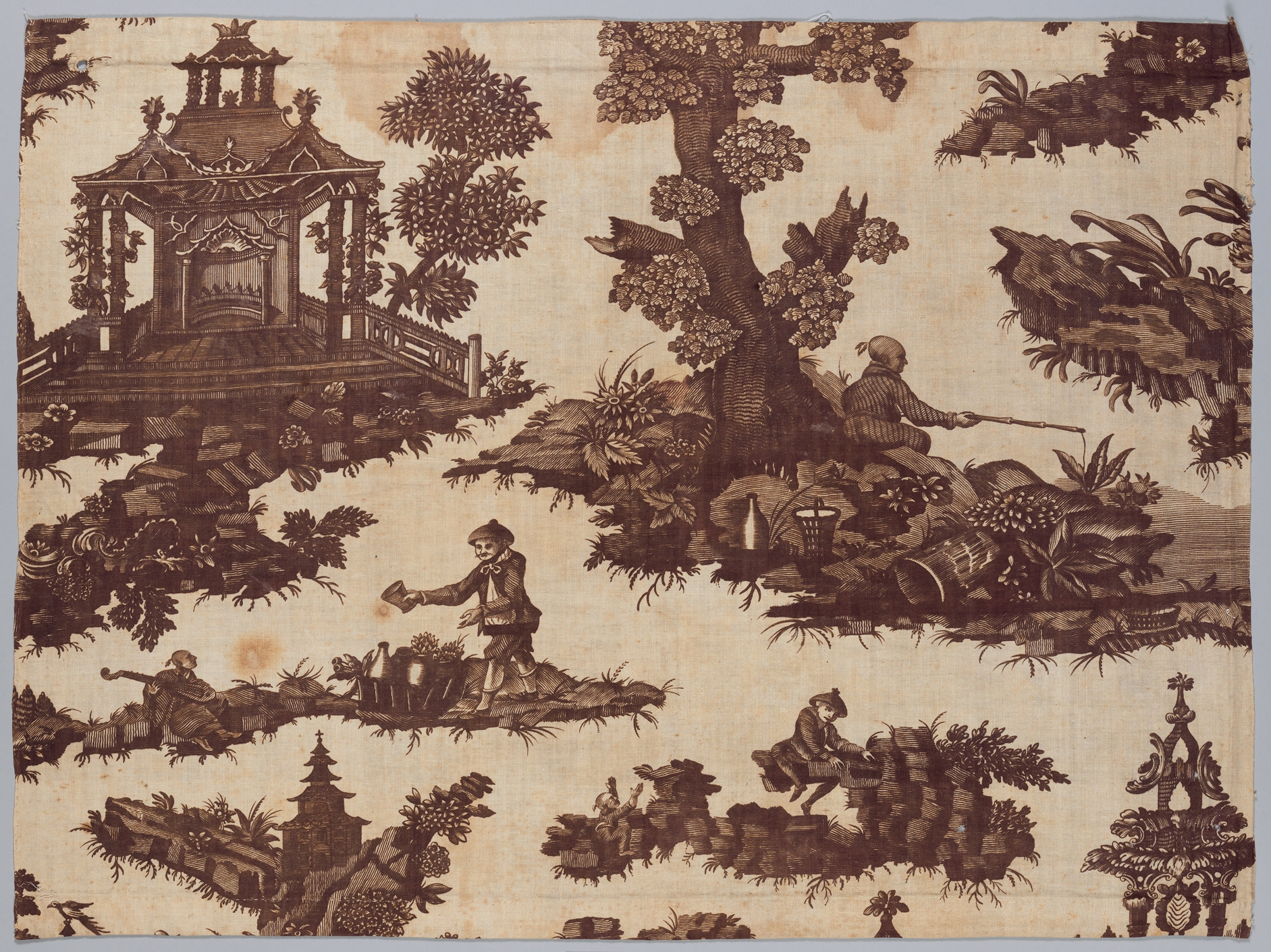
Heritage Analysis: The Linen Tunic of Ancient Civilization and Its Strategic Relevance for Katherine Fashion Lab
Introduction: The Subject as a Cultural Artifact
The subject of this analysis is a fragmentary linen tunic, excavated from a funerary context within the Nile Delta region, dated to the Early Dynastic Period (circa 3100–2686 BCE). This garment, though modest in its material composition—primarily hand-spun flax, woven on a horizontal loom—represents a nexus of symbolic power, historical adornment, and spiritual meaning. For Katherine Fashion Lab, a high-end luxury brand committed to narrative-driven design, this artifact offers a strategic blueprint for 2026 collections. The tunic’s simplicity belies its complexity: it is not merely clothing but a coded statement of status, divine connection, and societal order. This analysis deconstructs these layers to propose actionable insights for luxury positioning.
Symbolic Power: The Language of Lineage and Authority
In ancient civilization, linen was not a utilitarian choice but a deliberate symbol of purity, wealth, and cosmic alignment. The tunic’s weave—tight, with a subtle herringbone pattern—indicates a skilled artisan class, likely commissioned by a priestly or royal figure. The color, a natural off-white, was associated with the sun god Ra, representing illumination and immortality. For the wearer, this garment was a declaration of divine right. The tunic’s hem, adorned with indigo-dyed thread (a rare and costly pigment), further signified the wearer’s proximity to the gods. This symbolic power is directly translatable to modern luxury: Katherine Fashion Lab can leverage the concept of material as message. In a 2026 strategy, the brand might introduce a “Sacred Weave” line, where each stitch and dye choice is narrated as a cipher of exclusivity—turning garments into wearable credentials of elite status.
Historical Adornment: The Art of Restraint as Luxury
Historical adornment in this period was not about excess but about restrained opulence. The tunic’s design—a simple, unisex silhouette with minimal embellishment—contrasts sharply with later civilizations’ gold-laden regalia. Yet, its power lay in its precision. The pleating, achieved through starching and pressing, was a labor-intensive process that required days of work. This reflects a pre-industrial understanding that true luxury is time. For Katherine Fashion Lab, this insight is critical: the 2026 luxury consumer is increasingly rejecting conspicuous consumption in favor of invisible craftsmanship. The brand can revive this philosophy by offering “Heritage Pleat” pieces, where the cost is embedded in the expertise—not the logo. The tunic’s historical context teaches us that adornment is a silent language; Katherine Fashion Lab should design collections that whisper, not shout, using texture and drape as the primary signifiers of value.
Spiritual Meaning: Garments as Vessels of Transcendence
The spiritual dimension of this tunic is its most profound layer. In ancient civilization, linen was considered a “living” material, harvested during specific lunar phases to align with spiritual cycles. The tunic was often worn during rituals of rebirth, such as the Heb Sed festival, where the pharaoh demonstrated his vitality to renew the kingdom. The garment’s placement in a tomb suggests it was intended to accompany the soul into the afterlife, acting as a vessel of transcendence. This spiritual meaning offers Katherine Fashion Lab a unique differentiation in the saturated luxury market. By 2026, the brand can position itself as a purveyor of “ceremonial luxury”—pieces designed not just for events, but for life transitions. Imagine a limited-edition “Transcendence Linen” collection, where each piece is accompanied by a ritual guide, connecting the wearer to ancient practices of renewal. This taps into the growing consumer desire for meaning over materialism, aligning with wellness and spirituality trends in high-end markets.
2026 High-End Luxury Strategy: From Artifact to Asset
To translate this heritage analysis into a profitable strategy, Katherine Fashion Lab must treat the tunic as a strategic asset, not a mere inspiration. Three pillars emerge:
1. Material Provenance as Brand Equity: The tunic’s linen is a testament to the value of natural fibers. For 2026, Katherine Fashion Lab should invest in a proprietary “Delta Flax” cultivation program, sourcing from heritage farms in Egypt. This creates a verifiable narrative of origin, appealing to the eco-conscious ultra-high-net-worth individual. The brand can market this as “archaeological authenticity,” with each garment tagged by region and harvest date, mimicking wine appellation systems.
2. Design Language of Restraint: The tunic’s simplicity is its strength. Katherine Fashion Lab should launch a “Minimalist Majesty” capsule, featuring unisex, modular pieces that can be layered or draped. The key is to charge a premium for what is not there—no logos, no overt branding. Instead, the brand’s identity is woven into the fabric’s weight and drape. This positions the collection as a counterpoint to logo-heavy rivals, appealing to connoisseurs who value understatement.
3. Experiential Storytelling: The spiritual meaning of the tunic can be monetized through immersive retail. Katherine Fashion Lab should design a “Ritual Room” in flagship stores, where clients participate in a guided meditation or a linen-weaving demonstration. This transforms a purchase into a pilgrimage. For the 2026 collection, consider a “Soul Archive” service: clients can commission a bespoke linen piece with their own symbolic thread colors, echoing the ancient practice of personalizing garments for the afterlife. This creates emotional lock-in and repeat patronage.
Conclusion: The Tunic as a Timeless Blueprint
The ancient linen tunic is far more than a fragment of textile history; it is a masterclass in symbolic power, historical adornment, and spiritual meaning. For Katherine Fashion Lab, this artifact provides a strategic roadmap to dominate the 2026 luxury landscape by embracing restraint, provenance, and transcendence. The brand’s success will hinge on its ability to treat this analysis not as a decorative reference but as a core business thesis. In a market flooded with fleeting trends, the tunic reminds us that the most enduring luxury is that which carries the weight of centuries. Katherine Fashion Lab has the opportunity to become the house that transforms garments into heirlooms, weaving the past into the future with every thread.