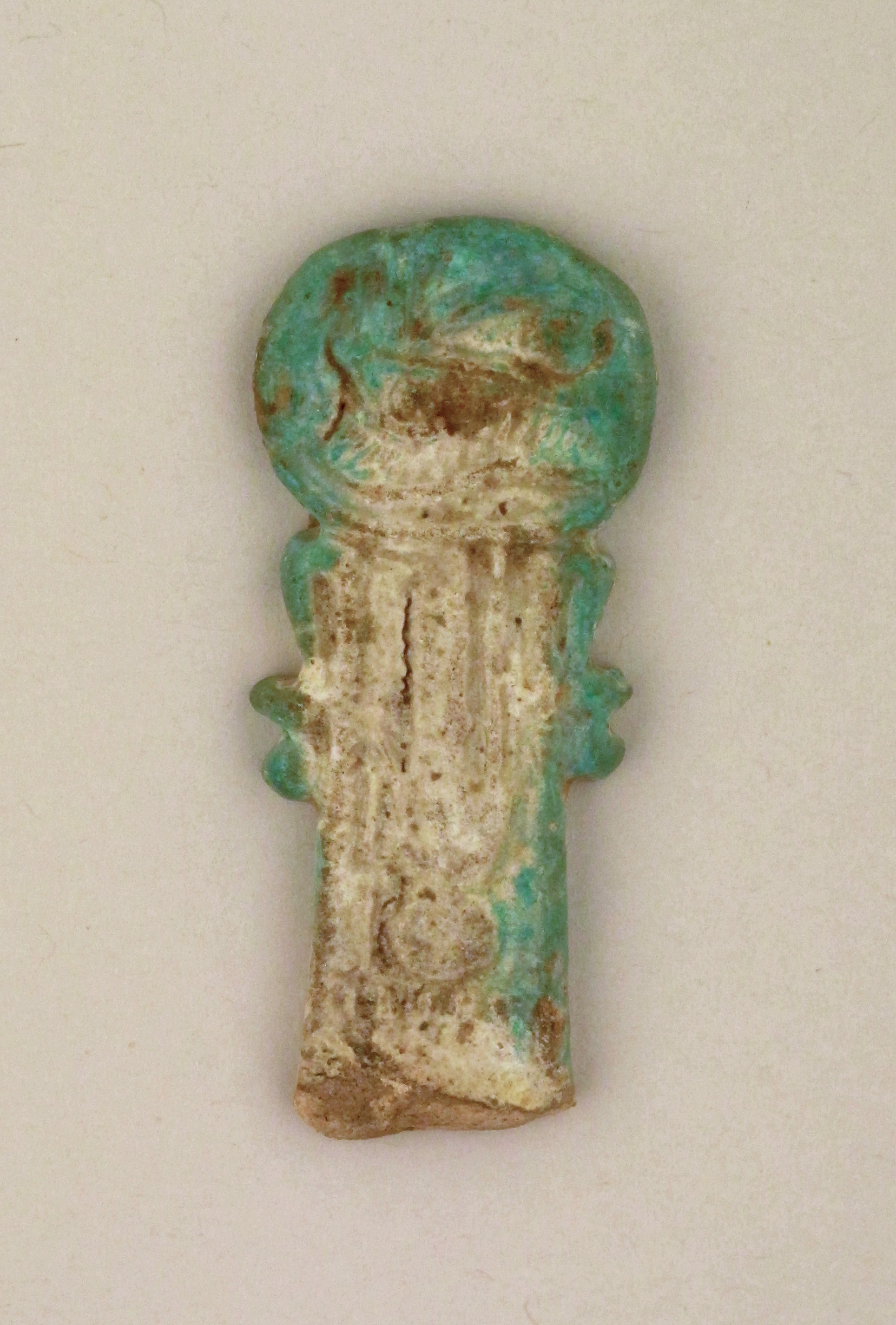
Heritage Analysis: The Menat Amulet Pendant in Faience
Introduction: The Menat as a Cultural Artifact of Power and Protection
The menat, a distinctive counterpoise for necklaces in ancient Egyptian culture, represents far more than an ornamental accessory. Crafted predominantly from faience—a self-glazing, non-clay ceramic material prized for its luminous blue-green hue—the menat amulet pendant embodies a convergence of spiritual authority, protective symbolism, and social status. For Katherine Fashion Lab, understanding the menat’s layered heritage offers a strategic foundation for high-end luxury positioning in 2026, where authenticity, narrative depth, and cultural resonance define market leadership.
This analysis examines the menat’s symbolic power, its role in historical adornment, its spiritual meaning within Egyptian cosmology, and a forward-looking strategy for integrating these elements into a luxury collection that transcends mere fashion to become wearable heritage.
Symbolic Power: The Menat as a Conduit of Divine Energy
In ancient Egypt, the menat was not merely a decorative object; it was a potent symbol of life, rebirth, and divine favor. The term “menat” itself is derived from the Egyptian root *mn*, meaning “to endure” or “to remain,” underscoring its association with eternity. Typically worn by goddesses, priestesses, and elite women, the menat served as a counterweight to heavy bead necklaces, but its function extended into the ritual sphere. When shaken during ceremonies, the menat produced a sound believed to awaken the gods and channel protective energy.
Key symbolic attributes include:
- Fertility and Rebirth: The menat’s association with the goddess Hathor, patron of love, music, and motherhood, linked it to cycles of creation and renewal.
- Protection Against Malevolent Forces: In funerary contexts, menat amulets were placed on mummies to safeguard the deceased in the afterlife, ensuring safe passage through the Duat (underworld).
- Royal Authority: Pharaohs and high-ranking officials wore menats to signify divine endorsement, with the pendant often inscribed with hieroglyphs invoking the gods’ blessings.
For Katherine Fashion Lab, this symbolic architecture offers a rich lexicon for modern luxury: the menat can be reimagined as a talisman of empowerment, resilience, and timeless elegance—qualities that resonate deeply with discerning consumers seeking meaning beyond aesthetics.
Historical Adornment: Craftsmanship and Material Significance
Faience, the medium of the menat, is a technological marvel of the ancient world. Composed of crushed quartz, alkaline salts, and a binding agent, faience was fired to produce a vitreous, glass-like surface. Its signature turquoise or cobalt blue color, achieved through copper or cobalt oxides, was associated with the Nile’s life-giving waters and the sky goddess Nut. The material’s durability and luminous finish made it ideal for amulets intended to last for eternity.
Historical adornment practices reveal:
- Hierarchy of Use: Faience menats were accessible to a broader social spectrum than gold or lapis lazuli counterparts, yet their spiritual value remained equally profound. This democratization of sacred adornment underscores the menat’s universal appeal.
- Ritual Integration: Menats were often part of larger ceremonial ensembles, including sistra (rattles) and mirrors, used in temple rites. The pendant’s weight and shape facilitated rhythmic movement, enhancing its role in dance and music.
- Funerary Significance: Thousands of faience menats have been unearthed in tombs, particularly from the New Kingdom (circa 1550–1070 BCE), indicating their critical role in afterlife preparation.
For contemporary luxury, the menat’s material heritage offers a blueprint for sustainable, artisanal production. Faience’s natural origins and handcrafted nature align with the growing demand for ethical luxury, while its historical cachet provides a narrative of endurance and craftsmanship that mass-produced items cannot replicate.
Spiritual Meaning: The Menat in Egyptian Cosmology
The spiritual dimension of the menat is inseparable from Egyptian religious thought. The amulet was believed to embody the *ka* (life force) of the wearer, acting as a protective vessel that absorbed negative energy and channeled divine grace. Key spiritual functions include:
- Connection to Hathor: As a symbol of the goddess, the menat facilitated communication between the mortal and divine realms. Wearing it was an act of devotion, inviting Hathor’s blessings of joy, fertility, and protection.
- Rebirth and Regeneration: In the Book of the Dead, menat amulets are depicted as tools for resurrection. The sound of the menat during rituals was thought to mimic the primordial chaos from which creation emerged, linking it to cosmic renewal.
- Amuletic Function: Unlike mere jewelry, the menat was activated by intention. Inscriptions, often including the *wedjat* eye or ankh symbol, amplified its protective potency. The pendant’s placement on the chest—over the heart—was deliberate, as the heart was considered the seat of the soul.
This spiritual framework offers Katherine Fashion Lab a powerful positioning tool: the menat can be presented not as a decorative object but as a “wearable philosophy,” inviting the modern consumer to engage with concepts of protection, renewal, and inner strength. In an era of anxiety and uncertainty, such resonance is invaluable.
2026 High-End Luxury Strategy: Translating Heritage into Market Leadership
To leverage the menat’s heritage for 2026, Katherine Fashion Lab must adopt a strategy that balances historical authenticity with contemporary luxury sensibilities. The following framework outlines actionable steps:
Product Development: The Menat as a Signature Icon
Design Language: Reinterpret the menat’s classic counterpoise shape—a curved, elongated form—using modern materials such as matte gold, oxidized silver, or hand-painted enamel. Retain the faience-inspired color palette of turquoise, cobalt, and celadon, but introduce subtle gradients and textures to evoke the ancient glaze effect. Each piece should include a discreet hieroglyphic inscription (e.g., *ankh* for life or *djed* for stability) to honor the amuletic tradition.
Limited Edition Series: Launch a “Hathor Collection” of 100 numbered menat pendants, each accompanied by a certificate of authenticity detailing its symbolic meaning and historical provenance. This scarcity model aligns with high-net-worth consumers’ desire for exclusivity and narrative ownership.
Brand Storytelling: Ritual and Experience
Immersive Campaigns: Develop a digital and in-store experience that educates consumers on the menat’s ritual use. For example, a short film depicting a modern dancer performing a choreographed “menat ritual” could evoke the pendant’s historical function. The campaign’s tagline—“Wear the Eternal”—positions the piece as a bridge between past and present.
Collaborations: Partner with Egyptologists and contemporary artists to co-create content that deepens the menat’s cultural relevance. A capsule collection with a renowned jeweler specializing in ancient techniques could further authenticate the offering.
Pricing and Positioning: The Value of Meaning
Price Architecture: Position the menat pendant at $8,000–$15,000, reflecting its status as a collectible artifact rather than a fashion accessory. This pricing tier targets the “cultural connoisseur” segment—consumers who prioritize provenance and symbolism over trend-driven design.
After-Sale Engagement: Offer a “Heritage Care” program, including restoration services, archival documentation, and access to exclusive lectures on Egyptian symbolism. This transforms the purchase into an ongoing relationship with the brand.
Conclusion: The Menat as a Blueprint for Timeless Luxury
The faience menat amulet pendant is more than an ancient relic; it is a testament to humanity’s enduring need for protection, meaning, and beauty. For Katherine Fashion Lab, integrating this heritage into a 2026 luxury strategy offers a unique opportunity to lead with substance. By honoring the menat’s symbolic power, historical craftsmanship, and spiritual depth, the brand can create a product that resonates on intellectual and emotional levels—a true artifact for the modern age. In a market saturated with transient trends, the menat stands as a reminder that the most enduring luxury is that which carries the weight of history.