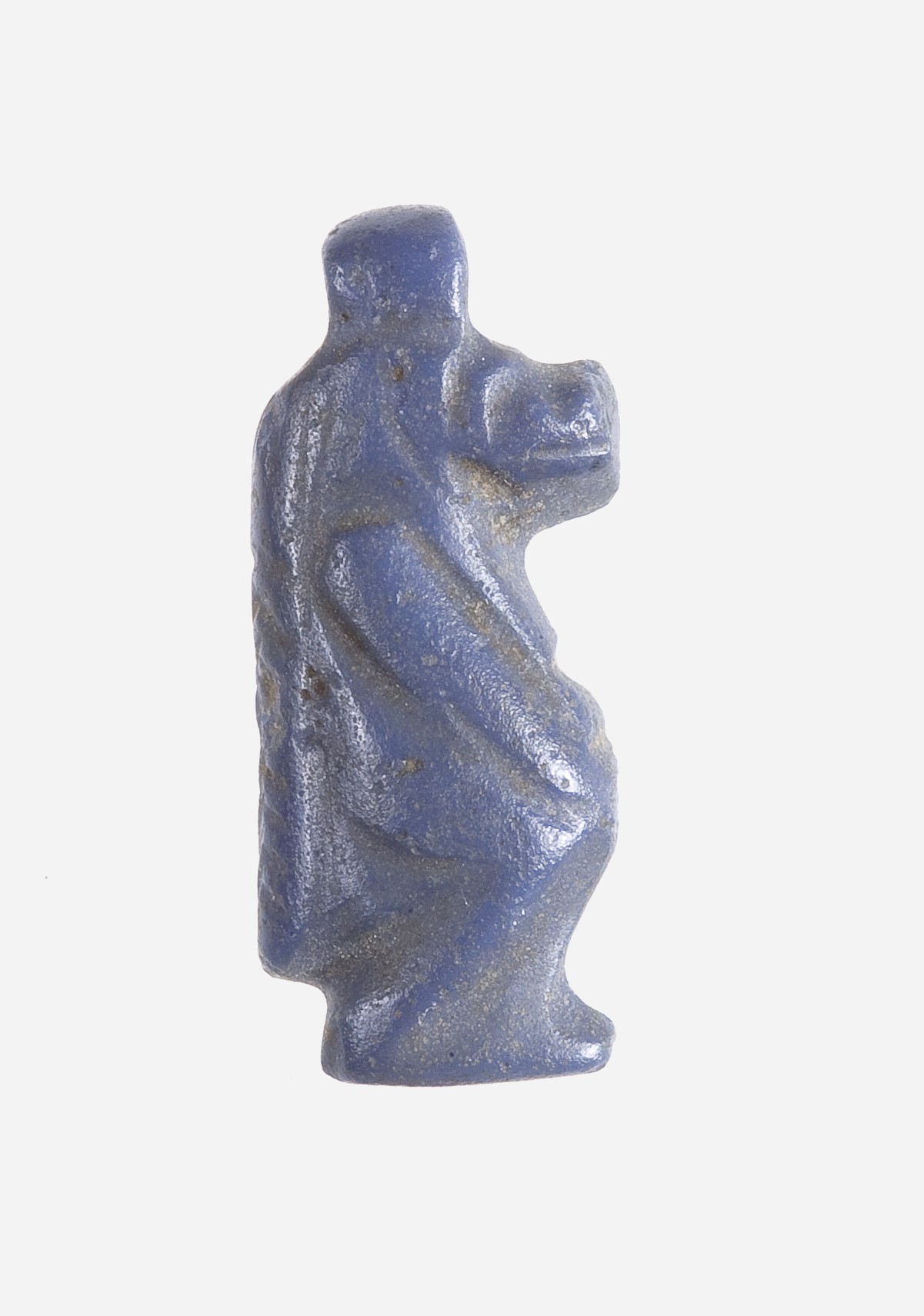
Heritage Analysis: The Blue Glass Amulet in Ancient Civilization
Introduction: The Amulet as a Cultural Artifact
The blue glass amulet, a seemingly modest object of personal adornment, embodies a profound nexus of symbolic power, historical significance, and spiritual meaning that transcends its material form. For Katherine Fashion Lab, this artifact serves as a strategic cornerstone for 2026 high-end luxury strategy, offering a rich narrative of protection, status, and metaphysical resonance. Originating from ancient civilizations—particularly those of Mesopotamia, Egypt, and the Mediterranean—these amulets were not merely decorative; they were talismans imbued with the capacity to ward off evil, attract fortune, and signify social rank. This analysis deconstructs the amulet’s heritage through the lenses of symbolic power, historical adornment, spiritual meaning, and its potential to inform a luxury brand strategy that aligns with contemporary consumer desires for authenticity, exclusivity, and deeper connection.
Symbolic Power: The Semiotics of Blue Glass
In ancient contexts, the color blue was intrinsically linked to the heavens, water, and the divine. Blue glass, a labor-intensive medium in antiquity, was prized for its rarity and its ability to mimic lapis lazuli—a stone associated with royalty and the gods. The amulet’s symbolic power derived from its chromatic and material properties. For instance, in ancient Egypt, the wedjat (Eye of Horus) amulet, often crafted in blue faience or glass, was believed to provide protection, healing, and royal authority. Similarly, in Mesopotamian cultures, blue glass beads were strung as necklaces to deflect the “evil eye” and ensure fertility.
This symbolic power was not static; it was activated through ritual and personal belief. The amulet’s efficacy relied on its integration into daily life—worn on the body, placed in tombs, or embedded in architecture. For Katherine Fashion Lab, this suggests a strategic opportunity to reposition blue glass amulets as objects of intentionality. In a 2026 luxury market increasingly driven by mindful consumption, the amulet’s heritage of protection and empowerment can be leveraged to create pieces that are not only beautiful but also emotionally and spiritually significant. The brand can emphasize the “power” of the artifact through storytelling that highlights its ancient roots, transforming a simple accessory into a modern talisman for confidence and resilience.
Historical Adornment: The Amulet as Social Currency
Historically, the blue glass amulet functioned as a marker of identity and status. In ancient Rome, glass amulets—particularly those featuring phallic or Gorgon motifs—were worn by soldiers and citizens alike as apotropaic devices. The medium of blue glass, however, elevated these objects from mere folk charms to luxury items. The production of blue glass required sophisticated kiln technology and access to cobalt or copper oxides, making it a commodity reserved for elites. Archaeological evidence from sites such as Pompeii and the Levant reveals that blue glass amulets were often buried with their owners, signifying their enduring value in both life and the afterlife.
This historical context of adornment informs a luxury strategy centered on exclusivity and craftsmanship. For Katherine Fashion Lab, the 2026 collection can revive ancient techniques—such as core-forming or millefiori—to produce blue glass amulets that are handcrafted in limited editions. By positioning these pieces as heirlooms, the brand taps into the growing consumer desire for tangible heritage. The amulet’s role as social currency in antiquity mirrors the modern luxury consumer’s quest for distinction; a blue glass amulet from Katherine Fashion Lab can serve as a discreet symbol of cultural literacy and refined taste. Furthermore, the historical practice of amulet gifting—often exchanged during rites of passage—can inspire a brand narrative around meaningful milestones, such as engagements, promotions, or personal achievements.
Spiritual Meaning: The Amulet as a Conduit for Transcendence
The spiritual dimension of the blue glass amulet is perhaps its most resonant attribute for contemporary audiences. In ancient civilizations, these objects were not inert; they were believed to be animated by divine forces. The blue color was associated with the sky god (e.g., Horus in Egypt, Anu in Mesopotamia), while the glass medium was thought to capture and refract light—a metaphor for spiritual illumination. Amulets were often consecrated through prayers, inscriptions, or exposure to sacred sites, transforming them into conduits for protection and guidance.
For Katherine Fashion Lab, this spiritual meaning offers a pathway to differentiate the brand in a crowded luxury market. The 2026 strategy can integrate ritualistic elements into the customer experience. For example, each amulet could be accompanied by a “blessing card” referencing ancient incantations, or the brand could host private ceremonies where clients select amulets based on astrological or numerological significance. This approach aligns with the rise of “spiritual luxury,” where consumers seek products that foster mindfulness and self-actualization. By honoring the amulet’s sacred heritage, Katherine Fashion Lab can position itself as a purveyor of not just fashion, but of holistic well-being. The blue glass amulet becomes a tool for introspection—a modern artifact that bridges the material and the metaphysical.
2026 High-End Luxury Strategy: Synthesizing Heritage with Innovation
The strategic integration of the blue glass amulet into Katherine Fashion Lab’s 2026 portfolio requires a multi-faceted approach that respects its ancient origins while addressing contemporary luxury trends. The following pillars are essential:
1. Artisanal Revival and Scarcity: Partner with master glassblowers from regions historically renowned for glassmaking, such as Murano or the Eastern Mediterranean. Produce each amulet as a unique piece, with natural variations in color and form that underscore its handcrafted authenticity. Limit production to 500 units per design to maintain exclusivity.
2. Narrative-Driven Marketing: Develop a campaign titled “The Eternal Talisman,” featuring ethnographic research, archaeological imagery, and testimonials from cultural historians. Use digital storytelling to trace the amulet’s journey from ancient workshops to modern ateliers. Emphasize the amulet’s role as a “silent guardian,” appealing to consumers’ desire for protection in an uncertain world.
3. Experiential Retail: Design pop-up installations that simulate ancient temple spaces, where clients can learn about the amulet’s symbolism through interactive displays. Offer customization services, such as engraving personal mantras or birthstones into the glass. This transforms the purchase into a ritualistic experience, reinforcing the amulet’s spiritual meaning.
4. Collaborations with Contemporary Artists: Commission limited-edition amulets from artists who reinterpret ancient motifs through modern aesthetics. For instance, a collaboration with a sculptor known for working in glass could produce amulets that blend traditional apotropaic symbols (e.g., the Eye of Horus) with abstract forms. This bridges heritage and innovation, appealing to collectors and fashion-forward clients.
5. Sustainability and Ethical Sourcing: Highlight the use of recycled glass and ethically sourced materials, aligning with the luxury consumer’s growing environmental consciousness. Position the amulet as a sustainable heirloom—an antidote to fast fashion’s disposability.
Conclusion: The Amulet as a Strategic Asset
The blue glass amulet from ancient civilization is far more than a historical curiosity; it is a repository of symbolic power, a testament to human artistry, and a conduit for spiritual transcendence. For Katherine Fashion Lab, this artifact provides a robust foundation for a 2026 high-end luxury strategy that prioritizes meaning over materialism. By honoring the amulet’s heritage through artisanal craftsmanship, narrative depth, and experiential engagement, the brand can capture the imagination of discerning consumers who seek not just adornment, but connection to something enduring and profound. In an era of digital saturation and cultural fragmentation, the blue glass amulet offers a tangible link to the sacred—a luxury that is both timeless and timely.