The Somatic Archive: Silk, Symbolism, and the Strategic Resonance of the Japanese Kimono for Katherine Fashion Lab
The subject of this heritage analysis is the Japanese Kimono, specifically a formal, silk Uchikake or Kurotomesode, examined as a singular "Piece." For Katherine Fashion Lab, this is not merely a garment; it is a strategic artifact of cultural luxury. Its medium—hand-dyed, woven silk—is a conduit for centuries of symbolic power, historical adornment, and spiritual meaning. This analysis decodes the Kimono’s intrinsic value to inform a 2026 high-end luxury strategy that prioritizes narrative depth, material integrity, and transcendent symbolism over transient trends.
Symbolic Power: The Language of Motif and Hierarchy
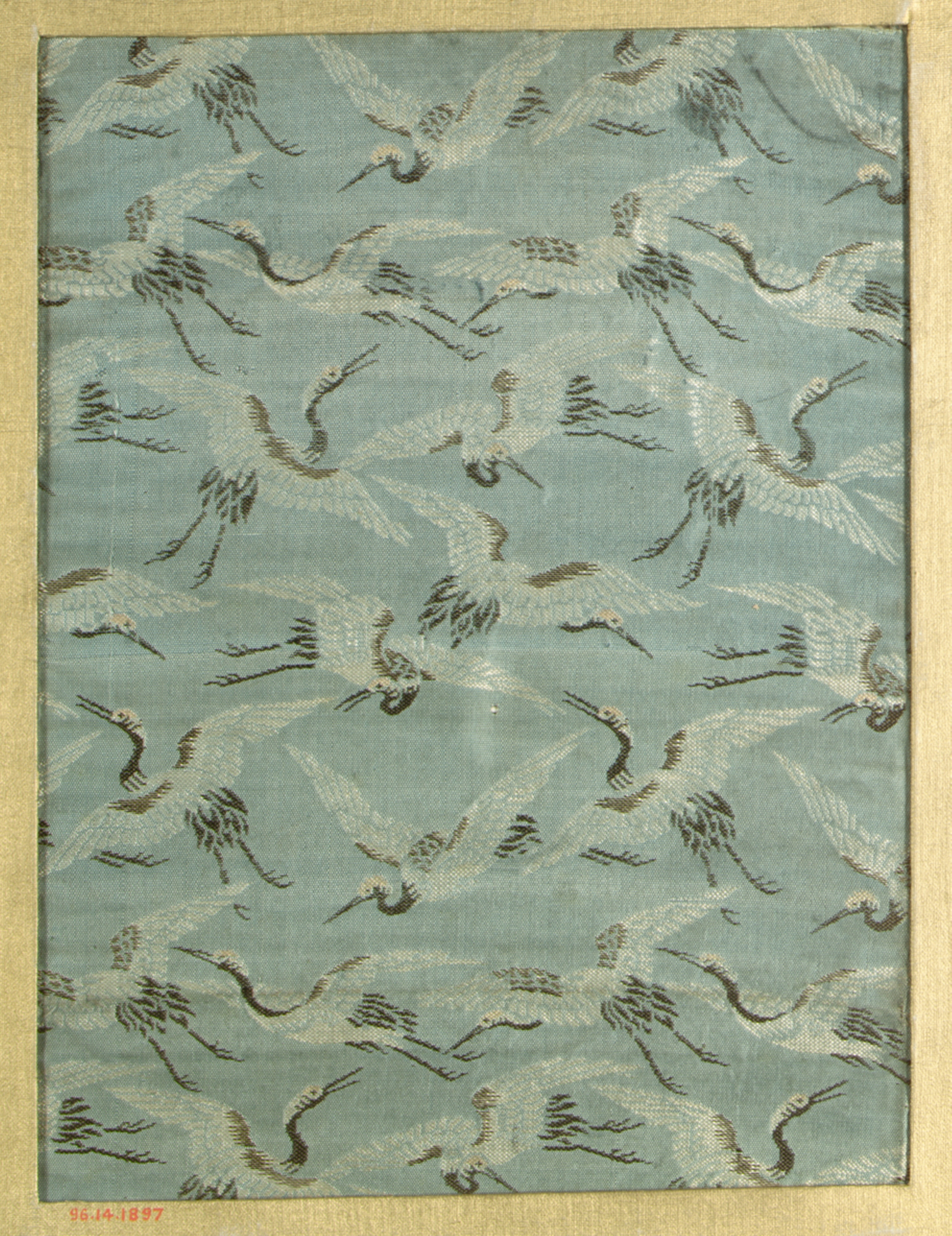
The Kimono’s power lies in its status as a visual lexicon. Unlike Western fashion, which often prioritizes silhouette and novelty, the Kimono’s symbolic weight is carried by its surface design. Every motif is a deliberate signifier, communicating the wearer’s social standing, seasonal awareness, and spiritual aspirations. For instance, the crane (tsuru) symbolizes longevity and good fortune, while the pine (matsu) represents resilience and eternity. A wave pattern (seigaiha) denotes peace and continuity.
In a strategic context, this symbolic density offers Katherine Fashion Lab a powerful tool for differentiation. The 2026 luxury consumer is not seeking mere aesthetics; they seek meaning. By integrating these motifs—not as decoration, but as narrative anchors—a luxury piece can communicate exclusivity and depth. For example, a garment featuring a subtle phoenix (ho-o) motif, a symbol of rebirth and grace, can be positioned as a talisman for the wearer. This transforms the purchase from a commodity into a personal artifact, aligning with the rising demand for intentional luxury.
Historical Adornment: The Kimono as a Record of Craft and Status
Historically, the Kimono was the ultimate indicator of socio-economic position and cultural literacy. During the Edo period (1603-1868), sumptuary laws dictated fabric, color, and pattern based on class. A silk Kimono was not just a garment; it was a portable asset, often serving as a family heirloom or dowry item. The process of its creation—from the sericulture of silkworms to the yuzen-zome (hand-painted resist dyeing) and shibori (tie-dye) techniques—could take months or years, involving master artisans whose skills were passed down through generations.
For Katherine Fashion Lab, this historical context reinforces the value of artisanship as a luxury credential. The 2026 strategy must move beyond "made in Japan" to a verifiable narrative of provenance. This includes documenting the specific region of silk production (e.g., Nishijin-ori from Kyoto), the name of the dye master, and the traditional techniques employed. This transparency creates a chain of custody that justifies a premium price point. Furthermore, the Kimono’s historical role as a "second skin" of status can be adapted for modern power dressing. A 2026 collection could reinterpret the obi (sash) as a structural corset or the sode (sleeves) as dramatic capes, retaining the symbolic hierarchy while updating the silhouette for contemporary wardrobes.
Spiritual Meaning: Wabi-Sabi, Impermanence, and the Soul of Silk
Beyond the physical, the Kimono embodies profound spiritual concepts rooted in Shinto and Buddhist philosophy. The most relevant for luxury strategy is wabi-sabi—the appreciation of imperfection, impermanence, and the beauty of natural aging. A silk Kimono is not static; it breathes, creases, and softens with wear. The kasuri (ikat) technique, with its intentionally blurred edges, celebrates this organic quality. The garment is also deeply tied to rites of passage. A shiromuku (pure white wedding kimono) symbolizes the bride’s willingness to be dyed by her new family’s customs, while a mofuku (black mourning kimono) signifies solemnity and respect.
This spiritual dimension offers a profound opportunity for emotional branding. In a market saturated with disposable luxury, a piece that honors impermanence and transformation is deeply resonant. For 2026, Katherine Fashion Lab can position its silk pieces as heirloom objects designed to be worn, repaired, and passed down. This aligns with the circular luxury movement, where longevity and emotional attachment combat waste. A marketing campaign could frame the garment as a "living document" of the wearer’s life—each crease and patina a mark of personal history. This spiritual framing elevates the product from a status symbol to a personal talisman, fostering deep brand loyalty.
2026 High-End Luxury Strategy: The Synthesis of Heritage and Modernity
To translate this heritage into a 2026 strategy, Katherine Fashion Lab must execute a three-pronged approach: Narrative Sovereignty, Material Provenance, and Ritualized Experience.
Narrative Sovereignty: The Motif as Signature
Rather than using generic floral prints, the Lab should develop a proprietary "Katherine Motif Library" based on Japanese symbolism. A signature kiku (chrysanthemum) pattern, for instance, can be reinterpreted in a modern, abstract form. Each piece should come with a symbolism card explaining the motif’s meaning, turning the purchase into an educational, culturally immersive act. This builds a brand that is seen as a custodian of culture, not a borrower.
Material Provenance: The Silk as a Certificate of Value
Every garment must be traceable. The Lab should partner with a single, historic silk atelier in Kyoto or Kanazawa, offering a limited-edition "Katherine x [Atelier Name]" collection. The silk should be certified by the Japan Silk Association, with a QR code linking to a video of the weaving process. This radical transparency justifies a price point of $15,000–$50,000 per piece, targeting the ultra-high-net-worth consumer who values authenticity over logo visibility.
Ritualized Experience: The Kimono as a Ceremony
Luxury in 2026 is experiential. The Lab should offer a Kimono Consultation Service, where clients work with a cultural advisor to select motifs and colors based on their personal aspirations—a modern take on the iro musubi (color symbolism). The purchase includes a private dressing ceremony, teaching the client the ritual of kitsuke (kimono wearing). This transforms a transaction into a life event, creating a memory that rivals the product itself.
Conclusion: The Enduring Strategy of the Singular Piece
The Japanese silk Kimono is not a trend; it is a strategic prototype for how to build a luxury brand on meaning. Its symbolic power, historical depth, and spiritual resonance offer Katherine Fashion Lab a blueprint for 2026: a move away from fast luxury toward slow, sacred, and sovereign design. By treating each piece as a cultural artifact, the Lab does not merely sell clothing—it sells a philosophy of intentionality, beauty, and timelessness. In a world of noise, the Kimono whispers the most valuable message of all: what is made with reverence is worn with purpose.