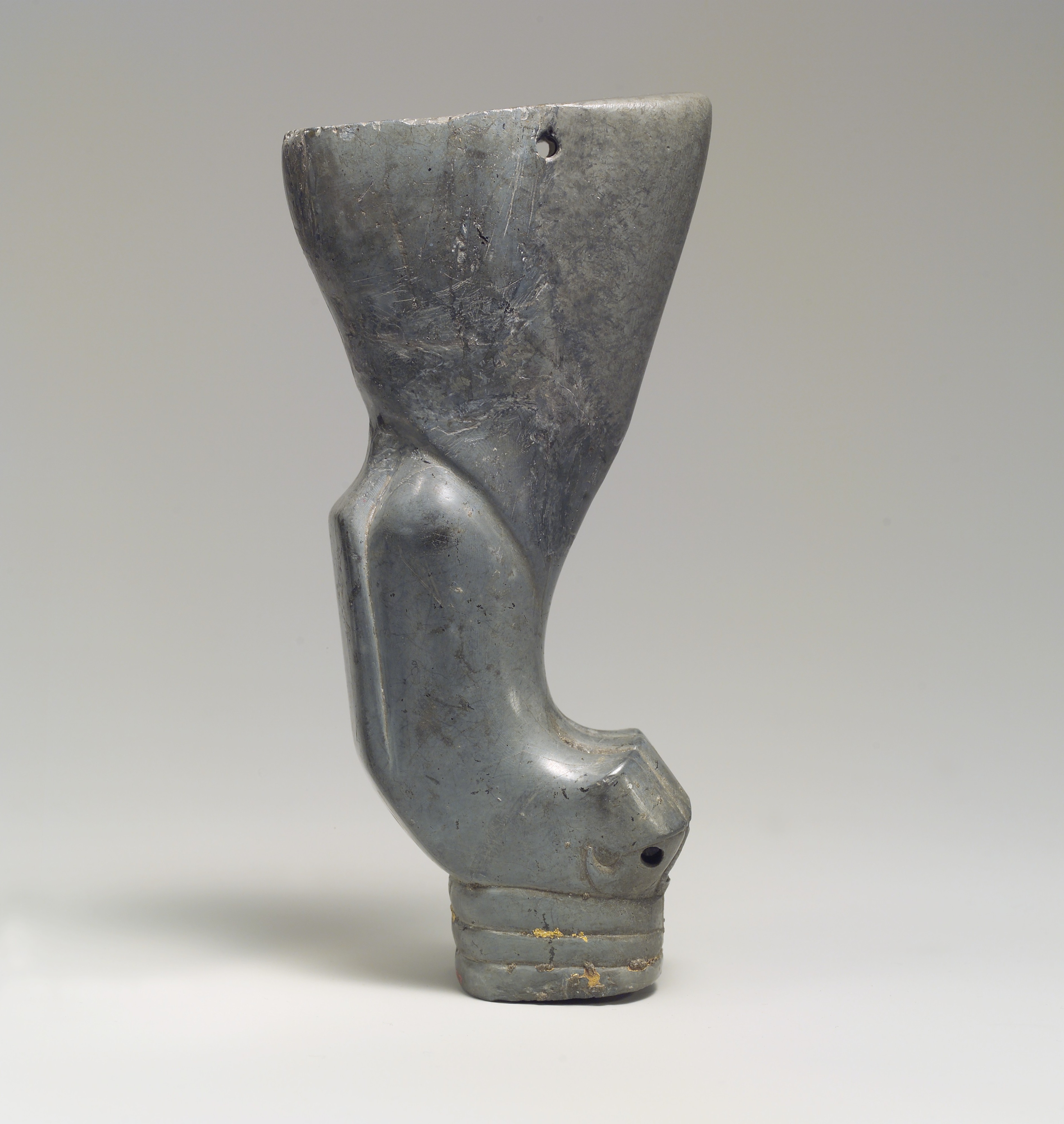
Heritage Analysis: The Lion’s Leg Furniture Support from the Old Assyrian Trading Colony
Introduction: Artifact as Archetype
The lion’s leg furniture support, carved from hippopotamus ivory and originating from an Old Assyrian Trading Colony (circa 2000–1700 BCE), represents a confluence of raw material, symbolic form, and commercial context that resonates profoundly with contemporary luxury strategy. This artifact, likely part of a throne or ceremonial seat, embodies not merely a functional structural element but a deliberate assertion of dominion, spiritual protection, and cross-cultural prestige. For Katherine Fashion Lab, understanding this object’s layered significance offers a blueprint for integrating heritage symbolism into a 2026 high-end luxury narrative—one that values authenticity, material rarity, and transcendent meaning over transient trend cycles.
Symbolic Power: The Lion as Sovereign and Guardian
In the Old Assyrian world, the lion was the paramount emblem of royal authority and martial prowess. Lions were associated with the goddess Ishtar, the deity of war and love, and with the king’s role as the earthly enforcer of divine order. The lion’s leg, as a furniture support, metaphorically grounded the seat of power. It transformed a utilitarian object into a talisman of legitimacy. The choice of this motif was not decorative but declarative: the ruler who sat upon such a throne was physically and symbolically borne by the strength of the beast. This concept of “bearing power” is directly translatable to high-end luxury: a brand that positions itself as a support system for the consumer’s identity, elevating their status through association with enduring symbols of strength and authority.
For Katherine Fashion Lab, this suggests a strategic opportunity to revive the lion’s leg motif not as a literal reproduction, but as a design signature—perhaps in the form of a sculptural heel, a handbag clasp, or a jewelry piece that mimics the carved, muscular contours of the ancient prototype. The symbolic power lies in the tension between brute force and refined craftsmanship, a dichotomy that resonates with the modern luxury consumer’s desire for objects that are both potent and precious.
Historical Adornment: Ivory as a Medium of Prestige and Consequence
The use of hippopotamus ivory is a critical detail. In the Old Assyrian Trading Colony context, ivory was an exotic import from Egypt or the Levant, obtained through extensive trade networks. Its value was threefold: rarity, workability, and symbolic purity. The hippopotamus, a creature of the Nile, was associated with the goddess Taweret, a protector of childbirth and domestic life—a counterpoint to the lion’s martial energy. The combination of lion and hippopotamus ivory thus created a hybrid object: one that fused the aggressive power of the lion with the protective, life-giving essence of the hippopotamus. This syncretism reflects the trading colony’s role as a melting pot of cultures, where Assyrian, Anatolian, and Egyptian influences coalesced.
From a historical adornment perspective, the furniture support was not merely a structural component; it was a display object meant to be seen and admired. The carving would have emphasized the lion’s musculature, claws, and fur texture, transforming a functional leg into a miniature sculpture. This principle of “functional adornment”—where utility is elevated to artistry—is a cornerstone of high-end luxury. In 2026, Katherine Fashion Lab can adopt this approach by designing items that serve a purpose (e.g., a belt buckle, a door handle, a chair leg) while functioning as standalone art objects. The material choice is equally strategic: ivory, though ethically problematic today, can be replaced with sustainable alternatives such as responsibly sourced tagua nut, recycled bone, or high-quality resin composites that mimic the warmth and translucency of ancient ivory. The narrative becomes one of ethical luxury, drawing a direct line from ancient trade routes to modern supply chain transparency.
Spiritual Meaning: The Object as Intermediary
In the Old Assyrian worldview, furniture was not inert. Objects were believed to house spirits or to channel divine protection. The lion’s leg, placed at the base of a throne, served as a guardian against malevolent forces. It was a liminal object, positioned at the threshold between the ruler’s body and the earth, between the human and the divine. This spiritual dimension imbued the artifact with a sacred utility. The owner was not just using furniture; they were participating in a ritual of protection and legitimacy.
For a 2026 luxury strategy, this spiritual meaning can be translated into a concept of “object as anchor.” In an era of digital saturation and ephemeral trends, consumers increasingly seek objects that provide a sense of grounding, permanence, and personal significance. Katherine Fashion Lab can position its lion’s leg-inspired designs as talismanic pieces—items that offer the wearer or user a psychological sense of strength and protection. Marketing narratives could emphasize the idea of “the leg that bears your weight” or “the claw that guards your path,” tapping into the human need for stability in an unstable world. This is not mere aesthetics; it is a brand philosophy of emotional and spiritual support through design.
2026 High-End Luxury Strategy: From Artifact to Archetype
To integrate this heritage analysis into a coherent luxury strategy for 2026, Katherine Fashion Lab must move beyond historical replication and toward archetypal resonance. The lion’s leg is not a relic to be copied; it is a template for meaning-making. The following strategic pillars emerge:
1. Material Narrative: Just as hippopotamus ivory signified long-distance trade and cultural exchange, Katherine Fashion Lab should source materials that tell a story of ethical provenance and artisanal mastery. Options include fossilized mammoth ivory (legal and sustainable), recycled bronze, or hand-carved wood from managed forests. Each material must be accompanied by a provenance document that traces its journey, mirroring the ancient trade routes.
2. Design Language of Power and Protection: The lion’s leg motif should be abstracted into a signature silhouette—a curved, muscular form that appears in various product categories. This creates a visual brand lexicon that consumers can identify instantly. The motif’s spiritual dimension can be reinforced through limited-edition “guardian” collections, where each piece is numbered and accompanied by a narrative card explaining its symbolic meaning.
3. Functional Sculpture: Following the Assyrian principle of functional adornment, Katherine Fashion Lab should design objects that blur the line between utility and art. A chair with lion’s leg supports becomes a throne. A handbag with a carved lion’s leg clasp becomes a talisman. The pricing strategy should reflect the dual value: the object’s functional use and its status as a collectible artifact.
4. Experiential Retail: The spiritual meaning of the artifact can be activated in-store. Retail spaces could include a “threshold” design element—a lion’s leg sculpture at the entrance, symbolizing protection and welcome. Sales associates could be trained to share the artifact’s history, turning a purchase into a ritual of empowerment.
5. Collaborative Authenticity: Partner with archaeologists, art historians, and luxury material specialists to co-create the collection. This adds academic rigor and ensures that the symbolism is not diluted. A portion of proceeds could fund conservation efforts for Assyrian heritage sites, creating a virtuous cycle of cultural preservation and brand prestige.
Conclusion: The Leg That Supports the Future
The lion’s leg furniture support from the Old Assyrian Trading Colony is far more than an ancient object. It is a testament to the enduring human desire to infuse the material world with meaning, power, and protection. For Katherine Fashion Lab, this artifact offers a strategic foundation for a 2026 luxury line that is not merely fashionable, but foundational. By honoring the symbolic power, historical adornment, and spiritual meaning of the lion’s leg, the brand can create objects that do not simply sit in a room or hang from a shoulder—they support, guard, and elevate. In a market saturated with the ephemeral, this is the ultimate luxury: permanence with purpose.