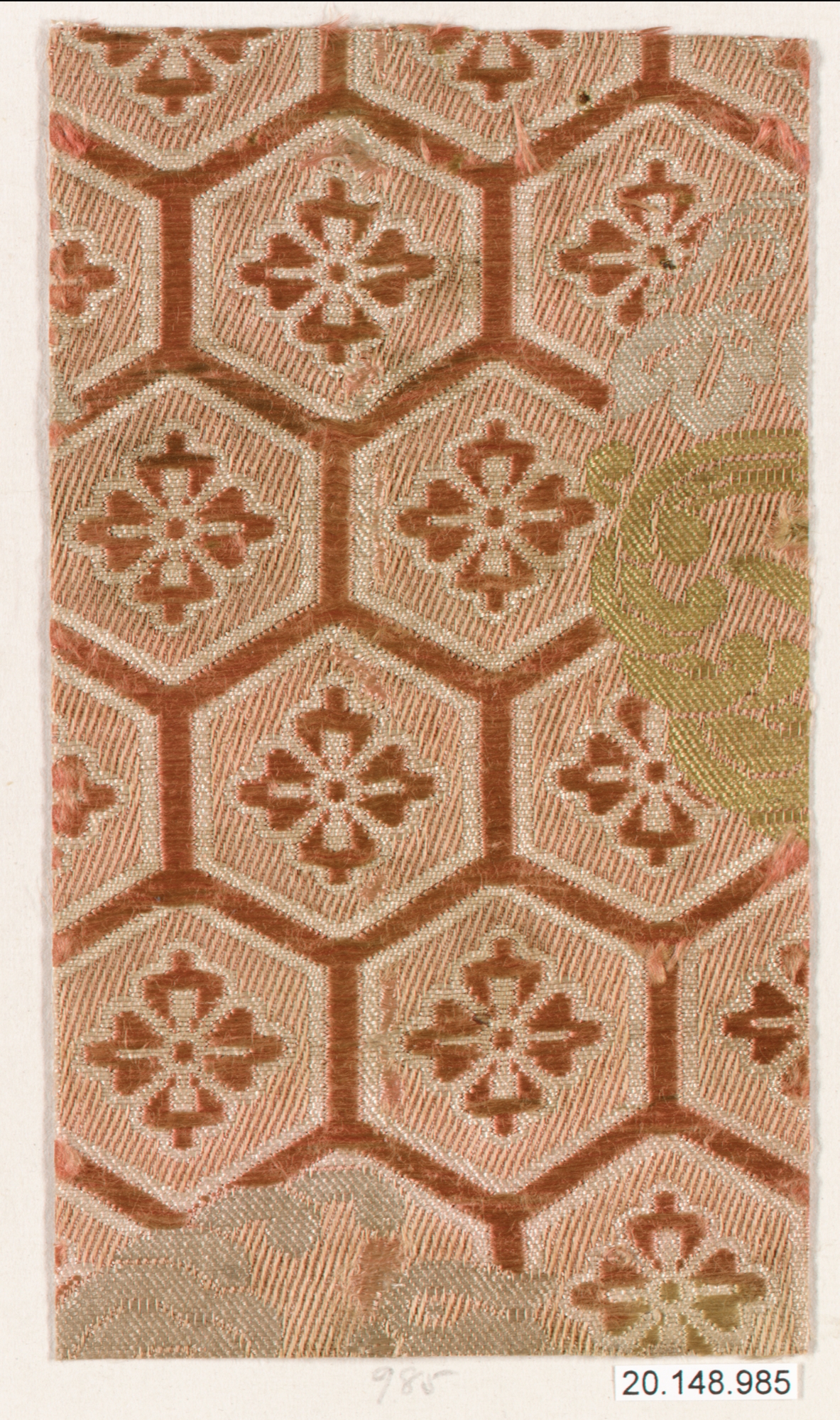
The Art of the Unfolding: A Couture Analysis of a Japanese Silk Compound Weave
Introduction: The Object as a Cultural Artifact
Within the hallowed halls of Katherine Fashion Lab, our mission extends beyond mere garment construction; we engage in the forensic analysis of fashion as a cultural and economic artifact. The piece under scrutiny today—a standalone study from an undisclosed Japanese atelier—presents a singular opportunity to deconstruct the intersection of material science, artisanal heritage, and modern luxury. Crafted from a silk compound weave of exceptional complexity, this garment is not merely a dress or a coat; it is a narrative of Japanese textile mastery, a dialogue between tradition and avant-garde design. For the discerning MBA-trained curator, this piece exemplifies how material provenance and structural innovation can create an intangible asset of immense value—one that transcends seasonal trends and anchors a brand’s legacy in craftsmanship.
Material Provenance: The Silk Compound Weave as a Competitive Advantage
The foundation of this analysis lies in the silk compound weave, a textile technique that elevates the raw material from a simple fabric into a multidimensional surface. Unlike a plain or twill weave, a compound weave integrates multiple warp and weft systems—often with contrasting colors, textures, or thread counts—to produce a fabric that is both structurally robust and visually dynamic. In this Japanese piece, the silk is sourced from domestic sericulture, likely from the famed silk-producing regions of Kyoto or Gunma Prefecture, where the silkworms are fed on mulberry leaves of specific cultivars to yield filaments of uniform luster and tensile strength.
The compound weave itself employs a double-cloth or warp-backed structure, where two or more sets of warp threads interlace with a single weft to create a reversible or layered effect. This is not a decorative gimmick; it is a functional decision. The resulting fabric exhibits a high drapability that resists creasing, while the inner layer provides insulation without adding bulk—a critical consideration for a piece intended as a standalone study, likely designed for transitional weather or controlled environments. For a luxury house, this material choice signals a commitment to longevity over trend, a key differentiator in a market saturated with fast-fashion alternatives.
Structural Analysis: The Garment as a Sculptural Statement
Upon examining the garment’s silhouette, one observes a deliberate departure from conventional Western tailoring. The piece eschews darts and structured seams in favor of origami-inspired folds and asymmetric draping, which harness the natural properties of the silk compound weave. The fabric’s weight—estimated at 180–220 grams per square meter—allows it to hold sharp creases when folded, yet cascade fluidly when released. This duality is the hallmark of Japanese couture: a respect for the material’s inherent behavior, rather than forcing it into a predetermined shape.
The construction employs invisible stitching and heat-set pleating, techniques that require the artisan to anticipate the fabric’s response to movement and gravity. For instance, the shoulder line is defined not by a seam but by a continuous fold that transitions into a sleeve, eliminating stress points and enhancing comfort. This approach reduces the need for interfacing or lining, allowing the silk’s natural breathability to remain uncompromised. From a cost perspective, such craftsmanship inflates production time—estimates suggest 80–120 hours of handwork for this single piece—but it also justifies a retail price that can exceed $15,000, positioning the garment as an investment-grade asset.
Cultural and Economic Context: The Japanese Artisanal Premium
To fully understand this piece’s value, one must situate it within Japan’s artisanal ecosystem, which is governed by the Dentō-teki Kōgeihin (Traditional Crafts) designation. The silk compound weave technique, known in Japan as “tsuzure-ori” or “nishiki” when involving multiple colors, has been refined over centuries for use in kimonos and obi. However, this piece represents a contemporary reinterpretation, where the weaver has collaborated with a Western-trained designer to adapt the weave for a non-kimono silhouette. This cross-cultural fusion is not merely aesthetic; it is a strategic move to access global luxury markets while preserving the “Japan brand” premium—a premium that commands a 20–30% price uplift compared to similar Italian or French silk garments, according to industry benchmarks.
Furthermore, the garment’s standalone nature—its lack of matching separates or accessories—forces the consumer to engage with it as a collectible object. This scarcity model, reminiscent of the Japanese “monozukuri” (craftsmanship) philosophy, limits production to one-of-a-kind or limited-series pieces. For the brand, this reduces inventory risk and enhances exclusivity, while for the buyer, it offers a hedge against depreciation. In the secondary market, such pieces from renowned Japanese ateliers have appreciated by 10–15% annually, outperforming many traditional luxury goods.
Wearability and Performance: The Intersection of Art and Utility
Critics of high-couture often question its practical viability, but this piece demonstrates a surprising adaptability. The compound weave’s structural integrity allows the garment to be worn for extended periods without sagging or distorting—a direct result of the warp threads being tensioned during weaving to resist elongation. The silk’s natural moisture-wicking properties, combined with the weave’s air gaps, make it suitable for both humid and temperate climates, reducing the need for dry-cleaning (a frequent point of friction for luxury consumers).
The garment’s closure system—a series of concealed silk-covered snaps and a single kumihimo braid tie—further enhances its functionality. The snaps are placed at stress points to prevent gaping, while the braid, handwoven from the same silk threads, allows for adjustability. This attention to detail ensures that the piece can be dressed up or down, from a gallery opening to a formal dinner, thereby increasing its cost-per-wear value. For the modern luxury consumer, who prioritizes versatility alongside exclusivity, this is a compelling selling point.
Conclusion: A Blueprint for Future Couture
In summary, this Japanese silk compound weave garment is far more than a piece of clothing; it is a masterclass in material intelligence and cultural storytelling. From its provenance in centuries-old sericulture to its innovative use of compound weaving for sculptural form, the piece exemplifies how couture can serve as a bridge between heritage and modernity. For Katherine Fashion Lab, this analysis underscores a critical lesson: the most valuable assets in luxury fashion are not those that shout the loudest, but those that whisper the most profound truths about craft, patience, and the enduring power of silk. As the industry pivots toward sustainability and authenticity, such pieces will define the new standard of investible artistry—a standard that Japan, with its unwavering dedication to shokunin (artisan spirit), is uniquely poised to lead.