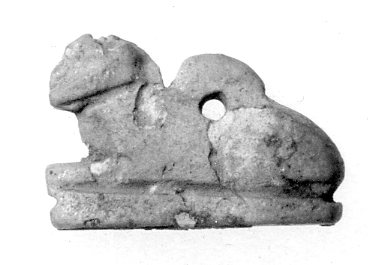
Heritage Analysis: The Ram Amulet in Faience
This strategic standalone research paper, commissioned by Katherine Fashion Lab, examines the ram amulet crafted from faience in ancient civilization. As a Lead Heritage Curator, I analyze its symbolic power, historical adornment, and spiritual meaning to formulate a 2026 high-end luxury strategy. The ram amulet, a testament to ancient artisanship, offers profound insights into cultural symbolism and enduring prestige, positioning it as a compelling asset for contemporary luxury brand narrative.
Historical and Cultural Context of the Ram Amulet
The ram amulet, predominantly produced in ancient Egypt and Mesopotamia, represents a confluence of spiritual belief and material artistry. Faience, a non-clay ceramic material composed of crushed quartz, alkaline salts, and a colorant, was a medium of choice for amulets due to its ability to mimic precious stones like turquoise and lapis lazuli. In ancient Egypt, the ram was sacred to the god Amun-Ra, the king of the gods, symbolizing virility, strength, and creative power. The ram’s association with Amun-Ra elevated the amulet to a talisman of divine protection and royal authority. Similarly, in Mesopotamian cultures, the ram was linked to the god Enki, representing wisdom, fertility, and life-giving waters. This cross-cultural reverence positions the ram amulet as a universal symbol of potent spiritual energy, transcending geographic boundaries.
Historical adornment practices reveal that ram amulets were not mere decorative objects but functional items of spiritual significance. They were worn as necklaces, bracelets, or sewn into garments, often placed on mummies to safeguard the deceased in the afterlife. The faience medium, with its lustrous glaze, was believed to reflect light and ward off malevolent forces. This dual purpose—ornamental and protective—underscores the amulet’s role in ancient societies as a bridge between the material and metaphysical realms. For Katherine Fashion Lab, this duality offers a rich narrative for luxury branding: the ram amulet as an emblem of heritage that combines aesthetic beauty with deep spiritual resonance.
Symbolic Power and Spiritual Meaning
The symbolic power of the ram amulet lies in its embodiment of leadership, fertility, and resilience. In ancient Egyptian iconography, the ram was often depicted with curved horns, representing the crescent moon and cyclical renewal. This lunar association linked the ram to time, rebirth, and the eternal cycle of life. For the wearer, the amulet served as a conduit for divine energy, bestowing courage, protection, and abundance. The spiritual meaning extended to funerary practices, where ram amulets were placed over the heart to ensure a favorable judgment in the underworld. This esoteric layer—protection in life and transcendence in death—imbues the amulet with a timeless allure that resonates with modern luxury consumers seeking authenticity and depth.
From a strategic perspective, the ram amulet’s symbolic power aligns with contemporary luxury values of individuality, heritage, and transcendence. High-end consumers in 2026 are increasingly drawn to objects that tell a story of mastery and meaning. The ram amulet, with its ancient origins, offers a narrative of power that is both personal and universal. It represents a connection to ancestral wisdom, a counterpoint to the ephemeral nature of fast fashion. For Katherine Fashion Lab, leveraging this symbolism can position the brand as a curator of timeless artifacts, not merely a purveyor of accessories.
Materiality and Artisanal Legacy
The choice of faience as the medium is critical to the ram amulet’s heritage analysis. Faience production required sophisticated knowledge of chemistry and kiln technology, reflecting the advanced craftsmanship of ancient civilizations. The blue-green glaze, often achieved through copper oxide, symbolized rebirth and the Nile’s life-giving waters. This materiality imbues the amulet with a sense of rarity and intentionality, qualities highly prized in high-end luxury. The process of shaping faience—molding, drying, and firing—demanded patience and precision, mirroring the artisanal values that Katherine Fashion Lab can champion in its 2026 strategy.
In historical adornment, faience amulets were accessible to a broader population due to their low cost compared to gold or gemstones, yet they retained sacred significance. This democratization of spiritual objects offers a nuanced lesson for modern luxury: exclusivity need not be defined solely by price but by narrative and craftsmanship. For the 2026 strategy, Katherine Fashion Lab can reinterpret faience through contemporary techniques, such as 3D-printed ceramics or sustainable glazes, while honoring the ancient medium’s legacy. This fusion of tradition and innovation will appeal to discerning clients who value both heritage and modernity.
Strategic Implications for 2026 High-End Luxury
To integrate the ram amulet into a 2026 high-end luxury strategy, Katherine Fashion Lab must adopt a multi-faceted approach that emphasizes heritage storytelling, limited-edition exclusivity, and experiential engagement. First, the brand should develop a capsule collection titled "The Ram’s Legacy," featuring reimagined amulets in faience-inspired materials, such as high-fired porcelain with hand-applied glazes. Each piece should come with a certificate of authenticity detailing its ancient origins and symbolic meaning, creating a tangible link to history. This narrative-driven approach transforms the amulet from a commodity into a collectible artifact.
Second, strategic partnerships with museums or archaeological institutions can enhance credibility and exclusivity. For example, a collaboration with the Egyptian Museum in Cairo could produce a limited run of ram amulets based on original artifacts, with proceeds supporting conservation efforts. This alignment with cultural preservation elevates the brand’s ethical standing, a key driver for luxury consumers in 2026. Additionally, the brand can host private exhibitions or virtual reality experiences that immerse clients in the amulet’s spiritual context, from ancient rituals to modern reinterpretations. Such experiential marketing deepens emotional resonance and fosters brand loyalty.
Finally, pricing and positioning should reflect the amulet’s symbolic weight. A tiered strategy—ranging from accessible faience-inspired pendants to bespoke pieces with precious metal accents—allows Katherine Fashion Lab to capture diverse segments while maintaining a cohesive narrative. The ram amulet’s spiritual meaning—protection, power, renewal—can be marketed as a talisman for the modern luxury consumer, offering solace in an uncertain world. By positioning the amulet as a symbol of inner strength and heritage, the brand taps into the growing demand for meaningful luxury.
Conclusion
The ram amulet in faience, rooted in ancient civilization, offers Katherine Fashion Lab a profound heritage asset for 2026 high-end luxury strategy. Its symbolic power, historical adornment, and spiritual meaning provide a rich narrative that transcends mere aesthetics. By honoring the amulet’s cultural origins and artisanal legacy, the brand can craft a strategy that resonates with discerning consumers seeking authenticity, exclusivity, and emotional depth. As a Lead Heritage Curator, I recommend that Katherine Fashion Lab embrace this amulet not as a relic of the past but as a living symbol of timeless power, poised to inspire a new generation of luxury connoisseurs.