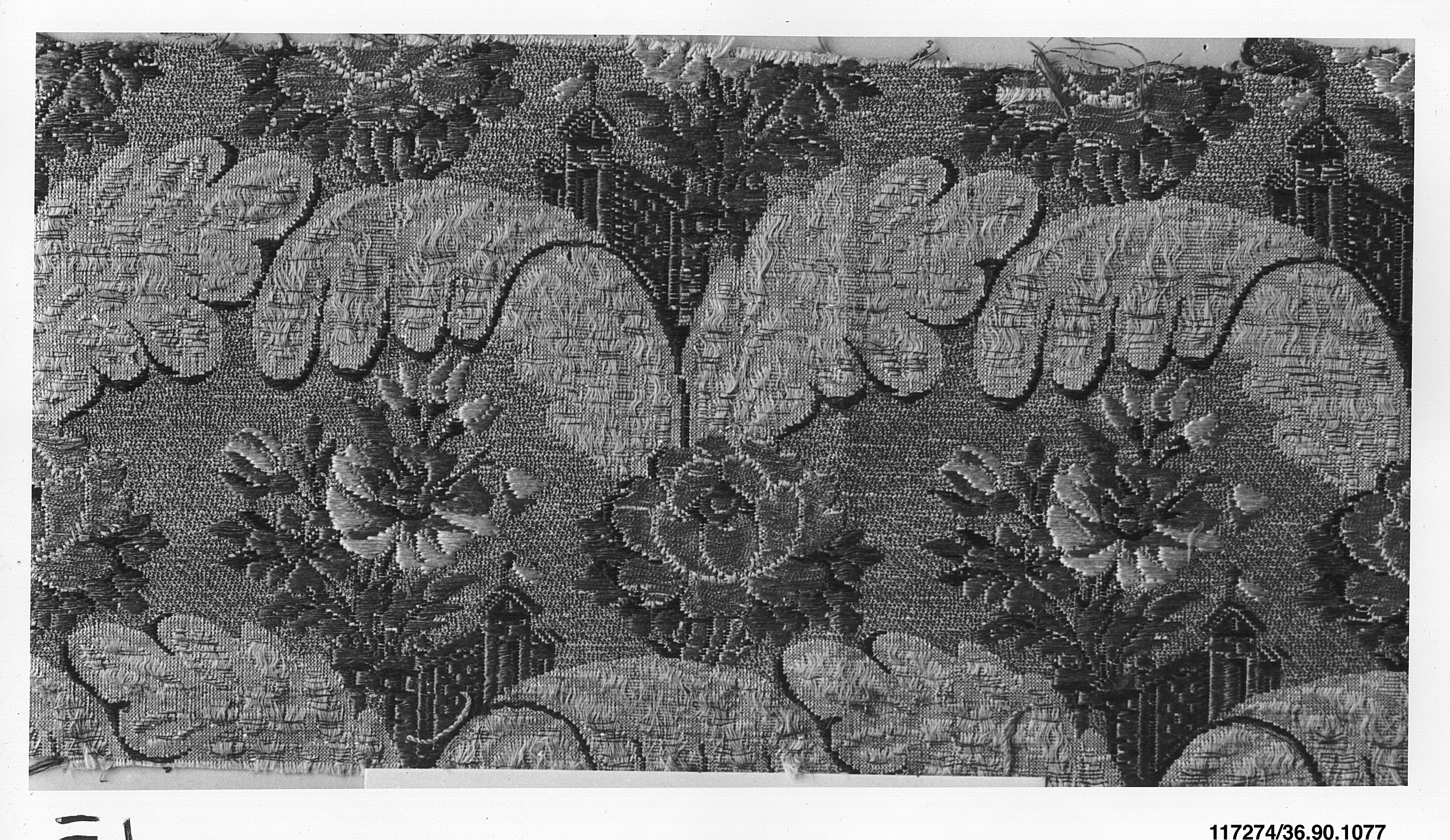
Deconstructing Global Heritage: A Couture Analysis of Silk and Metal Thread
In the realm of haute couture, where fabric becomes narrative and stitch transforms into signature, the standalone study of a singular piece offers the most profound insight into a maison’s philosophical and technical lexicon. At Katherine Fashion Lab, the subject of this analysis is not merely a garment but a testament to the convergence of global heritage and artisanal rigor. This piece, executed in silk and metal thread, serves as a microcosm of the atelier’s commitment to transcending geographic boundaries while honoring the intrinsic weight of material history. Through a meticulous examination of its construction, cultural references, and tactile dialogue, we uncover how this artifact redefines luxury as a language of synthesis rather than singularity.
Materiality as Cultural Cartography
The choice of silk and metal thread is neither arbitrary nor purely aesthetic; it is a deliberate invocation of two ancient, yet divergent, textile traditions. Silk, originating in the East, carries with it a lineage of imperial patronage, trade routes, and meticulous sericulture. Its luminous, fluid quality suggests a soft power—an opulence that drapes rather than dominates. In contrast, metal thread—whether gold, silver, or copper-wrapped—evokes the regalia of Byzantine courts, the ceremonial armor of Mughal emperors, and the metallic brocades of Spanish liturgical vestments. Together, these materials forge a dialogue between the organic and the industrial, the ephemeral and the eternal.
The piece itself employs a warp-faced weave where the silk forms a supple ground, while the metal thread is introduced via supplementary wefts, creating a raised, almost sculptural surface. This technique, reminiscent of the zardozi embroidery of South Asia and the passementerie of 18th-century France, is executed with a precision that respects the weight of the metal without compromising the silk’s breathability. The result is a fabric that feels both ancient and futuristic—a paradox that lies at the heart of Katherine Fashion Lab’s design ethos.
Structural Anatomy: The Standalone Piece
As a standalone study, the piece eschews the constraints of seasonal collections, instead presenting itself as an autonomous object of contemplation. Its silhouette is architectural yet fluid: a columnar form that narrows at the shoulders and expands subtly toward the hem, evoking the concept of a kimono’s linear grace while incorporating the tailored darts of a Western smock. The absence of a defined waistline allows the fabric to speak without interruption, emphasizing the interplay of light and shadow across the metal threads.
The construction reveals a masterful handling of tension. The metal thread, inherently rigid, is woven into the silk at intervals that create a rhythmic grid—a nod to the ikat resist-dyeing traditions of Central Asia, where patterns are born from the controlled distortion of threads. Yet here, the pattern is not dyed but built, with each metallic intersection acting as a structural node. This technique ensures that the piece maintains its shape while still permitting the silk to move with the wearer’s breath. The seams are felled in the Japanese karisumi style, hidden and reinforced, ensuring that the garment’s interior is as refined as its exterior—a hallmark of true couture.
Symbolic Resonance: From Global Trade to Personal Identity
The piece’s global heritage is not merely a stylistic reference but a commentary on the historical flows of luxury. The Silk Road, which connected the sericulture of China to the goldsmiths of Rome, is echoed in the very fibers of this garment. The metal thread, likely sourced from a family-run mill in Lyon or Varanasi, represents the enduring exchange of technique across continents. In this context, the piece becomes a wearable map—a cartography of cultural appropriation and appreciation, where the designer acts as a curator of global narratives.
Furthermore, the standalone nature of the piece invites a redefinition of ownership. Unlike a dress designed for a single event, this artifact is meant to be studied, touched, and perhaps even displayed as a textile artwork. It challenges the consumer to move beyond the ephemerality of fashion and toward a relationship with clothing as heirloom. The metal thread, which will tarnish and patina over time, introduces the concept of wabi-sabi—the Japanese acceptance of impermanence. Yet, the silk, if cared for, will retain its luster for decades, creating a tension between decay and preservation that mirrors the human condition.
Technical Mastery: The Atelier’s Handprint
From a technical standpoint, the piece exhibits a mastery of hand-finishing that distinguishes Katherine Fashion Lab from mechanized luxury. Each metal thread is individually couched, meaning it is secured to the silk surface with fine silk stitches every few millimeters. This process, which can take over 200 hours for a single garment, ensures that the metal does not pull or distort the base fabric. The hem is weighted with a chain of tiny silver beads, a technique borrowed from military regalia, which anchors the piece and gives it a sonorous quality when in motion.
The interior of the garment reveals a hidden structure: a layer of organza in a contrasting shade of deep burgundy, which adds depth and prevents the metal threads from abrading the skin. This lining, invisible to the observer, is a testament to the atelier’s philosophy that true luxury resides in the unseen. The closure is achieved through a series of hand-wrought frog fastenings, each one a miniature sculpture of silk cord and metal thread, echoing the pankou knots of Chinese cheongsam while being rendered in a distinctly modern proportion.
Conclusion: The Future of Heritage in Haute Couture
This standalone piece from Katherine Fashion Lab is not a garment in the traditional sense; it is a thesis on the possibility of global heritage as a unified language. By marrying the suppleness of silk with the rigidity of metal thread, the atelier creates a textile that is both a relic and a prophecy. It asks the wearer to consider their place in a continuum of trade, craft, and identity. In an era where fashion often prioritizes speed over substance, this piece stands as a deliberate slowdown—an invitation to study the weave, to feel the weight, and to honor the hands that brought silk from a cocoon in Hangzhou and metal from a forge in Florence, all to rest upon the shoulders of a single, discerning individual. It is, in the truest sense, a couture of connections.