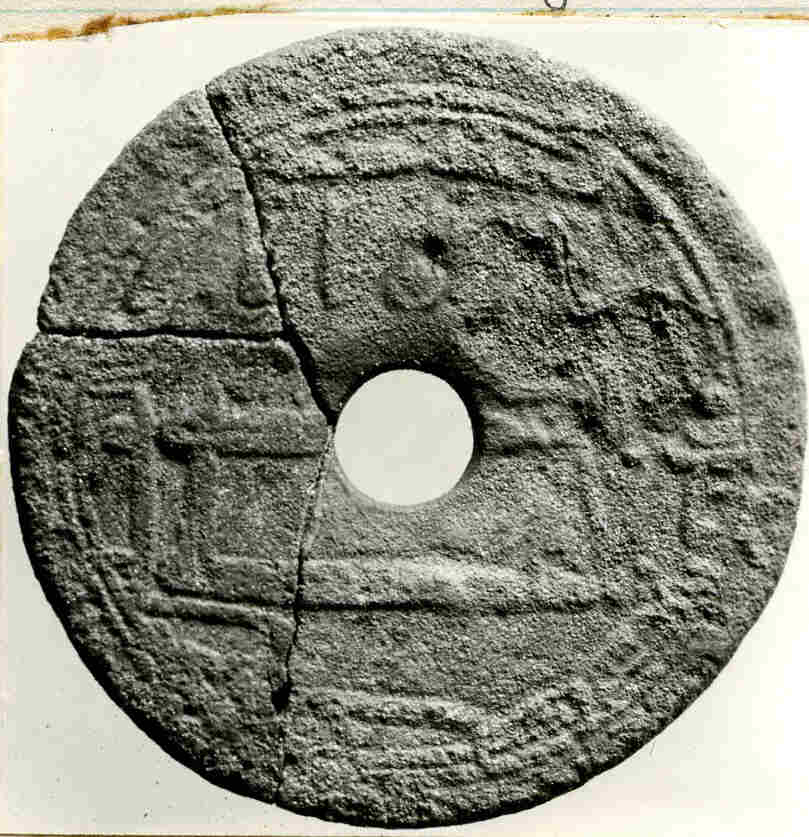
Heritage Analysis: The Copper Coin in Ancient Civilization
Introduction: The Coin as a Medium of Power and Adornment
The copper coin, a seemingly mundane object of economic exchange, holds within its modest composition a profound narrative of symbolic power, historical adornment, and spiritual resonance. In ancient civilizations, from the Roman Empire to the Han Dynasty, the coin was not merely a tool for trade but a potent emblem of authority, identity, and metaphysical protection. For Katherine Fashion Lab, a luxury brand dedicated to the fusion of heritage and high-end aesthetics, the copper coin emerges as a strategic artifact for 2026 collections. This analysis explores the coin’s layered significance—its role as a bearer of imperial symbolism, its use in personal adornment, its spiritual meanings across cultures, and its translation into a luxury strategy that resonates with contemporary connoisseurs.
Symbolic Power: The Coin as an Emblem of Authority
In ancient civilizations, the coin was an instrument of statecraft, stamped with the likeness of rulers, deities, or mythological symbols. The copper coin, in particular, was accessible to a broader populace, democratizing the representation of power. The Roman *as* and the Greek *obol*, both often minted in copper, carried the profile of emperors or gods like Jupiter and Athena, reinforcing the divine right to rule. This imagery was not decorative but functional: it asserted sovereignty, unified disparate territories under a common visual language, and reminded citizens of their allegiance. For Katherine Fashion Lab, the coin’s symbolic power offers a rich lexicon for luxury. The imprint of a ruler or a celestial motif can be reinterpreted as a brand emblem—a mark of exclusivity and heritage. In 2026, a high-end jewelry line featuring copper coins embossed with abstracted imperial profiles could evoke a sense of timeless authority, appealing to clients who value narratives of legacy and dominion. The coin’s circular form, an ancient symbol of eternity and cycles, further amplifies its power as a talisman of enduring influence.
Historical Adornment: The Coin as Personal Ornament
Beyond its monetary function, the copper coin was repurposed as adornment across ancient cultures. In the Hellenistic period, coins were perforated and strung into necklaces or bracelets, worn as amulets or status markers. Similarly, in ancient India, copper coins featuring the goddess Lakshmi were threaded into garlands for prosperity rituals. The practice of wearing coins transcended mere decoration; it signified wealth, protection, and connection to the divine. The copper medium, with its warm, reddish-gold patina, offered a tactile and visual richness that aged gracefully, developing a unique character over time. For Katherine Fashion Lab, this historical use of coins as adornment provides a direct lineage for luxury accessories. A 2026 collection could feature copper coin pendants, cuffs, or earrings, designed with intentional aging to mimic ancient wear—a process known as patination. This approach aligns with the growing luxury trend of “imperfect perfection,” where the beauty of use and time is celebrated. By incorporating coin motifs into wearable art, the brand can offer clients not just jewelry, but a piece of history—a tangible connection to the past that feels both authentic and exclusive.
Spiritual Meaning: The Coin as a Conduit for the Sacred
The spiritual dimension of the copper coin is arguably its most profound layer. In ancient China, copper coins with square holes (like the *ban liang*) were buried with the dead to ensure safe passage to the afterlife, symbolizing the crossing of the River Styx-like boundary. In Celtic traditions, copper coins were offered at sacred wells as tokens of gratitude or petition to the gods. The metal itself—copper—was revered for its conductive properties, believed to channel spiritual energy and offer protection against malevolent forces. This spiritual resonance is amplified by the coin’s circular shape, representing the cosmos, and its stamped imagery, often featuring protective deities or symbols like the crescent moon. For Katherine Fashion Lab, the coin’s spiritual meaning can be leveraged in a 2026 luxury strategy that emphasizes intention and ritual. A limited-edition collection, for example, could be marketed as “talismanic adornments,” each coin engraved with a specific blessing—prosperity, protection, or wisdom—based on ancient iconography. The use of copper, a material associated with healing and energy conduction in alternative wellness practices, positions the brand at the intersection of luxury and holistic living. This appeals to a discerning clientele seeking meaning beyond materialism, a key demographic in the post-pandemic luxury market.
2026 High-End Luxury Strategy: Translating Heritage into Market Leadership
Materiality and Craftsmanship
Copper, often undervalued in contemporary luxury compared to gold or silver, offers a strategic differentiator for Katherine Fashion Lab. Its affordability allows for intricate craftsmanship—hand-hammering, engraving, and patination—that would be cost-prohibitive with precious metals. For 2026, the brand can position copper as a “new heritage metal,” celebrating its ancient roots while elevating it through modern techniques. Collaborations with master metalworkers, who replicate ancient minting processes, can produce coins with authentic wear and historical motifs. This approach not only honors the past but also creates a unique selling proposition: each piece is a numbered artifact, blending archaeology with haute couture.
Narrative-Driven Collections
The coin’s dual role as a symbol of power and spirituality allows for layered storytelling. A 2026 collection could be structured around three pillars: “Authority” (featuring imperial profiles), “Adornment” (with wear-inspired designs), and “Spirit” (with talismanic engravings). Each piece would come with a “heritage card” detailing its ancient origin and symbolic meaning, transforming the purchase into an educational experience. This narrative depth is critical in a luxury market where consumers increasingly seek products with cultural resonance and ethical provenance.
Exclusivity and Limited Editions
To reinforce high-end positioning, Katherine Fashion Lab can produce a limited run of 500 copper coin pieces per design, each with a unique patina and serial number. The coins could be set in recycled sterling silver or sustainable wood, aligning with eco-luxury trends. A private preview event, styled after an ancient mint or temple, would launch the collection, offering VIP clients the chance to “mint” their own coin with a personal symbol—a modern take on ancient customization. This exclusivity drives desirability and creates a secondary market for collectors, further establishing the brand as a curator of heritage objects.
Strategic Partnerships and Cultural Authority
Collaborations with museums or archaeologists can lend scholarly credibility to the collection. For example, a partnership with a Roman or Han Dynasty exhibition could produce a co-branded line, with proceeds supporting conservation. This not only enhances brand prestige but also positions Katherine Fashion Lab as a guardian of cultural heritage, a powerful narrative in an era of cultural appropriation concerns. Additionally, digital NFTs of the coin designs, linked to physical purchases, can attract tech-savvy luxury buyers, blending ancient symbolism with blockchain authenticity.
Conclusion: The Coin as a Timeless Luxury Archetype
The copper coin, in its ancient form, is a microcosm of human civilization—a repository of power, beauty, and faith. For Katherine Fashion Lab, this humble object offers a strategic foundation for a 2026 luxury line that is both historically grounded and forward-looking. By emphasizing symbolic authority, historical adornment, and spiritual meaning, the brand can create products that resonate on multiple levels: as status symbols, as heirlooms, and as talismans. The copper medium, with its warm patina and accessible luxury, challenges traditional hierarchies of precious materials, offering a fresh aesthetic for the discerning client. In a market saturated with digital noise and fast fashion, the coin’s tangible heritage provides a quiet, enduring statement—a piece of the past that carries the weight of the future. Katherine Fashion Lab, by embracing this artifact, not only honors ancient traditions but also charts a course for meaningful, narrative-driven luxury that stands apart in 2026 and beyond.