Deconstructing the Saddle: A Study in Materiality and Cultural Narrative
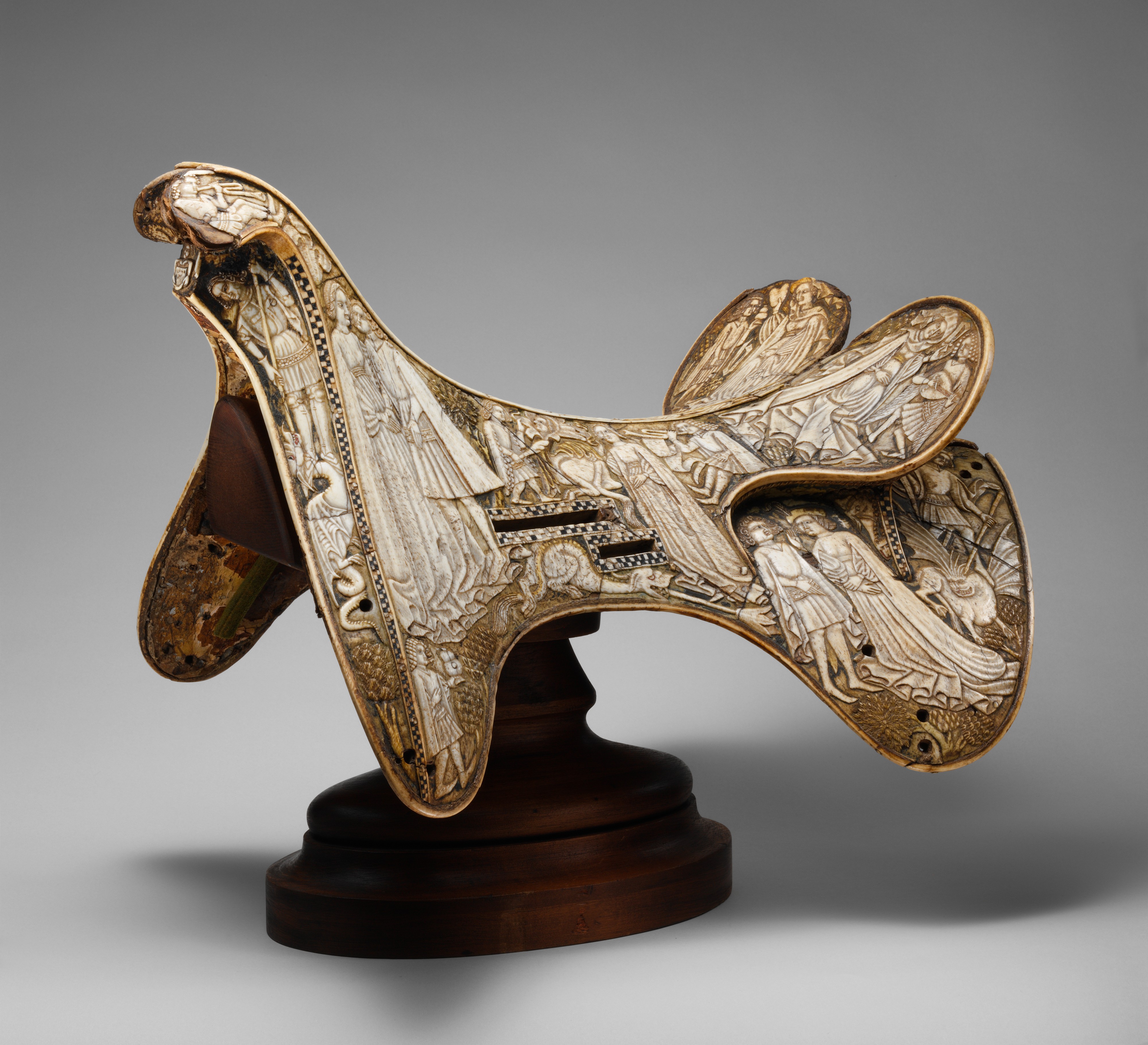
The saddle, often perceived as a purely functional object—a tool for equestrian mobility—transcends its utilitarian origins when examined through the lens of couture analysis. At Katherine Fashion Lab, we approach artifacts not merely as historical relics but as profound statements of design, resourcefulness, and identity. The subject of this study, a saddle originating from Central Europe, is a masterclass in the intentional selection and juxtaposition of materials. Constructed from bovine bone for its core structure, it is adorned with deer antler and bone, supported by limewood, and finished with rawhide, birchbark, and metal paint. This is not a saddle for the casual rider; it is a ceremonial object, a testament to a culture that wove its environment into its most treasured possessions.
To understand this piece is to appreciate the material logic at play. The choice of bovine bone for the saddle’s body is a statement of strength and permanence. Unlike wood, which can warp or rot, or leather, which can wear thin, bone is a dense, mineralized tissue that offers exceptional rigidity. In Central European traditions, particularly among pastoral and hunting communities, the use of bone signified a deep respect for the animal’s life—a transformation of mortality into utility and beauty. The saddle’s form, carved from a single or composite bone structure, suggests a meticulous process of shaping, smoothing, and hollowing, likely using stone or metal tools. This labor-intensive technique elevates the object from craft to art, as each curve and contour must be coaxed from a material that resists manipulation.
The Skeletal Architecture: Bovine Bone as Structural Core
The primary material—bovine bone—provides the saddle’s foundational silhouette. In couture analysis, we consider the silhouette as the first point of visual and physical engagement. Here, the bone’s natural curvature informs the saddle’s ergonomic design. The pommel and cantle (the front and back raised sections) are not arbitrarily shaped; they follow the organic flow of the original bone, perhaps from a femur or rib, which naturally accommodates the rider’s seated posture. The surface, when examined closely, reveals a patina of age—microscopic fissures and a subtle ivory hue that speaks to centuries of handling. This is not a flaw but a textural narrative. The bone’s porous nature, when polished, creates a tactile experience akin to fine porcelain, yet it retains a warmth that metal or plastic can never replicate.
The decision to use bone as the core also introduces a dialogue between fragility and resilience. Bone is brittle under sudden impact but remarkably strong under compression. The saddle’s designers understood this, reinforcing critical stress points with additional layers of rawhide and birchbark. This is a sophisticated understanding of material science, long before the formalization of engineering principles. The structural integrity of the saddle is not accidental; it is a calculated response to the demands of riding, where the saddle must distribute the rider’s weight evenly across the horse’s back while enduring the dynamic forces of motion.
Adornment as Identity: Deer Antler and Bone
The decorative elements of deer antler and bone transform the saddle from a functional object into a ceremonial regalia. Deer antler, a material that is both lightweight and incredibly tough, is used for inlays and appliqués. Its natural branching form is often carved into stylized motifs—geometric patterns, animal figures, or abstract symbols. In Central European folklore, the deer was a creature of the forest, associated with agility, regeneration, and the hunt. By incorporating antler, the saddle’s maker imbued the object with the spirit of the deer, linking the rider to the natural world and its cycles of life and death.
The contrast between the bovine bone’s smooth, ivory-like surface and the deer antler’s textured, knobby grain creates a visual tension that is essential to couture. This is not a uniform aesthetic; it is a deliberate juxtaposition of textures that invites the eye to travel across the saddle’s surface. The deer bone, often used for smaller decorative studs or border elements, provides a lighter, more porous counterpoint to the bovine’s density. Together, they create a rhythmic pattern that echoes the natural world’s diversity. In a standalone study, we must note that these adornments are not mere embellishments; they are signifiers of status and lineage. The quantity and complexity of antler work likely indicated the owner’s wealth, hunting prowess, or spiritual connection to the forest.
Support and Finish: Limewood, Rawhide, Birchbark, and Metal Paint
Beneath the bone and antler lies a supporting structure of limewood. Limewood, known for its fine grain and resistance to splitting, was a common choice for furniture and tool handles in Central Europe. Here, it serves as a substructure that cradles the bone elements and provides attachment points for the rawhide and birchbark. The limewood is not visible in the final piece; it is a hidden engineering marvel, much like the internal boning in a couture gown. Its inclusion speaks to a layered construction philosophy, where each material plays a specific role: bone for rigidity, wood for flexibility, and rawhide for tension.
Rawhide, made from animal skin that has been scraped and dried without tanning, is used to bind the components together. It is a material that shrinks as it dries, creating a tight, almost shrink-wrapped fit around the bone and wood. This technique, known as wet-forming, is a hallmark of traditional leathercraft. The rawhide’s natural translucency, when treated with oils or resins, develops a rich amber tone that complements the bone’s ivory. Birchbark, harvested from the paper birch tree, is applied in thin layers, often as a protective coating or as a base for the metal paint. Birchbark is naturally waterproof and antimicrobial, making it an ideal barrier against moisture and decay. Its silvery-brown hue adds a muted, organic contrast to the metallic elements.
The metal paint—likely a mixture of powdered copper, tin, or iron with a binding agent—is the final layer of this material symphony. Applied in geometric or curvilinear patterns, the paint catches light and creates a shimmering effect that elevates the saddle’s visual impact. In a dimly lit hall or during a ceremonial procession, these metallic accents would have glinted, drawing the eye and signaling the object’s importance. The paint is not merely decorative; it is a protective coating that seals the birchbark and rawhide from the elements. Over time, the paint may have oxidized, developing a verdigris or patina that adds depth and historical resonance.
Contextualizing the Standalone Study
In a standalone study, we are freed from the constraints of a larger exhibition narrative. This saddle becomes a microcosm of Central European material culture. It is a document of environmental adaptation—using the byproducts of hunting and agriculture to create a object of both utility and beauty. The saddle’s design reflects a symbiotic relationship between humans, animals, and forest. The bovine bone comes from domesticated cattle, central to agrarian life; the deer antler comes from wild game, emblematic of the forest’s bounty; the birchbark comes from the tree line, a resource for shelter and craft. Each material tells a story of procurement, processing, and reverence.
From a couture perspective, this saddle challenges our modern notions of luxury. Today, luxury often implies rarity, expense, and exoticism. Here, luxury is derived from intentionality and skill. The materials are common—bone, wood, bark—but their transformation through labor and design is extraordinary. The saddle is a wearable sculpture, a piece that would have adorned a horse as a couture gown adorns a human body. Its presence commands attention, not through ostentation but through the quiet power of its material integrity.
In conclusion, this Central European saddle is a profound lesson in material storytelling. It teaches us that every object carries the DNA of its making: the hand that carved the bone, the eye that selected the antler, the patience that layered the birchbark. At Katherine Fashion Lab, we champion such artifacts as benchmarks for contemporary design—reminders that true luxury lies in the marriage of function, material, and narrative. The saddle is not just a relic; it is a blueprint for how to honor the earth’s resources while creating objects of enduring beauty. Its legacy is one of respect—for the animal, the forest, and the craft that binds them together.