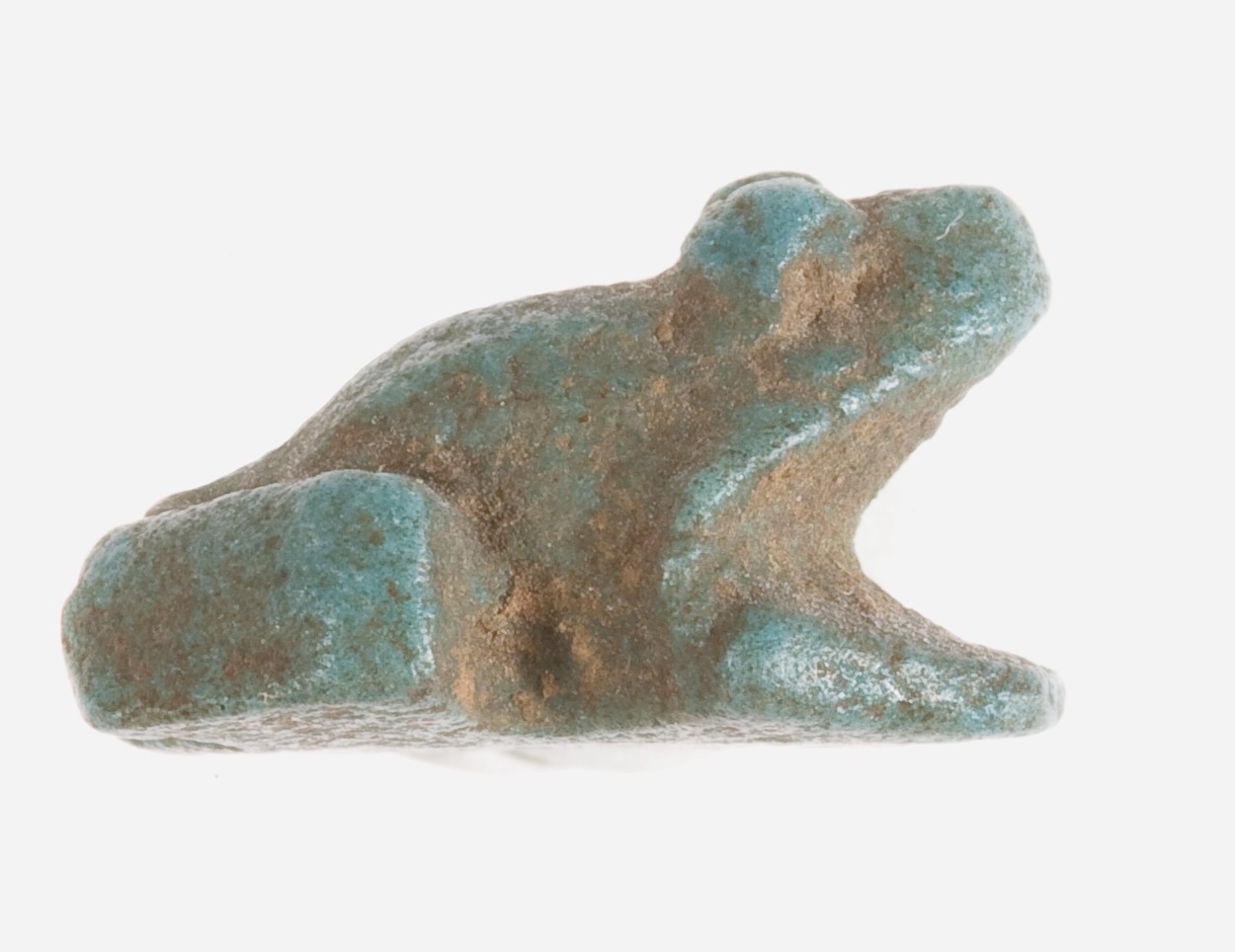
Heritage Analysis: The Frog Amulet in Faience
In the study of ancient adornment, few objects encapsulate the convergence of symbolic power, material prestige, and spiritual resonance as succinctly as the frog amulet crafted from faience. As Lead Heritage Curator for Katherine Fashion Lab, I present this strategic standalone research to illuminate the cultural and commercial potential of this artifact. The frog amulet, originating from ancient civilizations such as Egypt, Mesopotamia, and the Indus Valley, serves as a profound case study for understanding how historical objects can inform a 2026 high-end luxury strategy. This analysis delves into the amulet’s symbolic potency, its role in historical adornment, its spiritual meaning, and the actionable insights for positioning Katherine Fashion Lab at the forefront of heritage-driven luxury.
Symbolic Power of the Frog Amulet
The frog amulet’s symbolic power is deeply rooted in its association with fertility, rebirth, and abundance. In ancient Egyptian culture, the frog was linked to the goddess Heket, who presided over childbirth and creation. The frog’s life cycle—emerging from water, metamorphosing, and thriving in marshy environments—made it a potent emblem of regeneration and the Nile’s annual flood, which sustained agriculture. Similarly, in Mesopotamian traditions, frogs were revered as symbols of protection against evil and chaos, often placed in tombs to ensure safe passage into the afterlife. The Indus Valley civilization, too, depicted frogs in terracotta seals, signifying rain and agricultural prosperity.
For Katherine Fashion Lab, this symbolic power offers a narrative of resilience and renewal—values that resonate with contemporary luxury consumers seeking meaning beyond materiality. The frog amulet, as a token of transformation, aligns with the modern desire for personal growth and sustainability. By integrating this symbolism into high-end accessories or jewelry, the Lab can position itself as a purveyor of objects that transcend decoration, offering wearers a tangible connection to ancient wisdom.
Historical Adornment and Material Significance
The medium of faience is critical to understanding the frog amulet’s historical role in adornment. Faience, a non-clay ceramic material composed of crushed quartz, alkaline salts, and coloring agents, was prized in ancient civilizations for its ability to mimic precious stones like turquoise and lapis lazuli. Its glossy, vitreous finish made it an affordable yet luxurious alternative for amulets, beads, and figurines. The frog amulet, often rendered in vibrant blue-green hues, was worn as a pendant, sewn onto garments, or carried as a talisman. Its small scale and portability allowed for intimate, personal adornment, reinforcing the wearer’s connection to divine forces.
From a strategic perspective, the materiality of faience presents a unique opportunity for Katherine Fashion Lab. The 2026 luxury market is increasingly drawn to materials with heritage and artisanal value. Faience, with its ancient production techniques and distinctive aesthetic, can be reinterpreted through modern craftsmanship—whether in high-end ceramics, composite jewelry, or decorative elements. The Lab could collaborate with contemporary artisans to recreate faience-like finishes using sustainable methods, thereby honoring tradition while appealing to eco-conscious consumers. This approach not only differentiates the brand but also adds a layer of intellectual and historical depth to product offerings.
Spiritual Meaning and Ritual Context
The spiritual meaning of the frog amulet extends beyond its visual appeal, rooted in ritualistic and protective functions. In ancient Egyptian burial practices, frog amulets were placed on mummies to ward off evil and ensure rebirth in the afterlife. The amulet’s placement on the body—often near the throat or chest—was deliberate, aligning with the belief that specific body parts required divine protection. This practice reflects a sophisticated understanding of the human body as a vessel for spiritual energy, where adornment served as both armor and conduit.
For Katherine Fashion Lab, this spiritual dimension offers a powerful branding narrative. The frog amulet can be framed as an object of intentionality—a piece that invites the wearer to cultivate inner strength, protection, and transformation. In the context of 2026 luxury, where consumers are prioritizing wellness and mindfulness, the amulet’s spiritual legacy can be leveraged to create a line of “ritual accessories.” These could include limited-edition pieces with curated packaging that tells the story of the amulet’s origins, accompanied by guided meditations or symbolic meanings. Such an approach would elevate the product from mere ornament to a tool for personal empowerment, aligning with the growing trend of “conscious luxury.”
2026 High-End Luxury Strategy: Integrating Heritage with Innovation
To translate the frog amulet’s heritage into a viable 2026 luxury strategy, Katherine Fashion Lab must adopt a multi-faceted approach that balances authenticity with innovation. The following strategic pillars are essential:
Heritage Storytelling as Brand Equity
The frog amulet’s narrative must be woven into the brand’s core identity. This requires meticulous research into its ancient contexts, including iconography, ritual use, and regional variations. For instance, the Egyptian frog amulet’s association with Heket can be highlighted in a collection centered on “Fertility and Renewal,” while the Mesopotamian variant’s protective qualities can inform a line of “Guardian Talismans.” Each piece should be accompanied by a digital provenance card, detailing its historical inspiration and material composition. This transparency builds trust and positions the Lab as a custodian of cultural heritage, not merely a commercial entity.
Material Innovation and Sustainability
Faience’s eco-friendly potential—given its natural components—aligns with the 2026 luxury market’s emphasis on sustainability. The Lab should invest in research to develop a modern faience composite that uses recycled quartz or bio-based binders, reducing environmental impact while preserving the material’s luster. Collaborations with ceramic artists and material scientists can yield exclusive finishes, such as iridescent glazes or textured surfaces, that evoke the original amulet’s tactile appeal. This innovation can be marketed as “Ancient Techniques, Modern Ethics,” appealing to discerning clients who value both aesthetic and ecological integrity.
Limited-Edition and Bespoke Offerings
Scarcity is a cornerstone of luxury. The frog amulet collection should be released in limited editions, perhaps tied to lunar cycles or solstices, to reinforce its spiritual significance. Bespoke services could allow clients to commission personalized amulets with specific gemstone inlays or engravings, referencing the ancient practice of customizing amulets for individual protection. This exclusivity not only drives demand but also fosters a sense of ownership and connection to the artifact’s history.
Experiential Retail and Digital Integration
To bridge the gap between ancient ritual and modern consumption, Katherine Fashion Lab should design immersive retail experiences. Pop-up exhibitions could feature replicas of frog amulets alongside augmented reality (AR) displays that show their original contexts—such as a virtual Nile flood or a Mesopotamian tomb. Digital platforms could offer “amulet rituals,” where buyers receive guidance on how to activate the piece’s symbolic power, perhaps through a dedicated app. This fusion of physical and digital luxury enhances customer engagement and positions the Lab as a pioneer in experiential branding.
Conclusion: A Legacy of Transformation
The frog amulet in faience is more than a historical artifact; it is a blueprint for a 2026 luxury strategy that prioritizes meaning, craftsmanship, and spiritual resonance. For Katherine Fashion Lab, this analysis reveals an opportunity to lead the market by resurrecting ancient symbols through modern innovation. By embracing the frog amulet’s symbolic power, historical adornment, and spiritual meaning, the Lab can craft a narrative of transformation that speaks to the contemporary luxury consumer’s deepest aspirations. In doing so, it will not only honor the past but also define the future of heritage-driven luxury.