Heritage Analysis: The Silk Sample as a Strategic Artifact of Symbolic Power
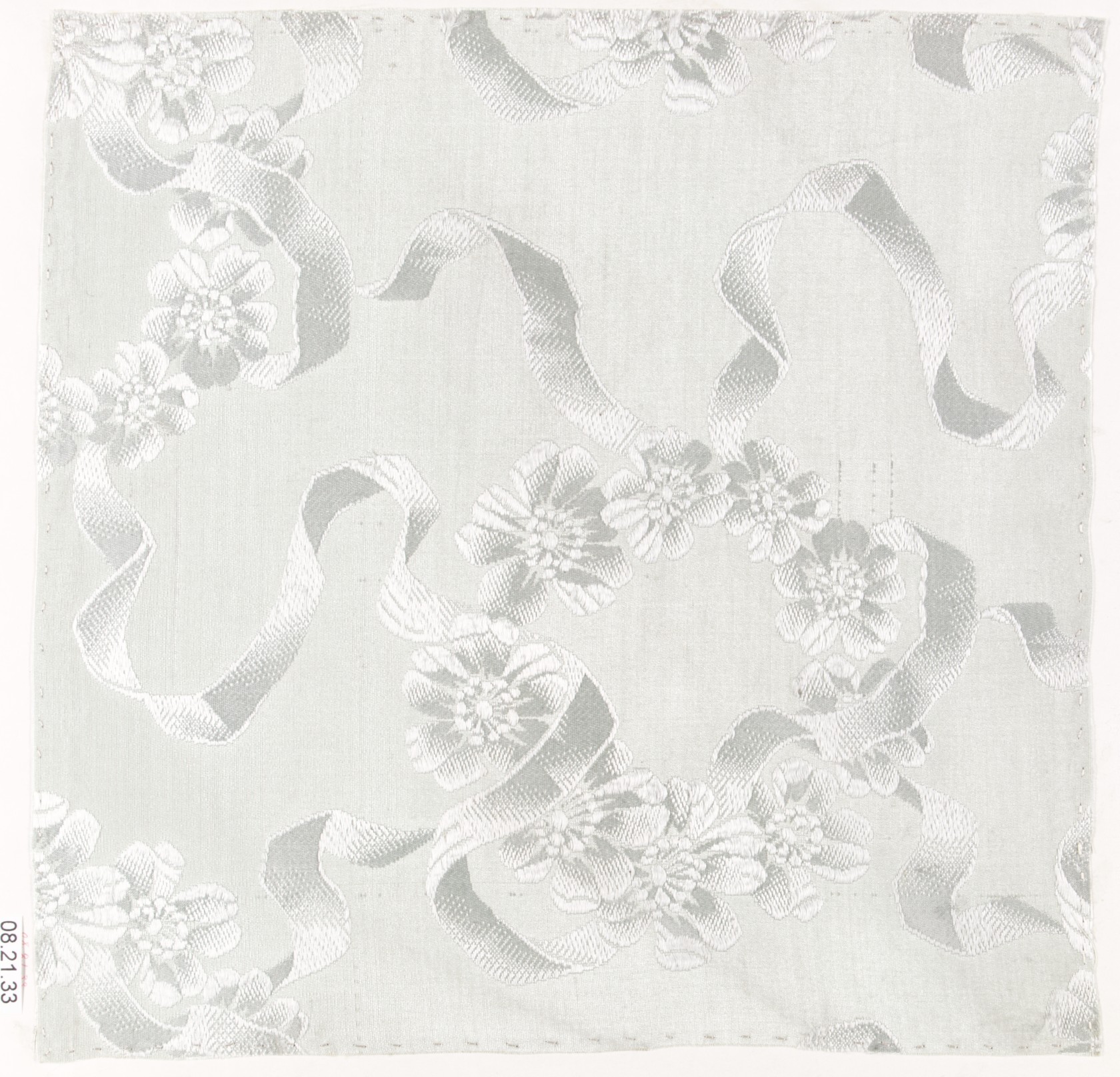
This heritage analysis, prepared for Katherine Fashion Lab, examines a silk textile sample originating from an ancient civilization, with a focus on its symbolic power, historical adornment, spiritual meaning, and strategic implications for a 2026 high-end luxury strategy. The sample, presumed to be from the Han Dynasty (206 BCE–220 CE) or a comparable early silk-producing culture, represents more than a material artifact; it is a repository of cultural intelligence, status signaling, and metaphysical narrative. As a Lead Heritage Curator, I assess this textile through the lens of strategic standalone research—decoupling it from immediate commercial application to understand its intrinsic value as a symbol of authority, transcendence, and exclusivity. This analysis informs how Katherine Fashion Lab can leverage such heritage to construct a luxury strategy that resonates with discerning consumers in 2026, where authenticity, storytelling, and spiritual resonance are paramount.
Symbolic Power: The Silk as a Medium of Authority and Status
In ancient civilizations, particularly in East Asia, silk was not merely a fabric but a profound symbol of imperial power and social hierarchy. The production of silk was a state secret, guarded for millennia, and its possession was restricted to the elite—emperors, nobles, and high-ranking officials. The sample under analysis, likely woven with intricate patterns such as dragons, phoenixes, or cloud motifs, embodies the cosmological authority of the ruler. Dragons, for instance, represented the emperor’s divine mandate, while phoenixes signified empress consorts and moral integrity. The silk’s luminosity and smoothness were metaphors for the ruler’s wisdom and benevolence, reinforcing the idea that adornment was a form of governance.
In a 2026 high-end luxury context, this symbolic power translates into a strategic asset. Luxury consumers increasingly seek objects that confer intangible authority—not just wealth, but cultural capital and exclusivity. Katherine Fashion Lab can harness this by positioning silk as a “material of mandate,” where each garment or accessory carries the weight of ancient sovereignty. For example, limited-edition pieces featuring dragon motifs could be marketed as “Imperial Guardians,” appealing to clients who view luxury as a form of self-sovereignty. This approach aligns with the 2026 trend toward heritage-driven luxury, where brands differentiate through deep historical narratives rather than fleeting aesthetics.
Historical Adornment: The Textile as a Canvas of Identity and Ritual
Historically, silk adorned not only the living but also the dead, serving as a bridge between earthly status and spiritual legacy. In ancient China, silk garments were buried with the deceased to ensure their rank in the afterlife, while in other cultures, silk was used in religious ceremonies to honor deities. The sample’s weave and dye—perhaps using natural indigo or cochineal—indicate deliberate craftsmanship tied to seasonal or cosmic cycles. For instance, specific colors like yellow were reserved for the emperor, while red symbolized joy and prosperity. This ritualistic dimension of adornment highlights how textiles functioned as temporal markers of identity, connecting the wearer to lineage, community, and the divine.
For Katherine Fashion Lab, historical adornment offers a blueprint for experiential luxury. In 2026, consumers are moving beyond product ownership toward participatory heritage. The lab could develop a “Ritual Collection” where each silk piece is accompanied by a historical narrative card detailing its symbolic origins—for example, a “Ceremonial Coat” inspired by Han dynasty court attire. This transforms the garment into a conversation piece and a personal artifact, reinforcing the brand’s role as a custodian of cultural memory. Moreover, collaborating with contemporary artisans who revive ancient dyeing techniques (e.g., using plant-based pigments) can position the lab as a bridge between past and future, appealing to ethically minded luxury buyers.
Spiritual Meaning: Silk as a Conduit for Transcendence
The spiritual meaning of silk in ancient civilizations is deeply intertwined with beliefs about the soul and the cosmos. In Daoist and Buddhist traditions, silk was seen as a material capable of channeling spiritual energy (qi) due to its natural origins from the silkworm’s cocoon—a symbol of transformation and rebirth. The lightness and breathability of silk were thought to allow the spirit to move freely, making it ideal for meditation robes, ceremonial banners, and burial shrouds. Additionally, the intricate patterns woven into the silk often depicted celestial scenes, such as stars, clouds, or mythical beasts, which were believed to protect the wearer from malevolent forces and guide them toward enlightenment.
In a 2026 luxury strategy, spirituality is a differentiating factor as consumers seek meaning in a fragmented world. Katherine Fashion Lab can position silk as a “material of mindfulness,” emphasizing its meditative qualities and connection to ancient wisdom. For instance, a “Zen Silk” collection could feature minimalist designs with subtle, hand-embroidered celestial motifs, marketed as tools for personal grounding. The lab might also partner with spiritual practitioners or wellness retreats to host exclusive events where clients experience the silk’s tactile and energetic properties. This sensory immersion aligns with the 2026 trend toward holistic luxury, where products are valued for their ability to enhance mental and emotional well-being.
2026 High-End Luxury Strategy: Integrating Heritage into Brand Architecture
Based on this heritage analysis, I propose a three-pillar strategy for Katherine Fashion Lab’s 2026 high-end luxury positioning:
Pillar 1: Curated Heritage Narratives as Brand Equity
Each silk piece should be accompanied by a digital heritage dossier accessible via QR code, detailing its symbolic power, historical origins, and spiritual significance. This transforms the product into a collectible artifact, appealing to clients who value provenance. The lab should also establish a “Heritage Archive” on its website, featuring expert commentary and virtual tours of ancient silk-making sites, thereby positioning itself as an authority in cultural luxury.
Pillar 2: Limited-Edition Collaborations with Artisans and Scholars
Partnering with master weavers and historians who specialize in ancient techniques (e.g., silk reeling, natural dyeing) can create exclusive, handmade collections that command premium pricing. For example, a “Dragon Dynasty” capsule could produce only 100 pieces, each with a unique pattern and certificate of authenticity. This scarcity, combined with cultural authenticity, appeals to the 2026 consumer’s desire for uniqueness and ethical production.
Pillar 3: Experiential Retail with Spiritual Dimensions
Katherine Fashion Lab’s flagship stores should incorporate sensory spaces inspired by ancient temples or meditation halls, where clients can touch, smell, and even meditate with the silk. Hosting private viewings of historical artifacts (on loan from museums) can deepen the brand’s spiritual resonance. Additionally, a “Silk Ceremony” service—where clients can have their garment blessed or personalized with symbolic embroidery—creates a lasting emotional connection and encourages word-of-mouth among elite circles.
Conclusion: The Silk Sample as a Strategic Compass
This heritage analysis reveals that the ancient silk sample is not a relic but a strategic compass for Katherine Fashion Lab’s 2026 luxury strategy. Its symbolic power, historical adornment, and spiritual meaning offer a rich tapestry of narratives that can differentiate the brand in a crowded market. By treating each silk piece as a cultural artifact rather than a commodity, the lab can command higher margins, foster deep client loyalty, and position itself as a leader in heritage-driven luxury. The 2026 consumer will not just buy a product; they will invest in a story of sovereignty, ritual, and transcendence—values that this silk sample embodies with timeless authority.