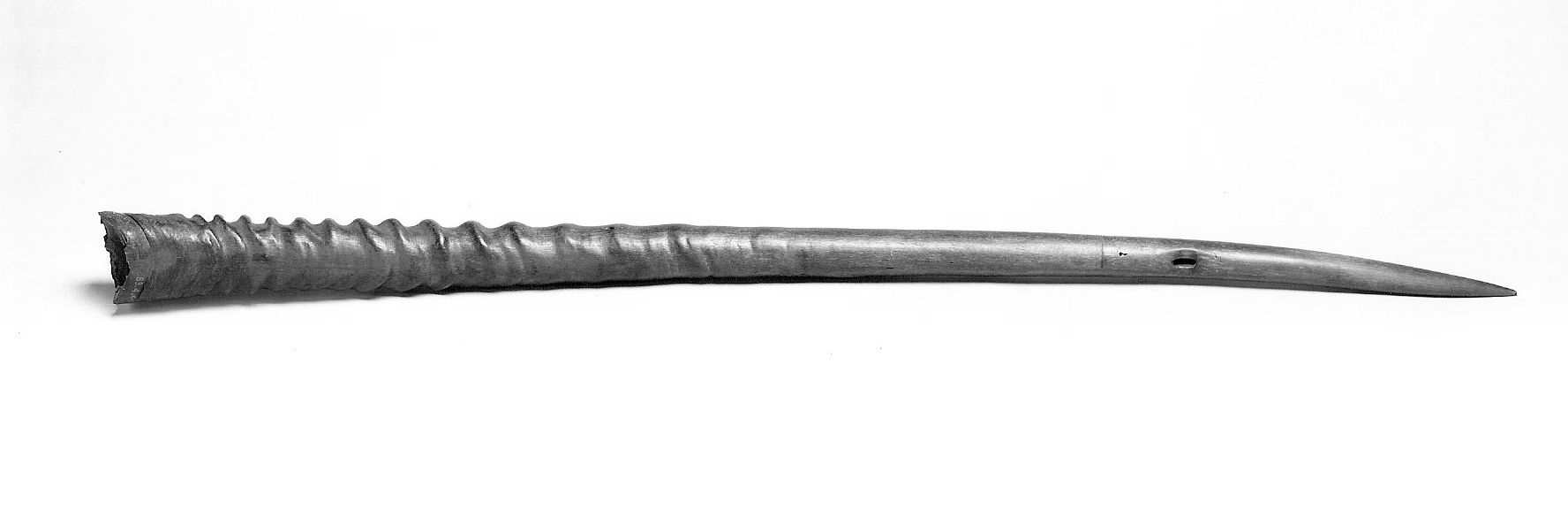
Heritage Analysis: The Symbolic Resonance of Horn in Xhosa Culture and Its Strategic Application for 2026 Luxury
Introduction: The Horn as a Vessel of Power and Prestige
In the context of Katherine Fashion Lab’s strategic heritage research, the horn—specifically as sourced from the Xhosa cultural tradition—emerges as a potent symbol of authority, spiritual mediation, and ancestral continuity. For the Xhosa people of South Africa, the horn is far more than an organic medium; it is a charged object that bridges the material and metaphysical realms. This analysis examines the horn’s historical adornment, symbolic power, and spiritual meaning within Xhosa cosmology, and proposes a high-end luxury strategy for 2026 that respects this heritage while positioning it within a contemporary, ultra-luxury context. The horn’s narrative is one of transformation—from a natural object to a ceremonial artifact, and now to a potential cornerstone of an ethically awakened luxury brand.
Historical Adornment: The Horn as a Marker of Status and Rite
Historically, the horn in Xhosa culture was not merely decorative but functional in its symbolism. Ixhiba (the traditional Xhosa headdress) and amakrwala (initiates) often incorporated horn elements, particularly from cattle, which hold deep economic and spiritual value. The horn was carved, polished, and integrated into necklaces, headpieces, and staffs worn by chiefs, warriors, and diviners. Its use in adornment signified:
- Leadership: Horns from bulls were reserved for royalty, representing strength, fertility, and the ability to lead the community.
- Rites of Passage: During initiation ceremonies, young men wore horn amulets to channel protective energies and mark their transition into manhood.
- Warrior Prestige: Horns were attached to shields or worn as pendants to intimidate enemies and invoke ancestral protection in battle.
The materiality of the horn—its hardness, curvature, and natural grain—was revered. Artisans would shape it into izaci (snuff containers) and izintsimbi (ankle rattles), but its use in personal adornment was always deliberate: to visually communicate one’s place within the social and spiritual hierarchy. For Katherine Fashion Lab, this historical context provides a foundation for design authenticity—the horn is not a trend but a lineage.
Symbolic Power: The Horn as a Conduit of Authority
In Xhosa cosmology, the horn embodies amandla (power) and isithunzi (dignity or presence). It is associated with the amadlozi (ancestors), who are believed to communicate through natural elements. The horn’s shape—curving upward—symbolizes a connection between the earth and the heavens, a channel for prayers and blessings. Key symbolic dimensions include:
- Protection: Horns were often filled with medicinal herbs and worn as protective amulets (imithi) to ward off evil spirits and misfortune.
- Fertility and Prosperity: Cattle horns, in particular, were linked to wealth and abundance, as cattle are a traditional measure of a family’s status.
- Voice of the Ancestors: Diviners (amagqirha) used horns as containers for sacred herbs or as sound instruments to call upon ancestral guidance during rituals.
This symbolic power is not static; it evolves with context. For a luxury brand, the horn can be reinterpreted as a signifier of moral authority—a material that speaks to heritage, resilience, and ethical stewardship. In the 2026 market, where consumers seek meaning over mere aesthetics, the horn’s symbolic weight offers a narrative of grounded power that differentiates it from synthetic or mined materials.
Spiritual Meaning: The Horn in Ritual and Daily Life
Spiritually, the horn is a sacred repository. In Xhosa tradition, it is used to store ubulembu (medicinal mixtures) that are applied during healing ceremonies. The horn’s natural cavity is seen as a womb-like space that holds spiritual energy. During umhlonyane (a coming-of-age ritual for girls) and ulwaluko (male initiation), horn amulets are worn to ensure a successful transition and to protect the initiate from spiritual harm.
The horn also appears in ukutshona (ancestral invocation) practices, where it is used to sprinkle water or snuff as an offering. Its role is both intimate and communal: it connects the individual wearer to a broader lineage of ancestors and community members. For a luxury brand, this spiritual dimension demands reverent handling. Any use of horn in 2026 must acknowledge its sacred origins and avoid trivialization. This can be achieved through:
- Collaboration with Xhosa artisans and cultural custodians to ensure proper sourcing and blessing of materials.
- Storytelling that educates consumers on the spiritual significance, positioning the horn as a talisman rather than mere ornament.
- Material integrity: using ethically sourced, naturally shed horn (from cattle or game) to honor the cycle of life and death.
2026 High-End Luxury Strategy: The Horn as a Heritage-Led Asset
For Katherine Fashion Lab to integrate the Xhosa horn into a 2026 luxury strategy, the approach must be curatorial, not commercial. The following strategic pillars are recommended:
1. Material as Narrative
Position the horn as a heritage material with a provenance story. Each piece should be accompanied by a digital or physical “passport” detailing its origin, the Xhosa artisan who shaped it, and the symbolic meaning of the design. This aligns with the 2026 luxury consumer’s demand for transparency and cultural respect. The horn should not be mass-produced; instead, limited-edition collections (e.g., 100 pieces per year) will reinforce exclusivity and sacredness.
2. Design Language: Minimalism with Symbolic Depth
Luxury in 2026 favors understatement over ostentation. The horn should be used in sculptural, clean silhouettes—for example, a single horn pendant on a raw silk cord, or horn inlays on leather cuffs. The curvature and natural grain should be highlighted, not obscured. Color palettes should remain neutral (ivory, charcoal, deep brown) to let the material’s organic beauty speak. This approach respects Xhosa aesthetics, which often prize natural finishes over excessive ornamentation.
3. Ethical Sourcing and Cultural Partnership
Establish a Heritage Stewardship Program with Xhosa communities. This includes:
- Direct sourcing of horn from ethical game reserves or cattle farmers who practice humane animal husbandry.
- Revenue-sharing models that allocate a percentage of sales to Xhosa cultural preservation initiatives (e.g., initiation schools, craft cooperatives).
- Co-creation with Xhosa master artisans, whose names should be credited on each piece—a practice that elevates craftsmanship to the level of fine art.
4. Spiritual Positioning: The Horn as a Modern Talisman
Market the horn as a contemporary amulet for the discerning collector. In 2026, luxury consumers are drawn to objects that offer protection, grounding, and connection. Katherine Fashion Lab can frame horn pieces as “Ancestral Anchors”—wearable objects that honor personal and collective heritage. This can be supported by:
- Ritualized unboxing experiences inspired by Xhosa blessings (e.g., a smudging ceremony or a written blessing from an elder).
- Editorial content that explores the horn’s spiritual role, featuring Xhosa voices and contemporary artists.
5. Pricing and Distribution
Position horn pieces at the ultra-luxury tier (€5,000–€20,000 for signature items). Distribution should be selective: flagship stores in London, Paris, and Cape Town, with an emphasis on private viewings and by-appointment consultations. Digital presence should be minimal but immersive, using 3D storytelling and virtual reality to convey the horn’s texture and history.
Conclusion: The Horn as a Bridge Between Worlds
The Xhosa horn is not a trend to be appropriated but a legacy to be translated. For Katherine Fashion Lab, the strategic opportunity lies in honoring its symbolic power, historical adornment, and spiritual meaning while weaving it into a luxury language of timelessness and ethical depth. In 2026, the horn can become a signature material that signals not just wealth, but wisdom—a material that carries the voice of ancestors into the future of fashion. This is not merely a product strategy; it is a cultural responsibility. By treating the horn with the reverence it commands, Katherine Fashion Lab can set a new standard for heritage-led luxury that is both profitable and principled.