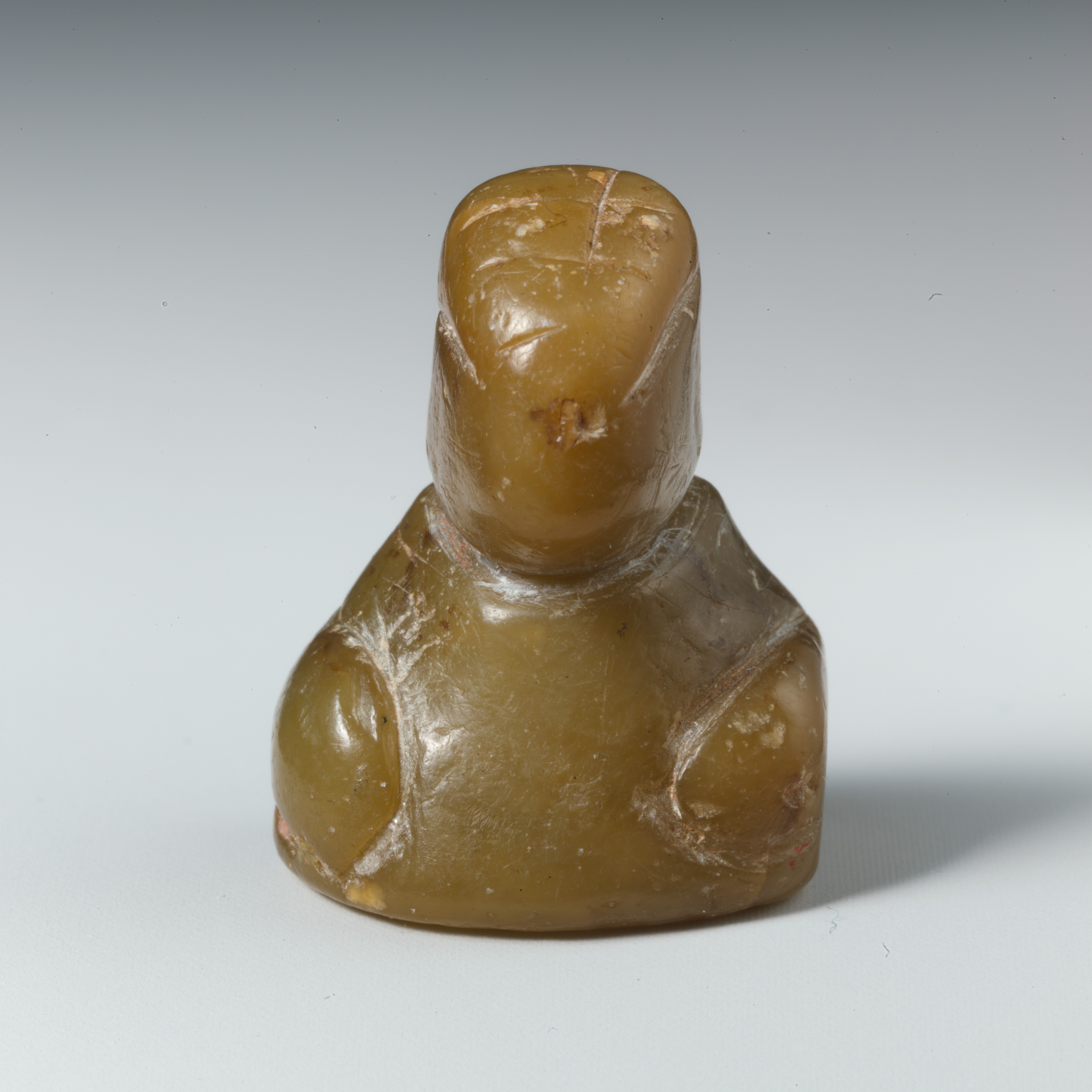
Executive Analysis: The Steatite Bust as a Heritage Artifact
The steatite bust from Minoan civilization—circa 1600–1450 BCE—represents a pivotal intersection of symbolic power, historical adornment, and spiritual meaning. Carved from steatite, a soft soapstone prized for its tactile warmth and ability to capture fine detail, this artifact embodies the Minoan elite’s sophisticated understanding of material symbolism. For Katherine Fashion Lab, this object offers a strategic blueprint for 2026 luxury positioning, where heritage, craftsmanship, and metaphysical resonance converge to define exclusivity.
Symbolic Power: The Steatite Bust as an Icon of Authority
In Minoan culture, steatite was not merely a medium but a statement of hierarchical control. The bust—often depicting a priestess or goddess—served as a conduit for divine legitimacy. The soft, dark stone, typically gray-green or black, conveyed permanence and mystery, contrasting with the ephemeral nature of daily life. Archaeologists have identified such busts in palatial contexts at Knossos and Phaistos, suggesting their use in ritual spaces where the elite reinforced their connection to the Minoan mother goddess. The bust’s facial features—large eyes, serene expression, and intricate headdress—were deliberate markers of transcendent authority.
For luxury brand strategy, this symbolic power translates into narrative exclusivity. The steatite bust’s ability to anchor political and spiritual authority within a single object offers a model for how Katherine Fashion Lab can position its 2026 collections. By referencing Minoan iconography—such as the snake-wielding goddess or the double axe motif—the brand can imbue garments and accessories with a sense of inherited power. This is not mere decoration but a deliberate invocation of cultural sovereignty, appealing to high-net-worth clients who seek objects with historical gravitas.
Historical Adornment: The Craft and Context of Minoan Luxury
Adornment in Minoan society was a multi-sensory experience. The steatite bust, often inlaid with gold, ivory, or rock crystal, exemplifies the era’s layered luxury. Steatite’s softness allowed artisans to carve intricate patterns—spirals, rosettes, and wave motifs—that echoed the natural world. These details were not random; they aligned with Minoan cosmology, where the sea, earth, and sky were interconnected. The bust’s adornment extended beyond its surface: traces of pigment suggest it was painted in vibrant blues, reds, and yellows, making it a focal point in torch-lit ceremonies.
Historically, such objects were part of a broader system of elite display. Minoan women wore elaborate jewelry, layered textiles, and headpieces that mirrored the bust’s aesthetic. The steatite bust thus functioned as a miniature monument to personal and collective identity. For Katherine Fashion Lab, this historical context offers a rich resource for 2026 collections. The brand can adopt Minoan techniques—such as inlay work and polychrome detailing—in limited-edition pieces. For example, a steatite-inspired pendant or brooch could feature gold filigree and semi-precious stones, echoing the bust’s original opulence. This approach positions the brand within a lineage of artisanal mastery, differentiating it from mass-market competitors.
Spiritual Meaning: The Bust as a Vessel for the Divine
The steatite bust’s spiritual dimension is its most profound layer. Minoan religion was centered on nature worship, with the mother goddess as a primary deity. The bust likely served as a votive offering or a ritual object in domestic shrines, where it was believed to house the goddess’s essence. The choice of steatite was deliberate: its smooth, cool texture evoked the earth’s body, while its dark color symbolized the fertile soil and the underworld. In ceremonies, the bust would have been anointed with oil, adorned with flowers, and placed in niches to protect households and ensure agricultural abundance.
This spiritual meaning aligns with contemporary luxury consumers’ growing interest in mindful consumption. In 2026, high-end clients increasingly seek objects that offer more than aesthetics—they desire talismanic value. Katherine Fashion Lab can leverage this by framing steatite-inspired pieces as modern amulets. For instance, a capsule collection could feature steatite-toned silks or carved resin pendants, marketed as “protection” or “renewal” pieces. The brand’s storytelling should emphasize the Minoan belief in the bust’s life-giving energy, creating an emotional resonance that transcends fashion. This strategy taps into the wellness-luxury trend, where spiritual meaning becomes a key differentiator.
2026 High-End Luxury Strategy: Translating Heritage into Market Leadership
To operationalize these insights, Katherine Fashion Lab must adopt a curatorial approach to its 2026 strategy. The steatite bust suggests three pillars: material authenticity, narrative depth, and ritual engagement. First, material authenticity means using sustainable, tactile materials that evoke steatite’s weight and finish. Consider partnering with artisan studios in Greece or Italy to produce hand-carved accessories, each piece numbered and certified. This aligns with the luxury sector’s shift toward traceability and craftsmanship.
Second, narrative depth requires a multi-channel story. Launch a digital exhibition titled “Echoes of Knossos,” featuring high-resolution scans of the bust, interviews with archaeologists, and 360-degree views of Minoan jewelry. This content should be exclusive to VIP clients, reinforcing their role as cultural custodians. Third, ritual engagement involves experiential retail. Pop-up installations could recreate Minoan shrines, where clients “anoint” their purchase with oils or receive a blessing card. Such experiences elevate the product from commodity to artifact.
Strategic Recommendations: From Artifact to Asset
The steatite bust is not a relic but a strategic asset for Katherine Fashion Lab. To maximize its impact, the brand should:
1. Develop a Minoan-Inspired Signature Material: Create a proprietary composite that mimics steatite’s texture and weight, perhaps using recycled stone or bio-resin. This becomes a brand hallmark, akin to Hermès’ silk or Cartier’s gold.
2. Curate a Heritage Collection for 2026: Limit production to 500 pieces globally, each with a certificate detailing its Minoan provenance. Price points should reflect exclusivity—$5,000 to $50,000 for jewelry and accessories.
3. Partner with Cultural Institutions: Collaborate with the Heraklion Archaeological Museum for a co-branded exhibition. This lends academic credibility and generates press coverage, positioning Katherine Fashion Lab as a thought leader in heritage luxury.
4. Leverage Digital Storytelling: Produce a short film featuring the bust’s journey from excavation to modern interpretation. Use AR filters that allow clients to “place” the bust in their homes, blending ancient symbolism with contemporary technology.
Conclusion: The Steatite Bust as a Strategic Compass
The Minoan steatite bust offers Katherine Fashion Lab a rare opportunity to anchor its 2026 strategy in a civilization that defined luxury as a fusion of power, beauty, and spirituality. By honoring the artifact’s symbolic, historical, and spiritual dimensions, the brand can transcend seasonal trends and establish itself as a custodian of timeless elegance. In an era where consumers crave meaning, this heritage analysis provides a clear path: the steatite bust is not just a subject of study but a blueprint for enduring prestige.