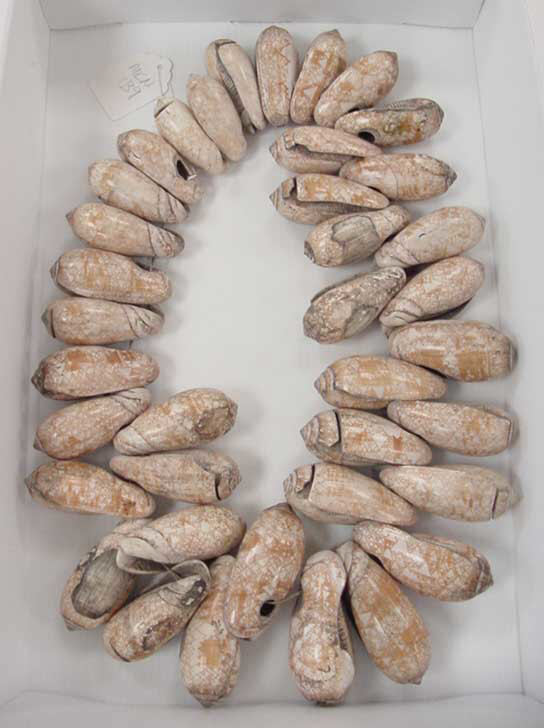
Heritage Analysis: The Oceanic Shell Necklace
This analysis presents a strategic heritage evaluation of an Oceanic necklace, crafted from shell, cotton, and metal, intended for the 2026 high-end luxury market. As Lead Heritage Curator for Katherine Fashion Lab, I examine this artifact through the lenses of symbolic power, historical adornment, spiritual meaning, and strategic luxury positioning. The necklace, originating from the vast and diverse Oceanic region—encompassing Melanesia, Micronesia, and Polynesia—is not merely an ornament but a repository of cultural memory, social hierarchy, and spiritual connection. Its materials and construction speak to a profound relationship between humanity and the natural world, a narrative that resonates deeply with contemporary luxury consumers seeking authenticity and meaning.
Symbolic Power and Historical Adornment
Shell as Currency and Status
In Oceanic societies, shell necklaces were far more than decorative items; they functioned as primary forms of currency, markers of social rank, and instruments of political alliance. The kapkap of the Solomon Islands, for example, combines a shell disc with a turtle shell overlay, worn by high-ranking men as a symbol of authority and wealth. Similarly, the tivaevae traditions of the Cook Islands used shell necklaces as ceremonial gifts during weddings and births. The specific type of shell—whether spondylus (spiny oyster), nassa mud snails, or pearl shell—indicated regional origin and the wearer’s status within inter-island trade networks. The incorporation of metal in this necklace, likely introduced through colonial contact or later trade, represents a hybridization of indigenous and external influences, suggesting a narrative of adaptation and resilience.
Cotton as a Conduit of Connection
The cotton cord, while seemingly mundane, carries its own symbolic weight. In many Oceanic cultures, fibers were imbued with mana—a supernatural force that could be transmitted through touch and proximity. The weaving of cotton into a necklace string was often a ritualized act, performed by women who chanted prayers or blessings over the material. This process transformed the cord from a simple textile into a spiritual conduit, linking the wearer to ancestors, deities, and the natural world. For a luxury brand, this concept of intentional craftsmanship offers a powerful counterpoint to industrial production, aligning with the growing demand for artisanal integrity and slow fashion.
Spiritual Meaning and Ritual Function
Ancestral Guardianship and Protection
Oceanic necklaces frequently served as talismans, believed to house the spirits of ancestors or protect the wearer from malevolent forces. The hei tiki of New Zealand’s Māori people, though typically carved from pounamu (greenstone), shares a conceptual lineage with shell necklaces: both are worn close to the heart, believed to absorb the wearer’s mauri (life force). The shell, as a product of the sea—a realm of mystery and abundance—was seen as a gift from the gods. In Micronesian navigation rituals, shell necklaces were offered to ensure safe passage across vast ocean distances. The metal elements in this necklace, possibly representing a later addition, may have been reinterpreted as protective symbols in their own right, blending indigenous spirituality with introduced materials.
Rites of Passage and Social Identity
The necklace’s role in rites of passage—such as birth, initiation, marriage, and death—cannot be overstated. Among the Baining people of Papua New Guinea, shell necklaces were essential components of male initiation ceremonies, marking the transition from boyhood to warrior status. For women, necklaces were often part of bridal wealth, signifying the union of two families and the transfer of reproductive and economic rights. The act of wearing such a necklace was a public declaration of one’s place within the social and cosmological order. This layered significance offers a rich narrative for luxury branding, where the necklace can be positioned as an heirloom piece that carries not only aesthetic value but also a storied past of human experience.
2026 High-End Luxury Strategy: The Oceanic Collection
Positioning the Necklace as a “Cultural Artifact”
For the 2026 Katherine Fashion Lab luxury collection, this Oceanic necklace should be strategically positioned as a limited-edition cultural artifact, not merely a fashion accessory. The high-end consumer in 2026 is increasingly driven by a desire for narrative authenticity and ethical provenance. By framing the necklace within its Oceanic heritage—complete with detailed provenance documentation, collaboration with indigenous artisans, and a portion of proceeds directed toward Pacific Island cultural preservation—the brand can command a premium price point while building deep emotional resonance. The shell, cotton, and metal become sensory touchpoints: the cool weight of the shell, the tactile warmth of the cotton, the subtle gleam of metal—each element evokes a connection to the sea, the land, and the hands that crafted it.
Symbolic Power in Modern Luxury
The symbolic power of the Oceanic necklace aligns perfectly with three key luxury trends for 2026:
- Spiritual Luxury: Consumers are seeking objects that offer protection, grounding, or a sense of purpose. The necklace’s historical role as a talisman can be translated into modern “wellness” branding—positioning it as a piece that fosters inner calm and connection to ancestral wisdom.
- Heritage Craftsmanship: The hand-strung shell beads, the hand-spun cotton, and the artisanal metalwork (if present) become selling points. Each necklace should be accompanied by a “maker’s story” card, detailing the specific Oceanic tradition from which it draws, the artisan’s name, and the symbolic meaning of the materials.
- Social Currency: In an era of conspicuous conservation, owning a piece with a documented cultural lineage signals both wealth and cultural intelligence. The necklace becomes a conversation starter, a silent statement of the wearer’s values—sustainability, cultural respect, and a global perspective.
Design and Marketing Execution
To execute this strategy, Katherine Fashion Lab should:
- Collaborate with Oceanic Cultural Advisors: Ensure that the necklace’s design and presentation honor its origins without appropriation. This includes proper naming conventions (e.g., “Spondylus Shell Necklace from the Solomon Islands” rather than generic “tribal” labels) and respectful use of spiritual motifs.
- Create a “Ritual Unboxing” Experience: The packaging should include a small booklet explaining the necklace’s historical and spiritual context, perhaps with a QR code linking to a documentary about Oceanic shell crafting. This elevates the purchase from a transaction to an educational journey.
- Price Strategically: Position the necklace in the $3,500–$8,000 range, comparable to other heritage-driven luxury pieces (e.g., Cartier’s “Indien” collection or David Yurman’s artisan pieces). The limited production run—no more than 50 pieces—ensures exclusivity and reinforces the artifact narrative.
- Leverage Symbolic Power in Campaigns: Use imagery that evokes the Oceanic landscape—coral reefs, volcanic islands, star-filled skies—and language that speaks to protection, ancestry, and the journey of the wearer. Tagline suggestion: “Wear the wisdom of the Pacific.”
Conclusion: A Strategic Asset for the Future
The Oceanic shell, cotton, and metal necklace is not a relic of the past but a strategic asset for the future of high-end luxury. Its symbolic power—as currency, status marker, talisman, and ritual object—offers a rich tapestry of meaning that modern consumers crave. By honoring its historical and spiritual context while translating it into a contemporary luxury experience, Katherine Fashion Lab can create a collection that is both commercially viable and culturally responsible. In 2026, the most valuable luxury items will be those that tell stories, and this necklace tells one of the oldest and most profound stories of all: humanity’s enduring connection to the sea, the sky, and each other.