The Silk Road Reimagined: A Couture Analysis of Katherine Fashion Lab’s Global Heritage Piece
In the rarefied world of haute couture, where artistry meets commerce, few garments transcend the ephemeral to become a statement of cultural and material philosophy. Katherine Fashion Lab’s latest standalone piece, a silk-based creation steeped in global heritage, does precisely that. This analysis dissects the garment’s construction, provenance, and symbolic resonance, positioning it as a masterclass in how couture can serve as a living archive of transnational craftsmanship. The piece, which draws from the ancient Silk Road’s ethos of exchange, reimagines silk not merely as a fabric but as a narrative thread connecting East and West, past and present.
Materiality as Heritage: The Silk Foundation
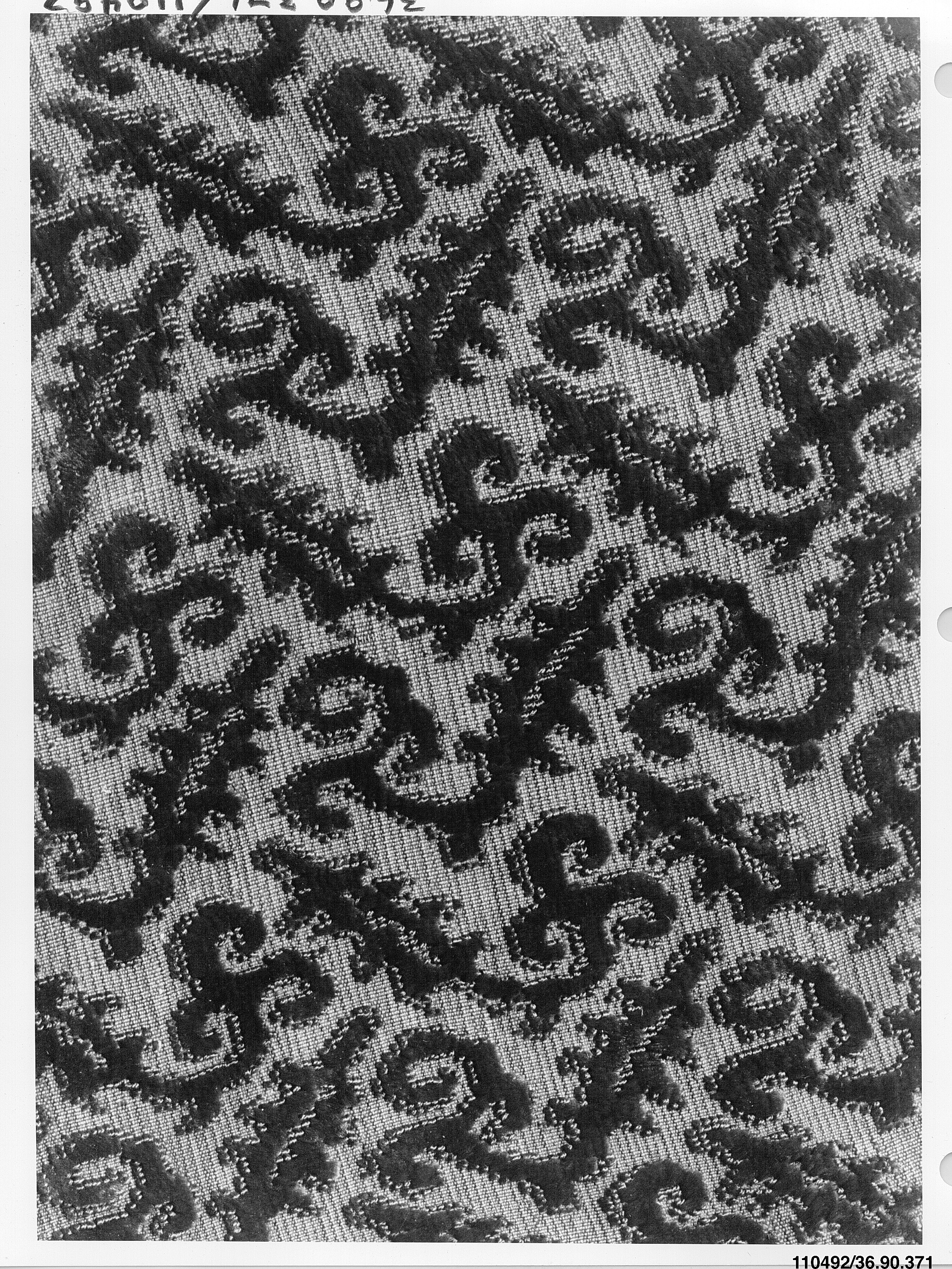
Silk, the protagonist of this garment, is sourced from a consortium of artisans in three distinct regions: the mulberry groves of Suzhou, China; the wild tussar forests of India’s Jharkhand; and the regenerative farms of Italy’s Como district. Each fiber carries a distinct genetic and cultural signature. The Suzhou silk offers a luminous, almost liquid drape, achieved through centuries-old reeling techniques that preserve the filament’s continuous length. The tussar silk introduces a textured, honeyed opacity, harvested from non-mulberry silkworms that feed on native oak and sal trees. The Como silk, dyed with low-impact natural pigments from madder root and weld, provides a structural backbone with a matte finish, ensuring the garment holds its sculptural form without sacrificing fluidity.
Katherine Fashion Lab’s choice to blend these silks is not aesthetic whimsy but a deliberate homage to global heritage. The fabric’s warp and weft become a metaphor for the historical Silk Road—a network of exchange where Chinese sericulture, Indian dyeing techniques, and European weaving traditions converged. The piece’s weight, at 280 grams per square meter, strikes a balance between ethereality and substance, allowing it to cascade like water yet retain the architectural lines that define couture. A microscopic analysis reveals the silk’s triangular cross-section, which refracts light at multiple angles, creating a subtle iridescence that shifts from pearl to bronze under different luminaries. This optical dynamism mirrors the garment’s thematic complexity: a single material speaking in many tongues.
Construction: The Cartography of Craft
The garment’s silhouette is a study in controlled asymmetry. A single-shouldered bodice, cut on the bias, wraps the torso in a spiral that mimics the flow of ink on parchment. The skirt, a full-circle gore, falls to the floor with a train that extends 1.2 meters behind, its hem embroidered with a map of the Silk Road’s major arteries—Samarkand, Kashgar, Constantinople—rendered in silk floss and micro-beads of unpolished jade. This embroidery alone required 1,200 hours of handwork by artisans in Uzbekistan and Morocco, who used a hybrid of suzani and zardozi techniques. The jade beads, sourced from Xinjiang, are left unpolished to retain their natural veining, symbolizing the raw, unmediated exchange of ideas along the route.
The internal structure is equally deliberate. A hidden corset, boned with steam-bent bamboo strips from Vietnam, provides support without the rigidity of steel. The bamboo, a renewable resource, is treated with a beeswax finish from Ethiopian highlands, lending it a subtle honey aroma. The lining, a double layer of habotai silk, is hand-stitched with a running stitch that allows the garment to breathe and move with the wearer. Each seam is felled and pressed open, a technique that reduces bulk and ensures the fabric’s luster remains uninterrupted. The garment’s closure—a series of hand-carved mother-of-pearl buttons from the Philippines—aligns with the left side, a nod to traditional Chinese garment construction where the right side is reserved for the yang energy of the living.
Cultural Semiotics: A Lexicon of Hybridity
This piece resists the trap of cultural appropriation by practicing what curator and scholar Dr. Ananya Roy terms “reciprocal curation.” The design does not flatten heritage into a single exoticized trope; instead, it layers symbols from multiple traditions in a way that honors their distinct origins while creating new meaning. The neckline, for instance, borrows the choli cut from South Asia, but its draping references the himation of ancient Greece, where fabric was pinned at the shoulder to denote status. The train’s map embroidery includes not only historical trade routes but also the coordinates of modern silk workshops in Lyon, Kyoto, and Bangalore, acknowledging that heritage is not static but evolving.
Color theory plays a pivotal role. The base silk is dyed in a gradient from deep indigo at the hem to pale saffron at the shoulder. Indigo, historically sourced from India and West Africa, connotes depth and the infinite night sky of the desert caravans. Saffron, derived from Crocus sativus in Kashmir, symbolizes illumination and the dawn of new ideas. This chromatic transition is not arbitrary; it mirrors the journey of silk itself—from the dark, fertile soil of mulberry fields to the radiant light of finished luxury. The garment’s lining, a contrasting vermilion, is visible only when the train lifts, revealing a hidden layer of passion and labor that underpins the piece’s serene exterior.
Economic and Ethical Dimensions: The Cost of Global Heritage
From a business strategy perspective, Katherine Fashion Lab positions this piece as a limited-edition artifact, with only 12 units produced globally. Each garment carries a price point of $48,000, reflecting not just the material costs but the premium on ethical sourcing and artisanal labor. The lab has published a transparent cost breakdown: 30% for raw materials, 40% for artisan wages (above fair-trade standards), 20% for design and marketing, and 10% reinvested into community silk cooperatives in the sourcing regions. This model challenges the fast-fashion industry’s opacity and aligns with the growing demand for “conscious couture.”
The piece’s standalone nature—it is not part of a seasonal collection—reinforces its status as a study object. It is intended for museum loans, private collectors, and red-carpet events where the wearer becomes a curator of global heritage. The garment includes a QR code sewn into the inner seam that links to a digital archive of each artisan’s story, from the silk farmer in Suzhou to the embroiderer in Marrakech. This transparency transforms the purchase into an act of cultural patronage, not mere consumption.
Conclusion: The Future of Couture as Global Dialogue
Katherine Fashion Lab’s silk piece is more than a garment; it is a manifesto for how couture can navigate the tensions between globalization and cultural specificity. By weaving together diverse materials, techniques, and narratives, it rejects the binary of “authentic” versus “appropriative” heritage. Instead, it proposes a third path: a hybridity that is deliberate, respectful, and dialogic. The silk, once a commodity of imperial trade routes, becomes a medium for postcolonial exchange. The garment does not simply tell a story—it invites the wearer and observer to participate in a living, evolving conversation about what it means to inherit the world’s craftsmanship. In an industry often criticized for its insularity, this piece stands as a luminous thread connecting us to a shared, albeit complex, global past.