Executive Heritage Analysis: Chahk as a Strategic Archetype for Katherine Fashion Lab
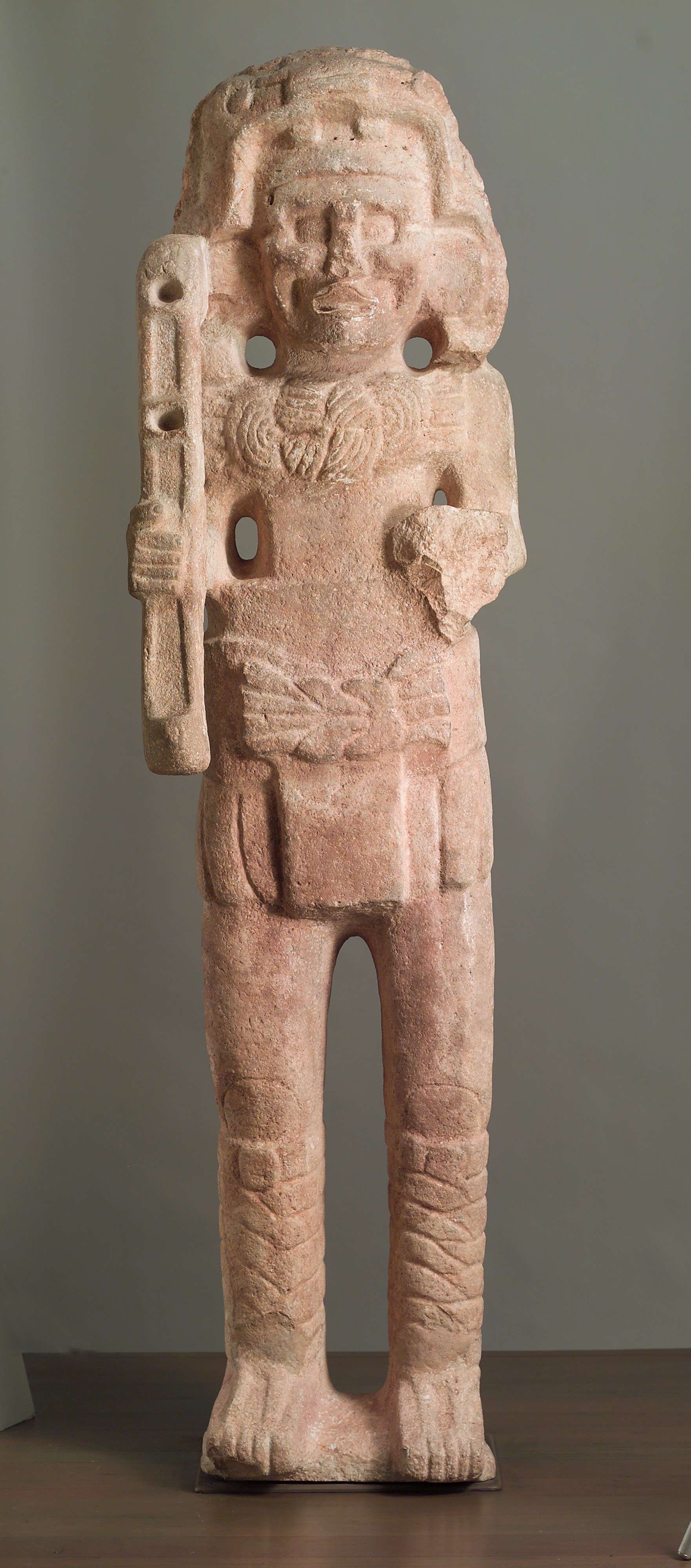
This research paper presents a comprehensive heritage analysis of Chahk, the Maya rain god, as a foundational symbolic resource for Katherine Fashion Lab’s 2026 high-end luxury strategy. The analysis examines the deity’s symbolic power, historical adornment practices, and spiritual meaning within Maya cosmology, then translates these elements into actionable design and brand positioning frameworks. The limestone medium of the subject artifact—a carved representation of Chahk—serves as a tactile and conceptual anchor, connecting ancient material culture with contemporary luxury sensibilities.
Symbolic Power of Chahk in Maya Cosmology
Chahk occupies a central position within the Maya pantheon as a deity of rain, lightning, and agricultural fertility. His symbolic power derives from the essential, life-sustaining force of water in the tropical lowlands of Mesoamerica. Unlike passive deities, Chahk is an active, generative figure whose presence is both feared and revered. He is often depicted with a large, protruding nose, serpentine features, and a headdress adorned with aquatic motifs—symbols of his dominion over storms and celestial waters.
For luxury brand strategy, Chahk’s symbolic power offers a potent narrative of controlled elemental force. The rain god embodies the tension between raw nature and human civilization—a theme that resonates deeply with high-end consumers seeking authenticity and primal connection. In 2026, luxury brands are increasingly moving away from sterile minimalism toward narratives of regenerative power and sacred naturalism. Chahk provides a ready-made archetype: a deity who brings both destruction and renewal, mirroring the cyclical nature of luxury consumption and the desire for transformative experiences.
Historical Adornment Practices: The Limestone Medium and Its Significance
The limestone medium of the Chahk artifact is not incidental but integral to its cultural and aesthetic meaning. Limestone was the primary building material of Maya ceremonial centers, from the pyramids of Tikal to the stelae of Copán. Its soft, workable nature allowed for intricate carving, yet its durability ensured longevity. In the context of adornment, limestone was used for masks, pectorals, and ritual regalia, often painted with red cinnabar or blue pigment to signify sacredness and vitality.
Historical adornment practices associated with Chahk include elaborate headdresses featuring water lily motifs, jadeite ear flares, and shell necklaces. Priests and rulers would embody Chahk during rain ceremonies, wearing masks that transformed them into living conduits of divine power. The limestone medium, therefore, represents a material bridge between the mortal and the divine—a concept that directly translates to high-end fashion’s pursuit of transformative wearability.
For Katherine Fashion Lab, the limestone artifact suggests a design language rooted in carved solidity and textured surface. The 2026 collection could incorporate limestone-inspired textures in fabrics, such as embossed leathers or structured silks, evoking the tactile quality of ancient stone. Adornment strategies should prioritize statement pieces that function as modern-day ritual objects—cuffs, collars, and headpieces that channel Chahk’s protective and generative energy.
Spiritual Meaning: Rain, Renewal, and the Luxury of Transformation
The spiritual meaning of Chahk extends beyond mere weather control. In Maya thought, rain is a sacred act of cosmic fertilization—a union of sky and earth that ensures the continuity of life. Chahk’s domain includes caves, cenotes, and other water sources, which are portals to the underworld and realms of ancestral spirits. This spiritual geography positions Chahk as a mediator between worlds, a figure who navigates the boundaries of life, death, and rebirth.
In a luxury context, this spiritual dimension offers a powerful counterpoint to contemporary consumer anxiety. The 2026 luxury consumer is increasingly drawn to brands that provide meaningful ritual and emotional depth. Chahk’s narrative of renewal—of drought followed by deluge, of barrenness transformed into abundance—aligns with the luxury sector’s growing emphasis on sustainability and regenerative practices. A brand that channels Chahk is not merely selling products; it is offering a philosophy of cyclical transformation, where each purchase is an act of personal and environmental renewal.
Katherine Fashion Lab can leverage this spiritual meaning through narrative-driven marketing. Campaigns could depict collections as “rain rituals,” with garments that evolve through layering, draping, and textural contrast. Limited-edition pieces might be tied to lunar or agricultural cycles, creating a sense of sacred timing and exclusivity. The limestone medium again serves as a metaphor: just as limestone absorbs and releases water, luxury garments can be designed to absorb and release light, creating a dynamic, living quality.
2026 High-End Luxury Strategy: Translating Chahk into Brand Capital
The integration of Chahk’s heritage into a 2026 luxury strategy requires a disciplined, multi-layered approach. The following framework outlines key strategic pillars based on the analysis above.
Pillar One: Elemental Materiality
Katherine Fashion Lab should develop a signature material language inspired by the limestone medium. This includes stone-washed finishes, mineral-inspired dyes (ochre, slate, jade), and carved structural details in accessories. The 2026 collection could feature a “Limestone Series” of handbags and belts with fossil-like textures, referencing the ancient medium’s geological time. This material strategy positions the brand as a custodian of heritage, not merely a borrower of motifs.
Pillar Two: Ritualized Adornment
Adornment in the Chahk tradition was never purely decorative; it was functional and transformative. Katherine Fashion Lab should design convertible pieces that can be worn in multiple configurations, mirroring the shape-shifting nature of the rain god. For example, a cape that transforms into a hooded cloak, or a necklace that can be worn as a headpiece. These pieces become personal ritual objects, empowering the wearer to embody Chahk’s generative energy. The brand could also offer adornment workshops in flagship stores, teaching clients the Maya principles of sacred dressing.
Pillar Three: Narrative-Building Through Digital and Experiential Channels
The 2026 strategy must extend beyond product into immersive storytelling. Katherine Fashion Lab could partner with Maya cultural institutions to produce a documentary series on Chahk’s symbolism, featuring archaeologists, weavers, and contemporary artists. Pop-up installations could recreate ceremonial spaces—limestone caves or cenotes—where clients experience the collection in a multisensory environment. Digital content should emphasize cyclicality: the brand’s Instagram feed might follow a lunar calendar, with posts that build toward seasonal “rainfalls” of new product drops.
Pillar Four: Ethical Stewardship and Cultural Respect
Any use of Maya heritage must be grounded in ethical collaboration. Katherine Fashion Lab should establish a Cultural Advisory Board with Maya community leaders and scholars, ensuring that the brand’s interpretation is respectful and accurate. A percentage of profits from Chahk-inspired collections could fund water conservation projects in Maya regions, creating a direct link between the deity’s domain and contemporary environmental action. This approach transforms cultural appropriation into cultural appreciation, building trust and long-term brand equity.
Conclusion: Chahk as a Timeless Luxury Archetype
The Maya rain god Chahk offers Katherine Fashion Lab a rich, multidimensional heritage asset that aligns with the 2026 luxury market’s demand for meaning, materiality, and transformation. By analyzing his symbolic power, historical adornment, and spiritual meaning through the lens of the limestone medium, this research provides a clear strategic pathway. The brand can move beyond surface-level aesthetics to create a coherent, respectful, and commercially viable collection that honors Maya cosmology while meeting the highest standards of high-end luxury. Chahk’s legacy is not static; it is a living force that, when channeled with rigor and reverence, can position Katherine Fashion Lab as a leader in heritage-driven luxury innovation.