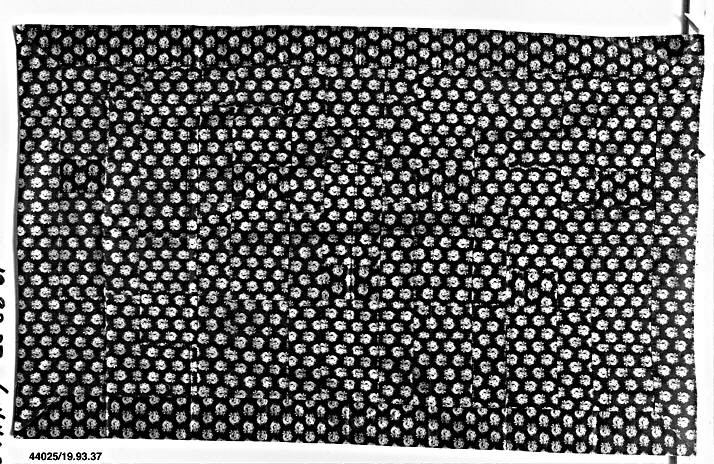
The Shichijō Priest’s Robe: An Architectural Study in Sacred Silk
Within the hallowed archives of Katherine Fashion Lab, we approach garments not merely as cloth but as encoded texts of cultural memory, ritual purpose, and material mastery. The subject of this standalone analysis—a Shichijō priest’s robe from Japan, rendered in silk—presents a singular opportunity to deconstruct the interplay between liturgical function and aesthetic transcendence. This is not a garment designed for the vagaries of secular fashion; it is a vestment of profound spiritual gravity, a wearable architecture of devotion. To analyze the Shichijō robe is to read a manuscript of Japanese Buddhist hierarchy, textile engineering, and the silent language of formality.
Historical and Liturgical Context: The Shichijō Hierarchy
The term “Shichijō” (七条) translates literally to “seven stripes” or “seven articles,” a nomenclature that immediately signals a codified system of clerical rank. In Japanese Buddhist tradition, particularly within the Tendai and Shingon sects, the color, number of folds, and specific construction of a priest’s robe—the kesa (袈裟)—are not arbitrary. They are precise markers of ordination level, monastic lineage, and ceremonial responsibility. The Shichijō robe occupies a middle-to-upper tier, often reserved for priests who have completed advanced doctrinal training and are authorized to perform major rituals. Unlike the simpler five-stripe (gojō) robes of novice monks or the elaborate nine-stripe (kujō) robes of abbots, the seven-stripe configuration represents a balanced synthesis of spiritual discipline and institutional authority.
This particular robe, executed entirely in silk, elevates the conventional cotton or hemp kesa into a statement of ritual opulence. Silk, in the Japanese context, carries connotations of purity, impermanence, and the preciousness of life—a material offering to the Buddha. The choice of silk for a Shichijō robe signals that the wearer is engaged in a high-stakes liturgical act, perhaps a hōe (法会) or a memorial service of great significance. The robe is not merely worn; it is donned as a liturgical action, each fold and drape a deliberate gesture of humility and power.
Materiality and Craft: The Silk as Sacred Substrate
The silk used in this analysis is a habutae-weight weave, characterized by its fine, lustrous surface and supple hand. Yet, the fabric’s apparent delicacy belies a rigorous structural logic. The robe is constructed from rectangular panels of silk, sewn together with meticulous, almost invisible stitching. The seams themselves are a form of kogin-inspired reinforcement, though rendered in a monochrome thread to preserve the visual purity of the garment. The silk’s natural sheen interacts with ambient light to create a dynamic surface—at once austere and luminous, a metaphor for the enlightened mind that is both empty and radiant.
A critical observation is the absence of overt ornamentation. There are no embroidered dragons, no gold-thread phoenixes, no brocade clouds. This restraint is deliberate. In the Shichijō tradition, the power of the robe resides in its negative space—the unadorned silk becomes a canvas for the priest’s spiritual presence. The only decorative element is the subtle variation in the silk’s weave, possibly a rinzu (patterned satin) technique where a faint geometric or floral motif emerges only under certain angles of light. This is not decoration for the sake of visual delight; it is a mnemonic device, a coded reminder of the cosmic order that the priest embodies during the ritual.
Structural Analysis: The Geometry of Devotion
From a couture perspective, the Shichijō robe is a masterclass in minimalist construction. The garment is essentially a large rectangle of silk, folded and draped to form a vestment that covers the left shoulder and hangs diagonally across the torso, leaving the right arm free. This asymmetry is not a design flaw but a theological statement. The covered left side symbolizes the hidden, esoteric nature of the Buddha’s teachings; the exposed right side represents the active, compassionate engagement with the world.
The seven stripes are achieved not by separate fabric pieces but by a series of vertical seams that create distinct panels. Each panel is approximately 7–8 cm wide, and the seams are reinforced with a thin, stiffened silk cord—a technique known as “kumihimo” braiding applied in a flat, almost invisible form. This cord serves a dual purpose: it prevents the silk from distorting under the weight of repeated folding, and it creates a subtle ridge that catches the light, defining the stripe pattern without the need for color contrast.
The robe’s hem is finished with a double-folded edge, a detail that speaks to the garment’s durability and the priest’s need for unimpeded movement during ritual prostrations and circumambulations. The corner weights, often small metal rings or silk tassels, are absent in this example—a choice that suggests a robe intended for seated meditation rather than processional use. This omission further emphasizes the garment’s contemplative function over its performative aspect.
Color and Light: The Monochromatic Sublime
The robe under analysis is rendered in a deep, undyed ecru—a shade that approaches the color of raw silk before any dyeing process. This is a significant choice. In the spectrum of Japanese Buddhist vestments, color carries immense symbolic weight: purple for abbots, red for high-ranking monks, yellow for novices. The undyed state of this Shichijō robe suggests a priest who has transcended the need for color-coded hierarchy, or one who serves in a lineage that values “shira-ito” (white thread) purity. The ecru hue is not a compromise; it is a deliberate asceticism, a rejection of chromatic distraction in favor of the primacy of form and texture.
The silk’s natural luster creates a chiaroscuro effect when the robe is draped. In the folds, the fabric appears almost black; on the raised surfaces, it glows with a soft, ivory light. This play of light and shadow is the robe’s only “color” narrative, and it is a powerful one. It mirrors the Buddhist concept of sunyata (emptiness) and pratitya-samutpada (dependent origination)—the idea that all phenomena arise in relation to others. The robe’s appearance changes with the viewer’s angle, the light source, and the priest’s movement, a living meditation on impermanence.
Couture Implications: Lessons in Restraint and Ritual
For Katherine Fashion Lab, the Shichijō priest’s robe offers a profound counterpoint to the excesses of contemporary haute couture. Where modern fashion often relies on novelty, shock, and conspicuous consumption, this garment demonstrates that true luxury lies in mastery of material and meaning. The robe’s construction is a lesson in economy of means: every seam, every fold, every absence of decoration has been considered and justified by centuries of liturgical practice.
The robe also challenges the Western notion of “fit.” It is not tailored to the body; it is tailored to the ritual. The garment’s dimensions are determined by the priest’s height and the specific requirements of the ceremony, not by a standard size chart. This bespoke, ritual-centric approach is a model for sustainable and meaningful design—a garment that is made to last a lifetime, to be worn in a sacred context, and to be passed down as an heirloom of spiritual authority.
In conclusion, the Shichijō silk robe is not merely a piece of clothing. It is a theological treatise in textile form, a geometric meditation, and a masterwork of restrained craftsmanship. Its analysis reveals that the most powerful garments are those that speak not through excess, but through the profound eloquence of silence. For the contemporary designer, the lesson is clear: less is not merely more—less is sacred.