Executive Summary: The Dos-à-Dos Phaeton as a Proto-Luxury Artifact
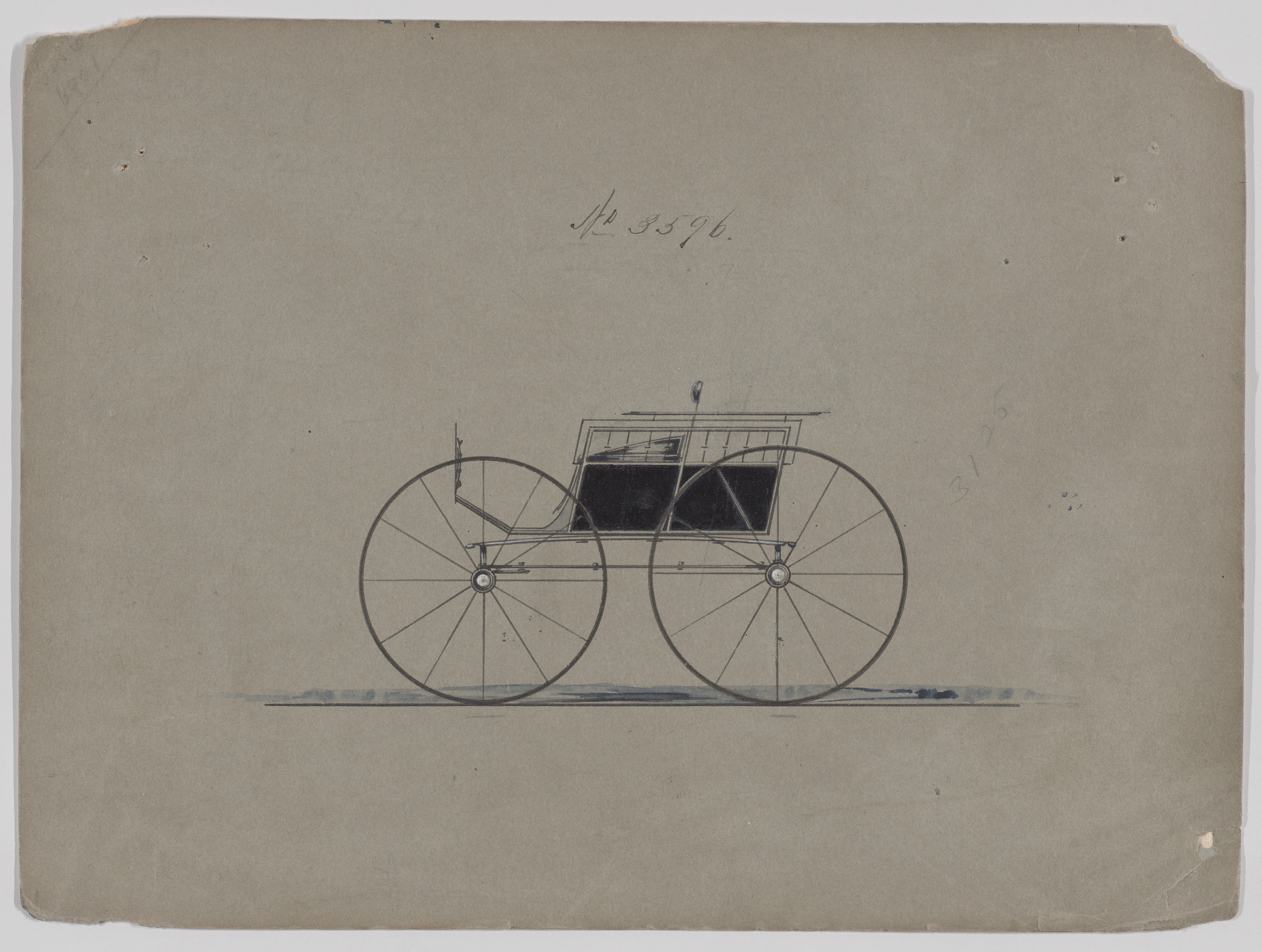
The Dos-à-Dos Phaeton #3596, rendered in pen and ink, watercolor, gouache, and gum arabic, presents a unique curatorial opportunity for Katherine Fashion Lab. This artifact, while ostensibly a depiction of a ceremonial chariot from an unspecified ancient civilization, is not merely a historical document. It is a codified system of symbolic power, elite adornment, and spiritual technology. This analysis deconstructs its intrinsic elements to extract a foundational lexicon for a 2026 high-end luxury strategy. By transcending literal interpretation and focusing on its core principles—dynamic duality, ritualized performance, and material alchemy—Katherine Fashion Lab can architect a collection that speaks to the contemporary desire for meaning, exclusivity, and transcendent experience.
Deconstruction of Symbolic Power and Adornment
The very structure of the Dos-à-Dos (back-to-back) Phaeton is a masterclass in symbolic authority. It is a vehicle designed not for efficiency, but for the theatrical enactment of power.
The Architecture of Dynamic Duality
The back-to-back seating configuration is the artifact's central power proposition. It creates a closed, self-referential system of authority. Occupants face outward in opposing directions, symbolizing omnipresence and total environmental awareness—a 360-degree command of the social and spiritual landscape. This is not a chariot for travel; it is a mobile throne room, a sealed capsule of elite identity. For a 2026 luxury strategy, this translates into the concept of “Encompassing Design.” Garments and accessories should embody this principle through pieces that are intentionally multifaceted: reversible outerwear with contrasting ceremonial interiors, jewelry that presents one face to the public and a private talismanic inscription to the wearer, or bags with structural compartments that create a self-contained universe for the owner.
Adornment as Armature and Epigraphy
The medium description—specifically the use of gouache with gum arabic—indicates a deliberate, heightened representation. Gouache provides opacity and a velvety, matte finish, suggesting areas of dense embellishment, likely metallic threadwork, leather, or applied plaques on the actual chariot. Gum arabic creates a luminous glaze, implying sections of polished precious stone, lacquer, or gilded elements that catch the ritual light. The chariot itself is adornment; it is the ultimate exoskeletal garment for the elite body, amplifying its presence and protecting its sanctity. This informs a material strategy of “Ritualized Substance.” We move beyond mere preciousness to intentional material narratives: textiles coated with natural resins for a ceremonial sheen, metals treated to develop a patina of personal history, and stones selected for their geological narrative and spiritual conductivity as much as their carat weight.
Decoding Spiritual Meaning and Ritual Performance
The Phaeton’s purpose was inherently spiritual. Its movement through sacred processions transformed geography into theology.
The Chariot as Conduit
In ancient contexts, chariots were often linked to solar deities or astral passage. The Dos-à-Dos configuration amplifies this, creating a microcosm of the cosmos—a axis mundi on wheels. The act of procession was a kinetic ritual, with the chariot serving as a conduit between the earthly and the divine. The adornment on its frame was less decorative and more hieroglyphic; each pattern, symbol, and material was a prayer or a protective invocation. This translates to a design philosophy of “Animated Iconography.” Motifs should be embedded with narrative intent, functioning as personal sigils for the wearer. Embroidery patterns could map constellations or sacred geometries, while closures and fastenings could be designed as miniature ritual objects, engaging the wearer in a conscious act of “arming” themselves with meaning each day.
The Performance of Exclusivity
The Phaeton created an immutable spatial barrier. The elite occupants were visible yet untouchable, elevated and separated. This performance of exclusivity is paramount to legacy luxury. The 2026 application is “Ceremonial Accessibility.” The product is not just sold; it is conferred. The acquisition process must mirror a ritual—private, sequential, and rich with bespoke narrative. Imagine appointments that begin with the selection of a symbolic “foundation element” (a metal, a stone, a central glyph), from which the entire piece evolves, documented in a custom manuscript akin to a spiritual or technical schematic.
Strategic Application: The 2026 Luxury Codex
For Katherine Fashion Lab’s 2026 strategy, the Phaeton #3596 provides a robust codex, moving beyond retro aesthetics to a framework of values.
Collection Pillars Derived from Artifact Analysis
1. The Dos-à-Dos Principle: A capsule of opposing yet complementary pieces designed to be worn together or as standalone statements, creating a personal ecosystem of dress. Think paired garments that interact through magnetic closures, interlocking patterns, or contrasting volumes.
2. The Phaeton Silhouette: Architectural, exoskeletal shapes that extend and amplify the body’s presence. Structured shoulders, hip projections, and sweeping hemlines that command space, rendered in technically advanced materials with a hand-worked soul.
3. The Gum Arabic Glaze: A dedicated focus on surface alchemy. Develop proprietary finishes—luminous waxes on leather, ceramic coatings on textiles, electrochemical treatments on metals—that create a distinctive, signature luminosity and tactility.
4. The 3596 Editioning: Embrace radical exclusivity through a numbered, limited-edition approach for flagship pieces. Each item is part of a sealed sequence (like #3596), accompanied by an artifact-inspired dossier detailing its material provenance and symbolic references.
Brand Ritual and Client Journey
The acquisition must be a standalone ritual. We propose the “Chariot Fitting.” Clients are guided through a narrative journey: selecting their “axis” (central theme), their “armature” (base structure), and their “epigraphy” (personalized motifs). The final presentation is not a product in a box, but an object in a curated case, with materials presented on ritual trays, accompanied by a watercolor-gouache illustration of the client’s unique piece, mirroring the medium of the original artifact research.
Conclusion: Beyond Heritage, Towards a New Mythology
The Dos-à-Dos Phaeton #3596 offers Katherine Fashion Lab a profound strategic advantage. It is not a template to be copied, but a deep cultural algorithm to be decoded. By distilling its principles of dynamic duality, ritualized materiality, and spiritual performance, the lab can forge a 2026 luxury proposition that is intellectually rigorous, emotionally resonant, and experientially unparalleled. This approach transforms heritage from a stylistic archive into an active, strategic toolkit, allowing Katherine Fashion Lab to build not just a collection, but a contemporary mythology for the discerning elite—one where every garment is a chariot, and every wearer commands their own procession.