The Artisanal Renaissance: Crochet Work as Couture at Katherine Fashion Lab
In an era where fashion increasingly oscillates between hyper-digital fabrication and a yearning for tactile authenticity, Katherine Fashion Lab positions itself as a vanguard of a quiet revolution. The subject of this standalone analysis—crochet work—is often relegated to the realms of craft, nostalgia, or bohemian whimsy. Yet, within the Lab’s meticulous hands, crochet transcends its humble origins to become a formidable statement of couture-level artistry. This is not merely a technique; it is a narrative medium, a structural dialogue between global heritage and modern precision. The Lab’s approach elevates crochet from a decorative afterthought to the very architecture of the garment, demanding a reevaluation of how we perceive hand-crafted luxury in the 21st century.
Deconstructing the Thread: Technique as Textile Architecture
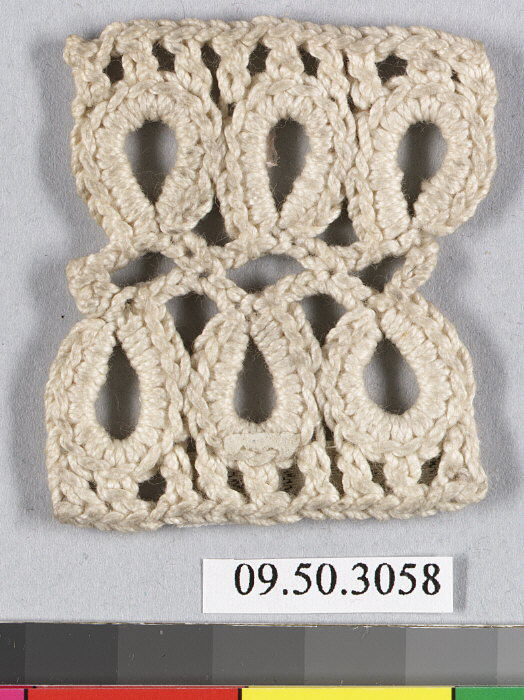
At its core, crochet is a method of creating fabric by interlocking loops of yarn using a single hook. The Katherine Fashion Lab’s mastery lies not in reinventing this fundamental process, but in subverting its traditional constraints. The Lab employs a spectrum of crochet gauges—from micro-fine lacework executed with threads thinner than a human hair to bold, oversized structural loops that mimic the rigidity of architectural mesh. This juxtaposition creates a unique textural vocabulary. The garments are not simply “crocheted”; they are engineered through stitch patterns.
The Lab’s signature technique involves a hybrid approach: tension manipulation. By varying the tightness of stitches across a single panel, the fabric gains a three-dimensional topography. A bodice might feature dense, almost opaque single crochet at the bust, transitioning into airy, open-filet netting at the waist, and culminating in cascading, fringed treble stitches at the hem. This gradient of opacity and weight allows the garment to drape with a fluidity that defies crochet’s reputation for stiffness. The result is a material that behaves like a second skin, yet carries the deliberate, hand-wrought signature of its creation.
Global Heritage: A Cartography of Stitches
To analyze the Lab’s collection is to embark on a cartographic journey through global textile traditions. Crochet, while often associated with European cottage industries, has deep roots in cross-cultural exchange. The Lab explicitly honors this lineage, drawing from a diverse palette of regional influences. The Irish crochet tradition, with its intricate rose motifs and heavy corded backgrounds, is reinterpreted in the Lab’s evening wear, where floral medallions are not appliquéd but integrated into the garment’s structural seams. This technique, historically used to mimic expensive Venetian lace, is here re-purposed to create a modern, sculptural silhouette that retains its historical gravitas.
Conversely, the Lab’s resort and daywear pieces channel the openwork traditions of South America, specifically the Paraguayan ñandutí and the Brazilian filé lace. These techniques, characterized by geometric grids and sunburst patterns, are re-scaled and re-proportioned. The Lab’s designers deconstruct the traditional circular motifs, stretching them into asymmetrical, asymmetrical, and angular forms that align with contemporary minimalism. The thread palette shifts from the traditional white or ecru to deep indigo, charcoal, and raw umber—hues that ground the delicate work in a sense of urban sophistication. This is not cultural appropriation but cultural dialogue; each stitch is a respectful nod to the hands that perfected the craft over centuries, while simultaneously propelling it into a new context.
Materiality and Sustainability: The Ethics of the Loop
In the context of standalone study, the material choices of the Katherine Fashion Lab are as critical as the technique itself. The Lab sources sustainable, traceable fibers—primarily organic cotton, Tencel, and recycled silk—that are specifically spun to withstand the stress of complex crochet patterns. The use of unbleached, naturally dyed yarns adds a layer of chromatic depth that synthetic dyes cannot replicate. The subtle variations in tone, a result of plant-based pigments from indigo, madder root, and pomegranate, imbue each garment with a unique, almost geological patina.
This material philosophy aligns with the slow-fashion ethos that defines the Lab’s identity. A single crochet couture piece can require 200 to 500 hours of handwork, depending on the intricacy of the pattern. This time investment is a direct counterpoint to the fast-fashion industry’s disposability. The Lab’s crochet work is not designed for a single season; it is built for longevity, both structurally and aesthetically. The open loops and inherent flexibility of crochet allow for easy repair and modification, extending the garment’s lifecycle indefinitely. This is luxury redefined: not as scarcity of material, but as abundance of time and care.
Structural Innovation: Crochet as Armature
Perhaps the most radical aspect of the Lab’s approach is the use of crochet as a structural armature rather than a mere surface decoration. In several key pieces, the crochet fabric is stiffened through a proprietary process involving natural resins and heat-setting, allowing it to hold sculptural forms without internal boning or heavy linings. A cocktail dress might feature a bodice that flares into a rigid, bell-shaped skirt, entirely self-supporting through the tension of its own stitches. This technique blurs the line between textile and sculpture, challenging the wearer to reconsider the relationship between body and garment.
This structural innovation extends to the Lab’s exploration of negative space. The deliberate gaps between stitches are not voids to be filled but integral design elements. In a crocheted evening gown, the interplay of solid stitch and open mesh creates a dynamic pattern of light and shadow that shifts with movement. The wearer’s skin becomes a canvas, visible through the latticework, creating a sense of intimacy and exposure that is both empowered and vulnerable. This is the antithesis of armored couture; it is a celebration of the body’s form through the lens of handcrafted geometry.
Market Positioning and Cultural Resonance
As a standalone study, the crochet work of Katherine Fashion Lab occupies a unique niche at the intersection of artisanal craft and luxury branding. It appeals to a clientele that values provenance, narrative, and intellectual engagement with their clothing. The Lab’s pieces are not bought; they are collected. Each garment is accompanied by a detailed dossier—a “stitch map”—that documents the origin of the yarn, the specific crochet techniques used, and the cultural influences that inspired the design. This transparency fosters a deep emotional connection between the wearer and the maker, transforming the garment into a wearable artifact of human skill.
In an industry often criticized for cultural erasure, the Lab’s explicit acknowledgment of global heritage serves as a powerful corrective. By honoring the roots of crochet—from the fishing nets of the Mediterranean to the lace markets of Bruges and the communal crafting circles of the Global South—the Lab positions itself as a steward of tradition, not a appropriator. This ethical stance resonates with a growing demographic of consumers who seek meaning beyond the brand logo. The crochet work of Katherine Fashion Lab is, therefore, not merely a fashion statement but a cultural manifesto, proving that the most innovative future for couture may lie in the most ancient of loops.