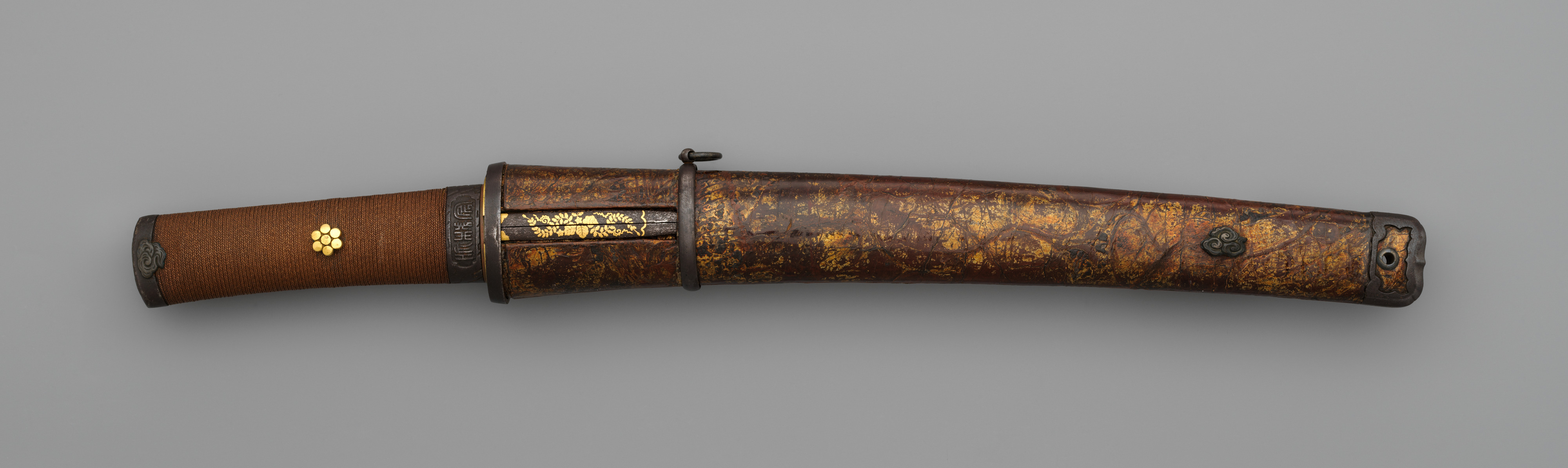
Heritage Analysis: The Japanese Tantō – Symbolic Power, Adornment, and Strategic Luxury Resonance
In the lexicon of global luxury, few artifacts embody the convergence of lethal precision, spiritual depth, and aristocratic status as profoundly as the Japanese tantō. As a short-bladed dagger, the tantō is not merely a weapon; it is a sculptural testament to the intersection of martial necessity and aesthetic philosophy. For Katherine Fashion Lab, a deep heritage analysis of the tantō, specifically its blade and mounting, offers a rich repository of symbolic power, historical adornment, and spiritual meaning. This research positions the tantō as a strategic muse for a 2026 high-end luxury strategy, translating centuries of Japanese craft into modern narratives of exclusivity, resilience, and transcendent beauty.
Symbolic Power: The Dagger as Sovereign Authority and Moral Compass
The tantō’s symbolic weight in Japanese culture transcends its functional role as a stabbing weapon. During the feudal era, the tantō was a constant companion to the samurai class, worn even when the longer katana was forbidden. This proximity to the body endowed the dagger with an intimate, almost talismanic power. It represented the “soul of the samurai” in miniature, a vessel for personal honor, loyalty, and the readiness to act decisively in the face of disgrace. The blade’s hamon (temper line) and hada (grain pattern) were not merely technical achievements; they were visual metaphors for the warrior’s inner strength and moral clarity.
In the context of strategic luxury, this symbolic power translates into a narrative of controlled authority. A 2026 luxury collection inspired by the tantō should not glorify violence but rather channel the dagger’s essence of decisive action, unwavering integrity, and the quiet confidence of one who holds power without needing to brandish it. For Katherine Fashion Lab, this means designing pieces that evoke a sense of “resolute elegance”—garments or accessories that feel both protective and empowering, much like the tantō’s role as a final safeguard of honor.
Historical Adornment: The Mounting as a Canvas of Status and Craft
While the blade itself is a feat of metallurgy, the mounting (koshirae) of the tantō is where historical adornment reaches its zenith. The components—tsuka (hilt), tsuba (guard), fuchi (collar), and kashira (pommel)—were often decorated with shakudō, a copper-gold alloy that yields a deep, lustrous black patina. This material choice was deliberate: shakudō’s subdued sheen suggested wealth without vulgarity, a hallmark of aristocratic taste. The rayskin (samé) wrapping on the hilt provided grip and durability, while lacquer on the scabbard offered both protection and a luminous surface for intricate designs.
Historically, the mounting was a status symbol. Daimyō (feudal lords) commissioned master artisans to create mountings that reflected their clan’s crest, personal virtues, or philosophical allegiances. The copper and horn elements added subtle contrast, often depicting motifs from nature—dragons, waves, cherry blossoms—that carried layered meanings of impermanence, strength, and renewal. This tradition of “functional adornment” is a critical lesson for luxury strategy: the most powerful objects are those that blend utility with artistry, where every visible detail tells a story of provenance and mastery.
Spiritual Meaning: The Dagger as a Bridge Between Worlds
Beyond its martial and aesthetic dimensions, the tantō holds profound spiritual meaning. In Shintō and Buddhist traditions, the blade was considered a “kami” (spirit) in its own right, purified through ritual and believed to repel malevolent forces. The forging process itself was a sacred act, with the smith performing Shintō purification rites before working the steel. The wood used for the scabbard, often magnolia (honoki), was chosen for its resistance to moisture and its neutral scent, ensuring the blade’s spiritual purity was not compromised.
This spiritual dimension offers a potent narrative for modern luxury: the idea of objects as “guardians” or “talismans.” For Katherine Fashion Lab, a 2026 collection could evoke the tantō’s protective essence through materials that feel both sacred and tactile—such as lacquered surfaces that catch light like a shrine’s altar, or shakudō-inspired finishes that suggest a hidden depth. The spiritual meaning also aligns with the growing consumer desire for authenticity and purpose; a luxury piece that carries the symbolic weight of protection and spiritual connection resonates deeply in an era of uncertainty.
2026 High-End Luxury Strategy: Translating Heritage into Contemporary Desire
To leverage the tantō’s heritage for a 2026 luxury strategy, Katherine Fashion Lab must adopt a “curatorial approach” that respects the artifact’s integrity while recontextualizing its elements for modern sensibilities. The following strategic pillars emerge from this analysis:
Material Alchemy and Patina Storytelling
The use of shakudō, samé, and lacquer should inform a new material palette for luxury accessories and garments. Imagine a handbag clasp finished in shakudō-style alloy, its black patina deepening with age—a direct reference to the tantō’s evolving beauty. The “patina as provenance” narrative becomes a key differentiator, positioning each piece as a living artifact that gains character over time. This approach aligns with the 2026 trend toward “slow luxury” and investment pieces that transcend seasonal cycles.
Functional Minimalism with Hidden Opulence
The tantō’s design philosophy—utilitarian form housing exquisite detail—should guide silhouette and construction. For example, a tailored coat could feature horn buttons carved with subtle wave patterns, or a silk scarf could be woven with a rayskin-textured motif that only reveals its complexity upon close inspection. This “stealth wealth” aesthetic appeals to the discerning client who values craftsmanship over logos, a dominant luxury consumer behavior projected for 2026.
Ritual and Experience as Brand Touchpoints
The spiritual dimension of the tantō invites experiential marketing. Katherine Fashion Lab could host “forging ceremonies” for clients, where a master artisan demonstrates the layering of steel (or its textile equivalent) to create a bespoke piece. This ritualized process transforms a purchase into a “rite of passage,” embedding the brand in the client’s personal narrative of protection, strength, and renewal.
Narrative of the “Guardian Collection”
Launch a limited-edition “Guardian Collection” inspired by the tantō’s role as a spiritual protector. Each piece—whether a ring, a belt, or a handbag—would be named after a virtue (e.g., “Resolve,” “Purity,” “Honor”) and include a small, hidden detail, such as a copper-gold alloy insert, that the wearer alone knows. This creates an intimate bond between object and owner, echoing the tantō’s personal, almost sacred connection to its bearer.
Conclusion: The Tantō as a Strategic Archetype
The Japanese tantō is far more than a historical weapon; it is a masterclass in the fusion of symbolic power, historical adornment, and spiritual meaning. For Katherine Fashion Lab, this heritage analysis reveals a blueprint for 2026 luxury that prioritizes authenticity, material intelligence, and emotional resonance. By channeling the tantō’s essence—its quiet authority, its meticulous craft, its protective aura—the brand can create a collection that stands apart in a crowded market. The dagger’s legacy is not one of violence, but of transcendent purpose: to guard, to signify, and to endure. This is the ultimate luxury narrative, one that Katherine Fashion Lab is uniquely positioned to articulate.