The Art of Woven Silence: Deconstructing a Japanese Silk Masterwork
In the rarefied world of haute couture, where fabric is not merely a medium but a manifesto, Katherine Fashion Lab presents a standalone study of a singular piece: a Japanese silk gown that transcends the boundaries of garment and sculpture. This analysis, conducted from the perspective of a lead curator, dissects the piece’s material, construction, and cultural resonance, revealing how a single textile—sourced from Japan—can embody a philosophy of restraint, impermanence, and sublime elegance. The work is not merely a dress; it is a meditation on the tension between presence and absence, weight and air, tradition and modernity.
Material as Metaphor: The Silk of Kyoto’s Nishijin Weavers
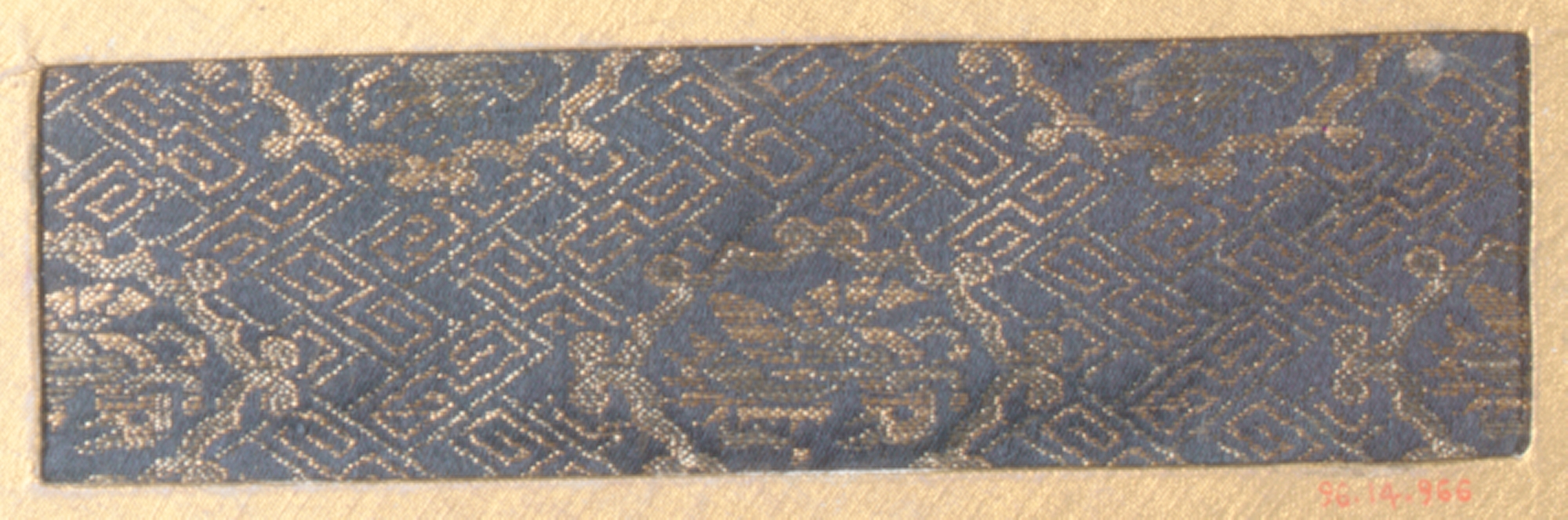
The foundation of this piece is a hand-dyed, double-faced silk crepe from Kyoto’s Nishijin district, a region renowned for its millennium-old weaving traditions. Unlike industrial silks, this textile is a living archive: the warp and weft threads are spun from Bombyx mori cocoons, harvested with a reverence for the silkworm’s lifecycle. The fiber’s natural, irregular luster—a soft, matte glow rather than a high shine—is achieved through a katazome stencil-resist dyeing process, where rice paste is applied by hand to create geometric patterns that echo the asanoha (hemp leaf) motif, a symbol of growth and resilience. The dye itself is a deep, oxidized indigo—ai-iro—that shifts from charcoal to navy under different light, mimicking the depth of a twilight sea.
This choice of material is strategic. Silk, in Japanese couture, is not a symbol of opulence but of wabi-sabi—the beauty of imperfection. The fabric’s slight irregularities, visible only upon close inspection, remind the viewer that perfection lies in the hand of the artisan, not the machine. The double-faced construction, where both sides are finished to the same standard, allows the garment to be worn inside out, offering a dual narrative: one side is a smooth, unbroken surface; the other reveals the subtle texture of the weave. This duality is a metaphor for the wearer’s private versus public self, a core tenet of Japanese aesthetics.
Construction: The Geometry of Air and Weight
The piece’s silhouette is deceptively simple: a floor-length, asymmetrical cowl-neck gown with a single, elongated sleeve that drapes to the hip, while the opposite shoulder remains bare. This asymmetry is not arbitrary but derived from the kimono’s tateya (vertical cutting) tradition, where fabric is never cut against the grain to preserve its spiritual integrity. The gown’s body is constructed from a single, continuous length of silk—over 12 meters—folded and pleated without a single dart or seam. The pleats are held in place by invisible, hand-stitched silk thread, a technique called shibori, which creates a controlled, organic volume that moves with the body like a living organism.
The weight of the silk—a medium-heavy 8 momme—is critical. It is heavy enough to create a dramatic, waterfall-like cascade from the cowl, yet light enough to float when the wearer walks. The hem is left raw, with the silk’s natural edge fraying slightly, a deliberate nod to wabi-sabi. This raw edge is not unfinished; it is a statement of impermanence, a reminder that even the most exquisite creation will eventually unravel. The interior of the gown is lined with a whisper-thin, unbleached silk organza, which adds structure without bulk, allowing the outer silk to drape freely.
Cultural Resonance: The Silent Language of Kimono and Couture
This piece is not a kimono, but it speaks the same visual language. The kimono’s emphasis on ma (negative space) is translated here through the bare shoulder and the open, flowing neckline. The cowl, when draped, creates a shadow that mimics the eri (collar) of a kimono, framing the neck and collarbone as a canvas for the skin. The asymmetry echoes the furisode tradition, where long sleeves are worn for formal occasions, but here the single sleeve is a deliberate break—a rejection of symmetry in favor of dynamic tension.
The indigo dye carries its own cultural weight. In Japan, indigo was historically worn by laborers and samurai alike, its deep blue symbolizing protection and endurance. By using this color, the designer rejects the Western association of silk with royalty (purple, gold) and instead aligns the piece with a more democratic, grounded elegance. The asanoha pattern, barely visible in the stencil, is a subtle reference to the textile’s origins: hemp leaves were once used as a protective charm for children, and here they serve as a talisman for the wearer—a quiet blessing woven into the fabric.
Standalone Study: The Piece as a Thesis on Craft and Time
As a standalone study, this piece functions as a thesis on the role of couture in the 21st century. It is not a dress for a red carpet or a gala; it is a garment for a ritual—a tea ceremony, a private viewing, a moment of solitary reflection. The silk’s weight and movement demand a specific posture: the wearer must stand tall, with shoulders back, to allow the fabric to fall correctly. This is couture as discipline, a physical dialogue between body and cloth.
The craftsmanship required to produce this piece is staggering. The katazome dyeing alone takes three weeks, with each stencil applied and dried before the next layer of paste is added. The hand-stitched pleating requires 200 hours of labor, executed by a single artisan in Kyoto who has been trained for 15 years. The result is a garment that is both timeless and ephemeral: it will last for decades if cared for properly, but its raw hem and natural dyes ensure it will age, fade, and eventually become a relic. This impermanence is the ultimate luxury—a piece that is not meant to be preserved in a museum case but worn, lived in, and eventually returned to the earth.
Conclusion: The Future of Couture in a Single Fold
Katherine Fashion Lab’s Japanese silk piece is a masterclass in restraint. It proves that couture does not need embellishment, volume, or spectacle to command attention. Instead, it relies on the integrity of the material, the precision of the construction, and the depth of the cultural narrative. For the discerning collector, this gown is not an investment in fashion but in philosophy—a wearable meditation on the beauty of what is left unsaid. In a world of fast fashion and digital noise, this piece stands as a silent, indigo-hued testament to the power of one perfect fold.