Deconstructing the Band: A Couture Analysis of Katherine Fashion Lab
Introduction: The Band as a Narrative Device
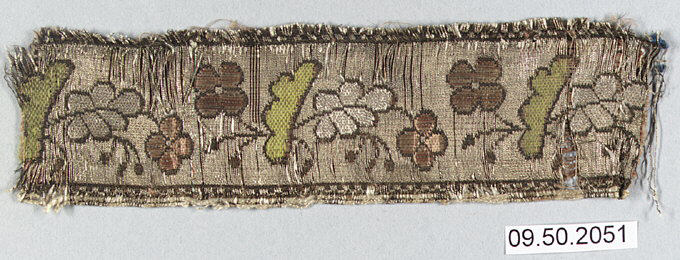
In the rarefied echelons of haute couture, the term “band” often conjures images of a structural element—a waistband, a hemline, or a decorative trim. Yet, within the conceptual framework of Katherine Fashion Lab, the “Band” emerges as a profound narrative device, a materialized metaphor for connection, constraint, and cultural continuity. This standalone study dissects a singular garment—or more precisely, a textile artifact—that embodies the lab’s ethos of global heritage reinterpretation. The subject is a brocaded panel, designed to function as a wearable band, that draws from a transnational lexicon of craftsmanship. Its composition—silk, metal-wrapped thread, and linen—is not merely a list of materials but a deliberate statement on the interplay between opulence and austerity, tradition and innovation. This analysis will explore how Katherine Fashion Lab elevates the humble band into a couture statement, weaving a narrative of global heritage through texture, technique, and texture.
Materiality and Global Heritage: Silk, Metal, and Linen
The choice of materials in this band is a masterclass in symbolic and tactile storytelling. Silk, the quintessential luxury fiber, carries a heritage that spans from ancient Chinese sericulture to the Byzantine courts. Its luminous, fluid quality evokes a sense of imperial grandeur and delicate femininity. In this context, silk serves as the foundational warp and weft, providing a supple, almost liquid base that contrasts with the structural rigidity of the band’s intended form. The metal-wrapped thread, likely a fine filament of silver or gold gilded around a silk or polyester core, introduces a dimension of opulence and durability. Historically, metal threads were reserved for ecclesiastical vestments and royal regalia, signifying divine or temporal power. Here, Katherine Fashion Lab repurposes this material to create a brocaded pattern that shimmers with an ethereal, almost kinetic quality—catching light like a medieval reliquary. The inclusion of linen is the most provocative choice. Linen, derived from the flax plant, is associated with humility, utility, and agrarian traditions—from Egyptian mummy wrappings to Irish peasant shirts. Its presence in a couture band disrupts the expected hierarchy of luxury, grounding the piece in a tactile, earthy reality. The plain weave structure, executed with these three disparate fibers, creates a fabric that is at once refined and rustic, a dialogue between the sacred and the secular.
Technique: Plain Weave and Brocaded Complexity
The technical execution of this band is a study in controlled contradiction. The plain weave—the simplest interlacing of warp and weft—provides a neutral, unadorned backdrop. This base is intentionally restrained, allowing the brocaded elements to emerge with dramatic emphasis. Brocading is a supplementary weft technique where additional threads, often metallic or colored, are woven into the fabric to create raised, patterned motifs. In this piece, the brocading is not continuous; it appears in isolated, rhythmic clusters, suggesting the visual cadence of a musical band or a series of ceremonial ribbons. The pattern itself—abstracted floral or geometric forms—references global motifs: the arabesques of Islamic art, the interlocking circles of Celtic design, and the asymmetric scrolls of East Asian textiles. This is not a pastiche but a synthesis, a deliberate blending that honors each tradition without subordinating one to another. The lab’s mastery lies in the precision of the brocading; each metallic thread is locked into the linen-silk ground with millimeter accuracy, ensuring that the band retains flexibility while achieving a sculptural, almost architectural presence.
Structural and Conceptual Function: The Band as Boundary and Bridge
In its standalone study, this band defies easy categorization. It is neither a garment nor a mere accessory; it is a structural intervention designed to be worn across the body—perhaps as a sash, a collar, or a waist-cinching element. Its function is dual: it both constrains and liberates. The band’s physicality—its width, its weight, its metallic stiffness—creates a boundary that defines the wearer’s silhouette, echoing the historical use of corsets and girdles in shaping the female form. Yet, the choice of materials and the global heritage embedded in its weave suggest a liberation from cultural singularity. The band becomes a bridge between disparate geographies, a wearable artifact that transcends national borders. This aligns with Katherine Fashion Lab’s broader mission to deconstruct and recontextualize heritage, using fashion as a medium for cross-cultural dialogue. The band does not merely adorn; it narrates a story of trade routes, colonial exchanges, and artistic migrations. It asks the wearer and viewer to consider how materials and motifs travel, how they are reinterpreted, and how they acquire new meanings in new contexts.
Texture and Light: The Sensory Experience
A couture analysis would be incomplete without addressing the sensory dimension. The interplay of silk, metal, and linen creates a rich textural landscape. The silk offers a smooth, cool touch, while the linen introduces a slight, dry roughness—a contrast that is both jarring and harmonious. The metal-wrapped threads, when touched, feel rigid and cool, almost cold, against the skin. This tactile dissonance mirrors the conceptual tension between luxury and humility. Visually, the brocaded motifs catch and reflect light differently depending on the angle, creating a shimmering, moiré effect that seems to animate the fabric. The linen ground, by contrast, absorbs light, grounding the piece in a matte, understated elegance. This dynamic between reflection and absorption, between the shiny and the matte, is a hallmark of Katherine Fashion Lab’s design philosophy: the band is not a static object but a living, responsive entity that changes with the viewer’s perspective and the wearer’s movement.
Conclusion: A Tapestry of Global Heritage
In this standalone study, Katherine Fashion Lab’s band transcends its literal function to become a tapestry of global heritage. The combination of silk, metal-wrapped thread, and linen, executed through plain weave and brocading, is not a random selection but a deliberate curation of materials that speak to centuries of cultural exchange. The band’s design—both structural and symbolic—invites a reconsideration of what couture can be: not merely a garment of luxury, but a vehicle for narrative, a repository of history, and a catalyst for dialogue. As the fashion industry grapples with issues of cultural appropriation versus appreciation, this piece offers a model of thoughtful synthesis, where heritage is not borrowed but honored through meticulous craftsmanship. The band, in its final form, is a testament to the power of textiles to connect us to our past while propelling us toward a more inclusive, globally conscious future. It is, in essence, a wearable argument for the beauty of hybridity—a band that binds not just the body, but the world.