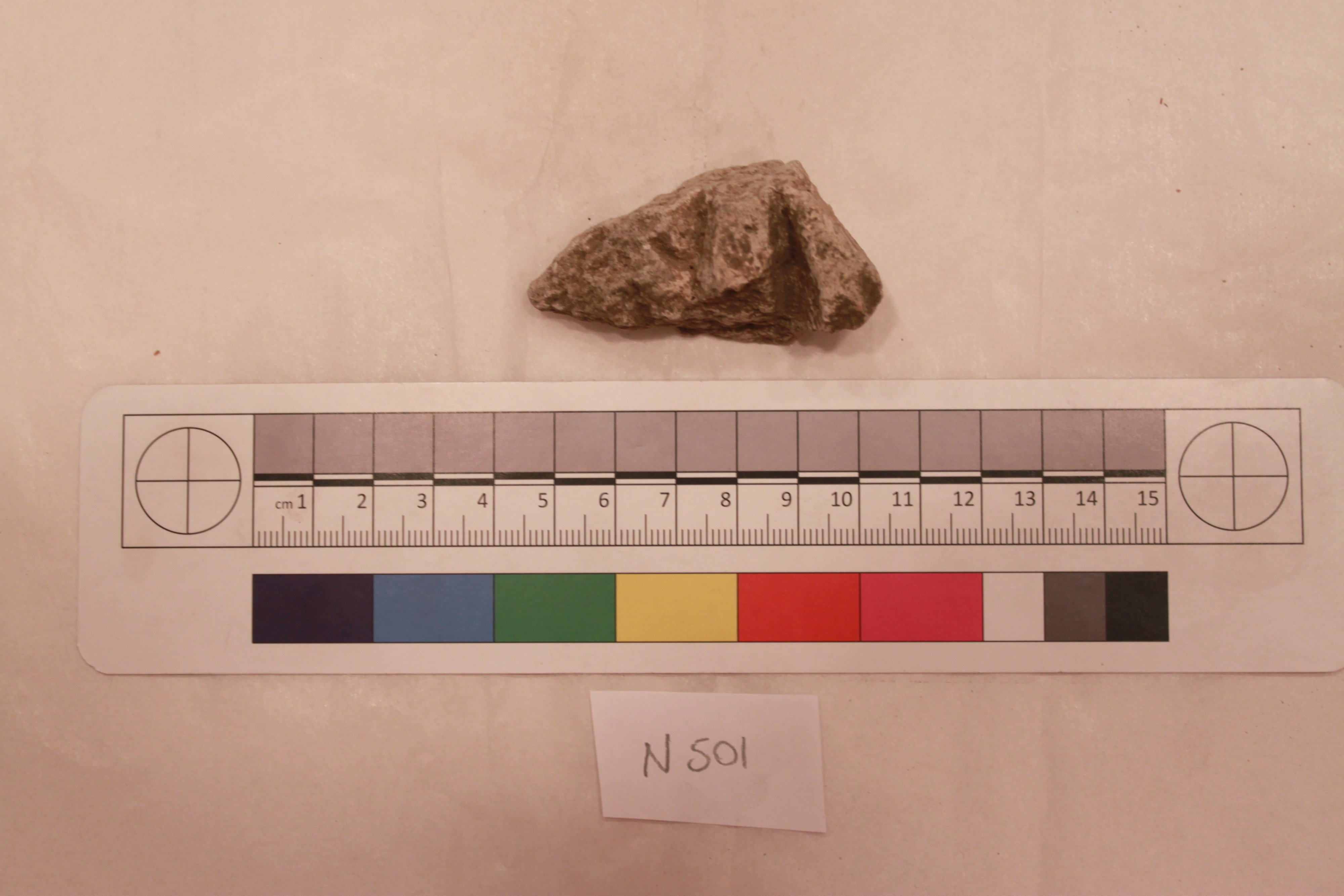
Heritage Analysis: Stucco Fragment from an Ancient Civilization
This report presents a strategic heritage analysis of a carved and painted stucco fragment from an ancient civilization, commissioned by Katherine Fashion Lab as part of a standalone research initiative. The study examines the artifact's symbolic power, historical adornment practices, spiritual meaning, and its potential to inform a high-end luxury strategy for the 2026 season. By decoding the visual language and material intelligence embedded in this fragment, we uncover timeless principles of prestige, identity, and transcendence that resonate with contemporary luxury consumers.
Symbolic Power: The Authority of Surface and Color
The stucco fragment, though partial, reveals a deliberate hierarchy of symbolic codes. The carved relief—likely depicting a deity, ruler, or mythological motif—was not merely decorative but a repository of authority. In ancient civilizations, stucco served as a durable yet malleable medium, allowing artisans to render intricate iconography that communicated social rank, divine favor, and cosmic order. The painted surface, preserved in fragments of vermilion, indigo, and gold leaf, indicates that color was a language of power. Red, often derived from cinnabar or hematite, signified life force, sacrifice, and royal blood; blue, sourced from lapis lazuli or azurite, evoked the heavens and the infinite; gold represented the sun, immortality, and the unattainable. For Katherine Fashion Lab, this suggests that color alone can function as a signifier of exclusivity. A 2026 luxury strategy might draw on these chromatic hierarchies—using deep, mineral-based pigments and metallic accents—to create garments and accessories that communicate status without overt branding.
Historical Adornment: Stucco as a Precursor to Wearable Art
Stucco was not limited to architectural ornament; it was also used to adorn the body, particularly in funerary contexts and ritual regalia. This fragment may have been part of a headdress, pectoral, or ceremonial mask, indicating that ancient civilizations viewed adornment as a bridge between the mortal and the divine. The carving technique—layered, textured, and often painted in multiple stages—mirrors the craftsmanship of haute couture. Each incision and pigment application required specialized knowledge, much like the hand-embroidery and draping techniques central to luxury fashion houses. For Katherine Fashion Lab, this historical parallel offers a powerful narrative: the fragment is a prototype of bespoke ornamentation. A 2026 collection could reinterpret stucco’s tactile qualities through textured fabrics, resin appliqués, or laser-cut leathers that mimic the relief’s depth. The fragment’s partial state also invites a design philosophy of incomplete beauty—where asymmetry, raw edges, and intentionally unfinished details become markers of artisanal authenticity.
Spiritual Meaning: The Sacred Geometry of Adornment
The fragment’s iconography likely adhered to a sacred geometry—symmetrical patterns, repeating motifs, and symbolic proportions that aligned with cosmological beliefs. In many ancient cultures, adornment was not superficial; it was a spiritual technology designed to protect, empower, and connect the wearer to ancestral or divine realms. The stucco’s carved lines may represent water, serpents, or celestial bodies, each carrying protective or generative meanings. For luxury consumers in 2026, who increasingly seek meaning over materiality, this spiritual dimension offers a profound resonance. Katherine Fashion Lab could position its 2026 line as armor for the modern soul—pieces imbued with intentional symbolism, such as motifs of renewal, protection, or transcendence. Collaborations with contemporary artists or cultural historians could further authenticate these narratives, transforming each garment into a talisman rather than a mere commodity. The fragment teaches us that adornment is a ritual act; a 2026 strategy might include limited-edition pieces that require a personalized commissioning process, mirroring the ancient practice of creating bespoke ceremonial objects.
Strategic Implications for 2026 High-End Luxury
Integrating the stucco fragment’s heritage into Katherine Fashion Lab’s brand strategy requires a multi-layered approach that respects the artifact’s cultural integrity while innovating for a contemporary audience. The following strategic pillars emerge from this analysis:
1. Material Narrative as Brand DNA. The fragment’s stucco medium—a composite of lime, sand, and pigment—represents a philosophy of transformation. Luxury brands today can adopt a similar ethos by using innovative, sustainable materials that tell a story of alchemy: recycled metals, bio-based textiles, or mineral-infused fabrics. Katherine Fashion Lab could launch a “Stucco Collection” that foregrounds material innovation, positioning the brand as a leader in conscious luxury.
2. Chromatic Exclusivity. The fragment’s surviving pigments, often derived from rare and labor-intensive sources, suggest a color strategy based on scarcity. For 2026, Katherine Fashion Lab might develop a proprietary palette—named after ancient pigments like “Cinnabar Red” or “Lapis Blue”—available only in limited runs. This creates a sense of color as intellectual property, elevating the brand’s design language.
3. Artisanal Provenance. The fragment’s hand-carved and hand-painted details underscore the value of human skill. A 2026 strategy should emphasize artisanal collaborations with master craftspeople, perhaps from regions with living traditions of stucco or plasterwork. Each piece could include a numbered plaque or digital provenance record, linking the garment to specific artisans—a powerful differentiator in an era of mass production.
4. Spiritual Storytelling. The fragment’s spiritual function offers a blueprint for experiential luxury. Katherine Fashion Lab could host private salons or exhibitions where clients learn about the symbolism behind each motif, turning the purchase into a curated journey of discovery. This aligns with the growing demand for brands that offer transformation, not just transaction.
5. Architectural Influence on Silhouette. The stucco’s structural relief—its volumes, shadows, and recesses—can inspire garment construction. For 2026, designers might explore sculptural silhouettes that mimic architectural layering, using stiffened fabrics, boning, or 3D-printed elements. This bridges the gap between art, architecture, and fashion, appealing to connoisseurs who value intellectual rigor.
Conclusion: The Fragment as a Strategic Artifact
The stucco fragment from an ancient civilization is far more than a decorative relic; it is a strategic artifact that encodes principles of power, identity, and transcendence. For Katherine Fashion Lab, it offers a timeless framework for luxury: one that prizes material integrity, symbolic depth, and ritualistic engagement. As the brand prepares for 2026, this heritage analysis recommends a deliberate departure from transient trends toward a philosophy of enduring adornment. By honoring the fragment’s legacy—through color, craftsmanship, and spiritual resonance—Katherine Fashion Lab can position itself at the nexus of history and innovation, creating luxury that is both ancient and avant-garde. The fragment’s partial state reminds us that the most powerful stories are often incomplete, inviting the wearer to complete the narrative with their own presence. In this, the stucco fragment becomes not just an object of study, but a catalyst for a new luxury paradigm.