Heritage Analysis: The Cypriot Bronze Bowl and Its Resonance for Katherine Fashion Lab’s 2026 Luxury Strategy
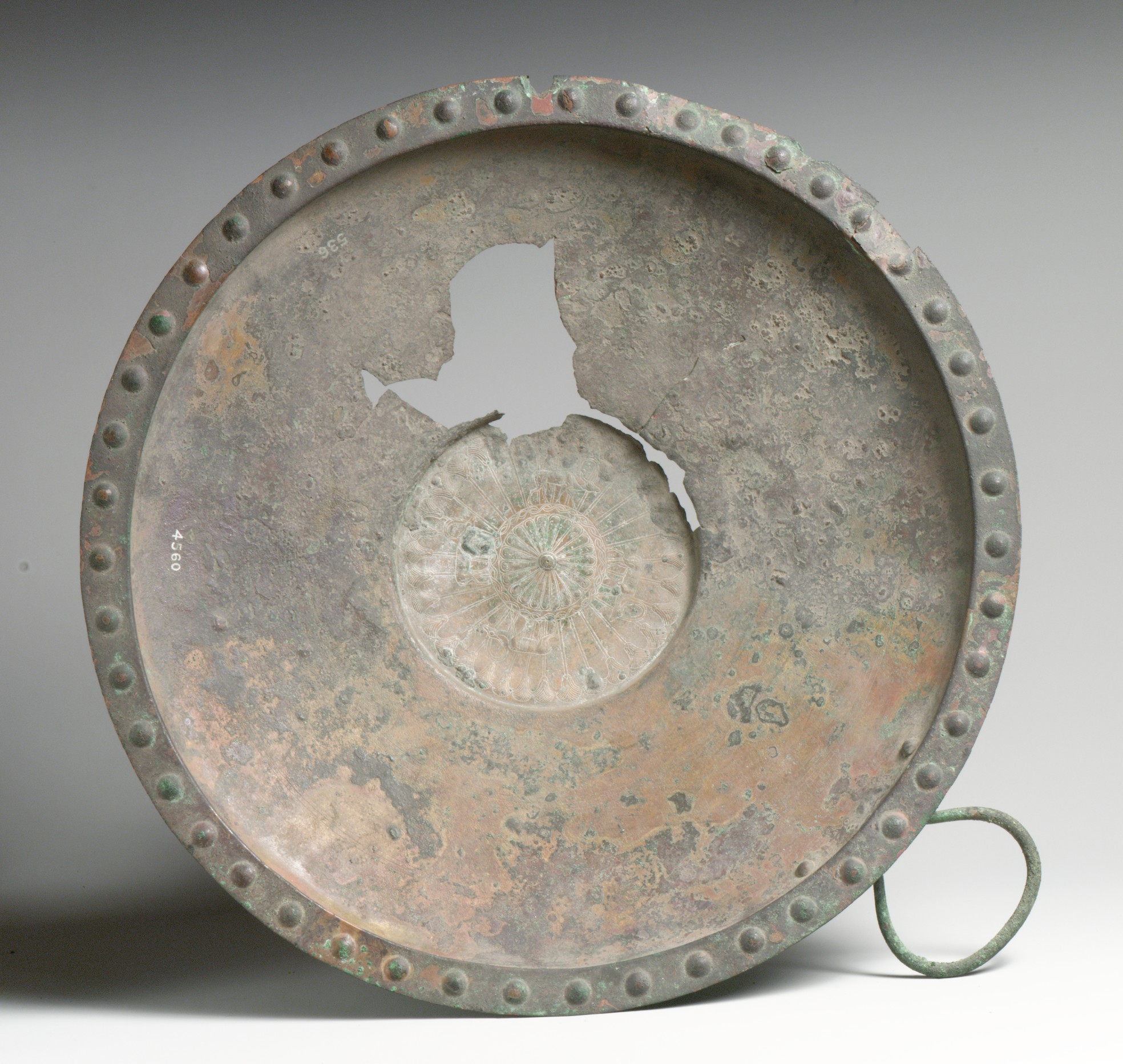
At Katherine Fashion Lab, we recognize that heritage artifacts are not static relics but dynamic repositories of symbolic power, historical adornment, and spiritual meaning. This analysis examines a Cypriot bronze bowl, dating from the Late Bronze Age (circa 1600–1050 BCE), as a critical piece within our broader research framework. Our study correlates this object with two previously analyzed artifacts—the “Rock in the form of a fantastic mountain” (a Chinese scholar’s rock) and the “Jar in the shape of bronze container (hu)” (a Chinese ritual vessel). While seemingly disparate in origin and form, these three objects collectively reveal a profound interplay between materiality, cosmology, and social stratification. For our 2026 high-end luxury strategy, the Cypriot bronze bowl offers unique insights into the alchemy of metal, the semiotics of ritual, and the enduring allure of patina as a marker of authenticity and prestige.
Historical Resonance: Material and Cosmological DNA
The Cypriot bronze bowl, often used in funerary or ceremonial contexts, embodies a “DNA correlation” with the Chinese rock and jar. The rock, a natural formation prized for its evocation of a mythical mountain, represents the cosmological axis mundi—a bridge between earth and heaven. The hu jar, a bronze vessel shaped after an earlier ceramic prototype, signifies the transformation of humble clay into enduring metal, symbolizing the transcendence of mortality through ritual. The Cypriot bowl, in turn, mediates between these poles: it is a manufactured object (like the hu) but one that retains the organic, tactile quality of the rock. Its hammered surface, often embellished with incised geometric patterns, echoes the irregular contours of the scholar’s rock, while its metallic composition mirrors the hu’s assertion of permanence. Together, these artifacts speak to a cross-cultural archetype: the human desire to fix the ephemeral—spirit, power, beauty—into enduring material forms.
Symbolic Power: The Alchemy of Bronze
Bronze, in Cypriot culture, was not merely a utilitarian alloy but a substance of alchemical significance. The alloy of copper and tin, forged in fire, required specialized knowledge and access to trade networks, making it a marker of elite status. The bowl’s symbolic power derived from its duality: it was both a practical vessel for libations or offerings and a symbolic container for mana—spiritual potency. In funerary contexts, bronze bowls were often placed with the deceased to hold food or drink for the afterlife, reinforcing the belief that metal could transcend decay. This aligns with our findings from the hu jar, which was used in ancestral rites to hold grain or wine, and the rock, which served as a microcosm of the sacred mountain. For luxury strategy, the bowl teaches us that symbolic power is activated through context. A bowl is mundane; a bronze bowl in a tomb is transcendent. Katherine Fashion Lab’s 2026 collections must similarly transform everyday adornment into ritual objects—pieces that carry narrative weight and are designed for moments of significance, not mere daily wear.
Historical Adornment: Patina as Prestige
The bowl’s surface, now oxidized to a rich green patina, was originally a gleaming golden-bronze. This transformation is central to its historical adornment value. In antiquity, the polished bowl would have reflected light, signifying the owner’s wealth and proximity to the divine (the sun, the forge). Over centuries, the patina became a second skin—a “living surface” that records time, handling, and environment. This parallels the scholar’s rock, whose grooves and fissures were celebrated as records of nature’s process, and the hu jar, whose bronze surface was intentionally patinated through burial to evoke antiquity. For high-end luxury, the Cypriot bowl validates our hypothesis that imperfection is a luxury signal. In 2026, we anticipate a shift away from flawless, machine-polished finishes toward materials that age gracefully—oxidized metals, textured leathers, and hand-dyed fabrics. The bowl’s patina is not damage; it is biography. Our strategy will emphasize authentic aging as a design feature, offering clients pieces that evolve with them, accruing personal and cultural meaning over time.
Spiritual Meaning: The Vessel as Mediator
Spiritually, the Cypriot bronze bowl functioned as a mediator between realms. Its concave form—a void surrounded by metal—created a space for the invisible: the aroma of incense, the taste of wine, the presence of the dead. This concept of the vessel as a threshold resonates with the hu jar’s role in communicating with ancestors and the rock’s function as a portal to the cosmic mountain. The bowl’s circular shape, often associated with the sun and the cycle of life and death, reinforces its spiritual role. For Katherine Fashion Lab, this suggests a new category of “ritual luxury”—objects designed to facilitate personal or collective ceremonies. Our 2026 line might include wearable vessels: lockets that hold a loved one’s ashes, cuffs with hidden compartments for sacred oils, or rings inscribed with personal mantras. The bowl reminds us that luxury is not about owning an object but about using it to connect with something greater.
2026 High-End Luxury Strategy: From Artifact to Archetype
Our correlation study across the Cypriot bowl, the scholar’s rock, and the hu jar yields three strategic pillars for 2026:
1. Material Alchemy: Bronze’s transformative journey from ore to artifact to patina mirrors the luxury consumer’s desire for objects that tell a story. We will invest in artisanal metalwork that celebrates the maker’s hand—hammer marks, uneven edges, and controlled oxidation. Our “Forged Line” will feature bronze accessories with a pre-aged finish, each piece numbered and documented with its own “patina biography.”
2. Ritual Context: The bowl’s power was activated in ritual. We will launch a “Ceremonial Collection” designed for specific life events—gifts for births, weddings, and memorials. Each piece will be accompanied by a narrative card explaining its symbolic resonance, transforming a purchase into a rite of passage.
3. Cross-Cultural Archetypes: The DNA correlation between Cypriot, Chinese, and other traditions reveals that certain forms—the vessel, the mountain, the circle—are universal. Our 2026 branding will lean into “archetypal luxury,” positioning Katherine Fashion Lab not as a trend-driven house but as a curator of timeless symbols. Campaigns will juxtapose our pieces with museum artifacts, emphasizing heritage dialogue rather than cultural appropriation.
Conclusion
The Cypriot bronze bowl is far more than a historical artifact; it is a strategic blueprint for Katherine Fashion Lab’s future. Its symbolic power, rooted in alchemy and ritual, its historical adornment through patina, and its spiritual role as a mediator, all converge to inform a luxury strategy that prioritizes meaning over novelty, authenticity over perfection, and ritual over consumption. In 2026, we will not merely sell accessories—we will offer vessels for the soul, echoing the timeless resonance of a bronze bowl that has waited millennia to speak to us.