The Heirloom Paradox: Silk, Metal, and Velvet in a Global Heritage Context
Materiality as Narrative: The Fabric of Legacy
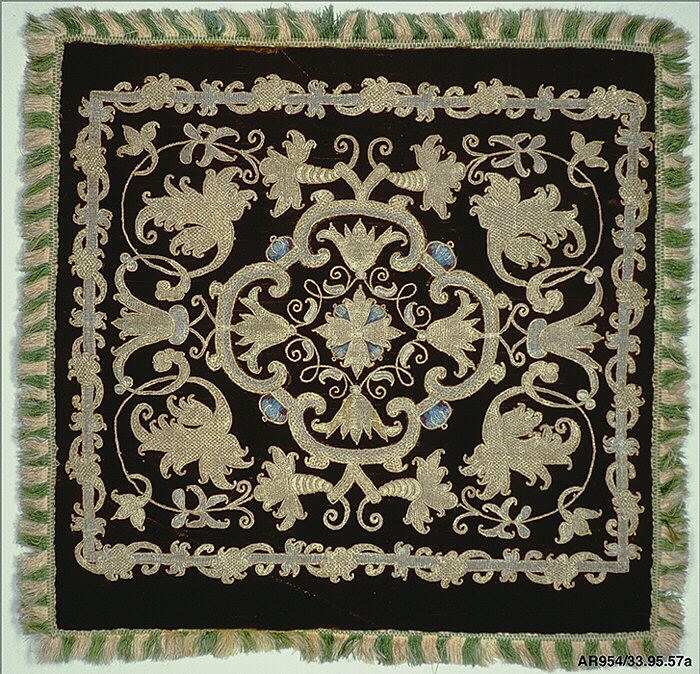
In the rarefied domain of haute couture, material selection is not merely a technical decision but a profound act of storytelling. Katherine Fashion Lab’s standalone study of an apparel piece—constructed from silk and metal thread on velvet—invites a rigorous interrogation of how global heritage can be woven into contemporary form. This garment, a study in contrasts, is not a costume nor a museum relic; it is a living artifact that negotiates between the tactile memory of ancestral craftsmanship and the forward momentum of modern design. The velvet, a fabric historically associated with royalty and ecclesiastical power, serves as the foundation. Its plush, light-absorbing surface creates a depth that is almost architectural, while the silk—luminous, fluid—introduces a counterpoint of ethereal lightness. The metal thread, often gold or silver-plated, is the disruptive element: rigid, reflective, and historically tied to ceremonial regalia across cultures, from Byzantine iconography to Mughal courtly attire. Together, these materials do not merely coexist; they create a dialectic between opulence and restraint, tradition and innovation.
Deconstructing the Global Heritage Matrix
The term “global heritage” in this context demands a nuanced reading. It is not a homogenized aesthetic but a deliberate curation of influences that transcend geography and time. Katherine Fashion Lab’s approach avoids the pitfalls of cultural appropriation by treating heritage as a lexicon of techniques rather than a set of motifs. The silk and metal thread on velvet recalls the zardozi embroidery of South Asia, where metallic threads are painstakingly couched onto rich fabrics to create three-dimensional ornamentation. Yet the garment does not replicate a traditional ghagra or sherwani; instead, it reinterprets the technique through a minimalist, sculptural silhouette that echoes the clean lines of mid-century European couture. Similarly, the velvet’s deep crimson—a color associated with both Chinese imperial courts and Venetian Renaissance painting—is used not as a symbol of power but as a backdrop for the metal thread’s abstract geometric patterns. This is heritage as a palette of possibilities, not a prescription. The garment becomes a cartography of global exchange, where the Silk Road, the Spice Route, and the transatlantic trade networks are referenced not through literal imagery but through the very physics of the materials: how silk catches light, how metal resists draping, how velvet absorbs shadow.
The Couture Logic of Material Tension
From a technical standpoint, the combination of silk and metal thread on velvet presents a series of deliberate tensions that define the garment’s structural and aesthetic logic. Velvet, with its pile, is notoriously difficult to embroider with metal threads, as the needle must penetrate the nap without crushing it. The metal thread, often wound around a core of silk or cotton, is inherently less pliable than pure silk, requiring the embroiderer to work with a controlled rigidity. This resistance becomes a design feature: the metal thread does not follow the velvet’s natural drape but instead creates independent, almost architectural lines that fracture the fabric’s flow. The result is a garment that appears to be in a state of dynamic equilibrium—soft yet armored, fluid yet structured. This is couture as material articulation, where the hand of the artisan is visible in every stitch. The metal thread’s reflective quality introduces a temporal dimension: as the wearer moves, the light shifts across the surface, revealing hidden patterns and creating a sense of constant transformation. This is not a static object but a kinetic experience, one that engages the viewer in a dialogue about time, labor, and value.
Contextualizing the Standalone Study
To analyze this piece as a “standalone study” is to remove it from the commercial pressures of a seasonal collection and position it as a research artifact. This context liberates the garment from the constraints of marketability and allows for a deeper exploration of its conceptual underpinnings. The absence of a broader narrative—no runway show, no editorial campaign—forces the viewer to engage with the object on its own terms. The silk and metal thread on velvet becomes a primary text, not an illustration of a theme. This is particularly relevant in an era where fashion is often reduced to viral imagery. Here, the garment demands a slow, almost archaeological gaze. The metal thread’s oxidized patina, the slight unevenness of the velvet’s pile, the way the silk has been hand-dyed to create subtle gradations—these are not imperfections but evidence of process. The standalone study privileges the maker’s hand over the photographer’s lens, inviting a reconsideration of what constitutes luxury in a digital age. It is a quiet assertion that couture’s highest value lies not in spectacle but in the intimacy of material knowledge.
Conclusion: The Future of Heritage in Apparel
Katherine Fashion Lab’s study of silk and metal thread on velvet offers a compelling model for how global heritage can be reimagined without being diluted. By foregrounding materiality over motif, the garment avoids the pitfalls of nostalgic revivalism. Instead, it proposes a heritage of technique—a respect for the labor and knowledge embedded in traditional craftsmanship, applied to forms that speak to contemporary sensibilities. The velvet, silk, and metal are not merely decorative; they are arguments for a slower, more deliberate mode of creation. In an industry often defined by speed and disposability, this piece stands as a counterpoint: a testament to the enduring power of materials to carry meaning across centuries and continents. For the discerning observer, it is a reminder that true couture is never just about clothing the body—it is about clothing the idea of what it means to inherit, to transform, and to create anew.